- Call : +91 9540210956
- Email: [email protected]
- Artemis Hospital Sector 51 Gurgaon
- 09Am - 5Pm


Preparing for Lung Surgery: A Patient Checklist
- Home
- Blog Details

Being told that you need lung surgery brings practical questions very quickly. What tests are still needed? How painful will recovery be? How long will I be in hospital? When can I walk normally again? These are sensible questions, and preparing well makes the entire process less overwhelming.
The plan will vary according to the reason for surgery, the part of the lung involved, your lung function, and whether the operation is performed through keyhole surgery or an open incision. Your own surgical team’s instructions take priority. This guide helps you understand the usual preparation and the questions worth asking before admission.
Know Why Surgery Is Being Recommended
Ask your surgeon to explain the goal of the operation in plain language. It may be to remove a cancer, diagnose a suspicious lesion, treat repeated collapse of a lung, remove an infection, or manage another chest condition. Ask what part of the lung is planned for removal and whether the procedure will be robotic, VATS, or open surgery.
Minimally invasive surgery uses small incisions and a camera. It can mean less pain and a faster recovery for suitable patients, but not every operation can be completed this way. Occasionally a surgeon must change to an open approach during the operation for safety. Knowing that possibility beforehand is important.
Why Pre-operative Tests Matter
Blood tests, ECG, imaging, and breathing tests help the team understand how safely you can undergo surgery and how much lung tissue you are likely to tolerate losing. Some people also need cardiac assessment, diabetes management, nutritional support, or input from an anaesthetist before the final plan is confirmed.
These tests are not a delay for the sake of paperwork. They allow the team to reduce avoidable risks and choose the safest operation for your situation.
Review Every Medicine Before Admission
Bring a written list of every prescription medicine, inhaler, injection, vitamin, herbal supplement, and over-the-counter product. Blood thinners, diabetes medicines, steroids, and some supplements often need individual instructions before surgery. Do not stop anything on your own. Ask the team what to take on the morning of surgery and what should be paused.
Tell the team about allergies, previous anaesthetic problems, sleep apnoea, dentures, loose teeth, and any history of bleeding or blood clots. Small details can make a real difference to safe planning.
Smoking, Exercise, and Nutrition
Stopping smoking is one of the most helpful steps before any chest operation. It improves airway function and supports healing. Even if surgery is close, it is worth asking for help to stop. If you have been advised to do breathing exercises, walk regularly, or attend pulmonary rehabilitation, treat that as part of the treatment rather than an optional extra.
Eat regular meals, maintain hydration, and tell the team if you have lost weight or have difficulty eating. Recovery places demands on the body, and nutrition matters.
Prepare Your Home Before You Go to Hospital
- Arrange transport home and a responsible adult to stay available after discharge.
- Prepare easy meals and keep daily essentials within easy reach.
- Plan for help with shopping, stairs, children, pets, or heavy household tasks.
- Keep hospital numbers, discharge papers, and follow-up dates in one place.
- Pack comfortable loose clothing, supportive footwear, glasses, hearing aids, and chargers.
What Usually Happens After the Operation
Most patients wake in a recovery area before moving to a ward. Pain control, breathing exercises, coughing with support, and early gentle walking are central parts of recovery. You may have a chest drain for a few days. It removes air or fluid while the lung re-expands and is usually removed once the team is satisfied with the drainage and chest X-ray.
It is normal to feel tired and sore. It is not helpful to tolerate severe pain silently. Pain that prevents deep breathing or walking should be reported so the plan can be adjusted.
Questions to Ask Before You Sign Consent
- What operation are you recommending, and what are the alternatives?
- What are the specific risks in my case?
- How long might I be in hospital?
- Will I have a chest drain, and when is it usually removed?
- What symptoms after discharge should make me call the hospital urgently?
- When can I bathe, drive, lift weight, return to work, and travel?
Final Thoughts
Good preparation is not about controlling every detail. It is about understanding the plan, following the instructions designed for you, and arranging practical support before you need it. The first weeks of recovery require patience, but most progress comes from small consistent steps such as breathing exercises, walking, eating well, and keeping follow-up appointments.
How the Family Can Help
A family member can make a real difference by attending the pre-operative visit, writing down instructions, and helping organise the first few days at home. It is useful to agree in advance who will collect medicines, prepare meals, help with travel, and contact the hospital if there is a concern. This allows the patient to focus on recovery rather than practical problems.
At the same time, recovery should not become complete bed rest. The surgical team will usually encourage short, regular walks and breathing exercises because these reduce stiffness, help clear secretions, and support lung expansion. The exact pace should follow the advice given at discharge.
What a Good Discharge Plan Looks Like
Before leaving hospital, you should know how to care for the wound, how to take pain medicines safely, when the next X-ray or clinic review is planned, and which symptoms need a call to the team. Ask for this in writing if possible. It is much easier to follow a recovery plan at home when everyone understands what is expected and what is not.
Every operation has its own recovery curve. Comparing yourself with another patient is rarely helpful. The appropriate benchmark is steady progress with the follow-up plan your own team has set.

Dr. Parveen Yadav
18+ Yrs Exp | 5,700+ Thoracic & Robotic Cancer Surgeries
Dr. Parveen Yadav is a Director and Senior Consultant in Thoracic and Surgical Oncology, specializing in minimally invasive and robotic lung and esophageal surgeries, with advanced training from AIIMS and Tata Memorial Hospital.
View Full ProfileRecent Posts
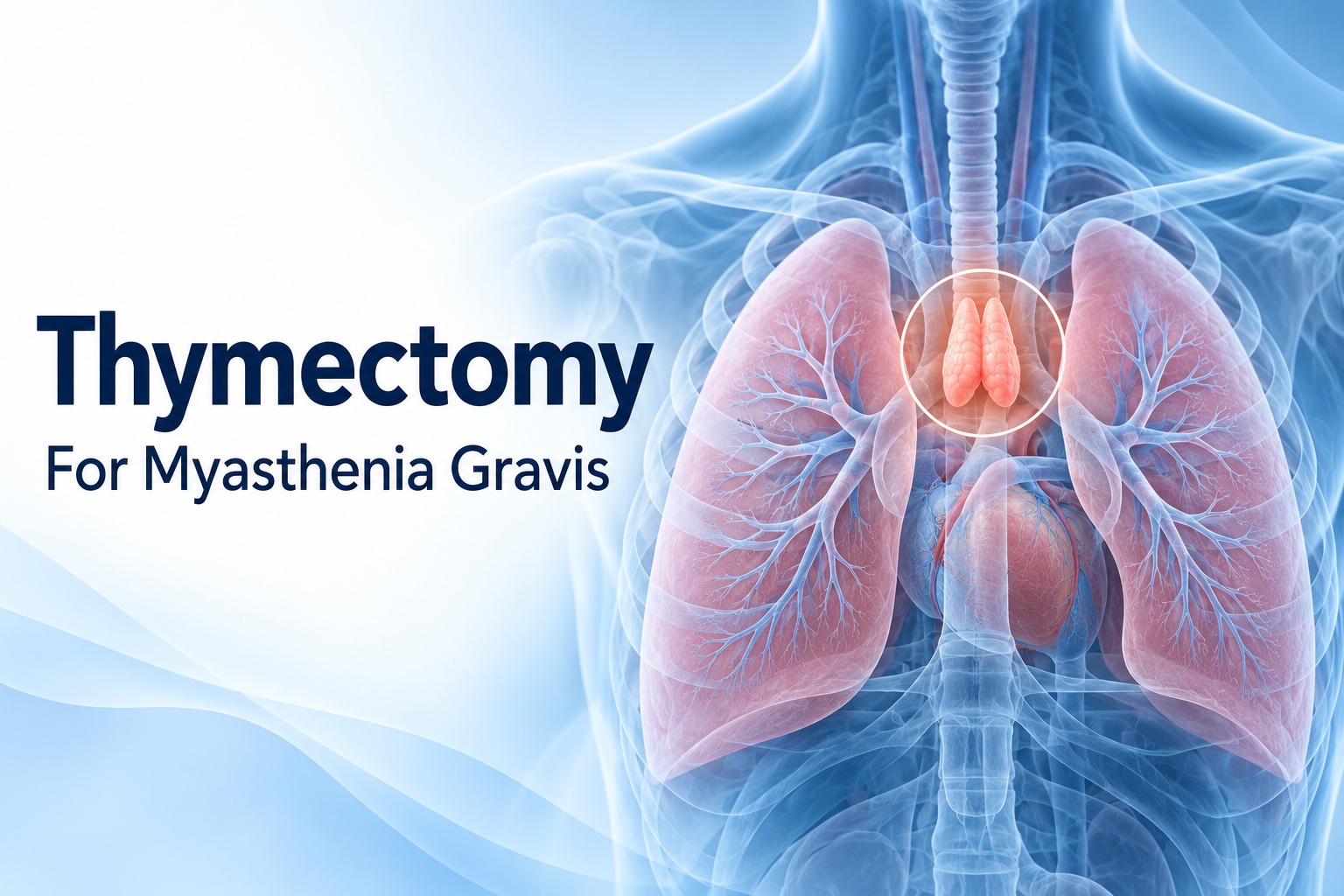
Thymectomy for Myasthenia Gravis: Who Benefits, Surgery and Recovery
- Dr. Parveen Yadav
- Oct 25, 2026
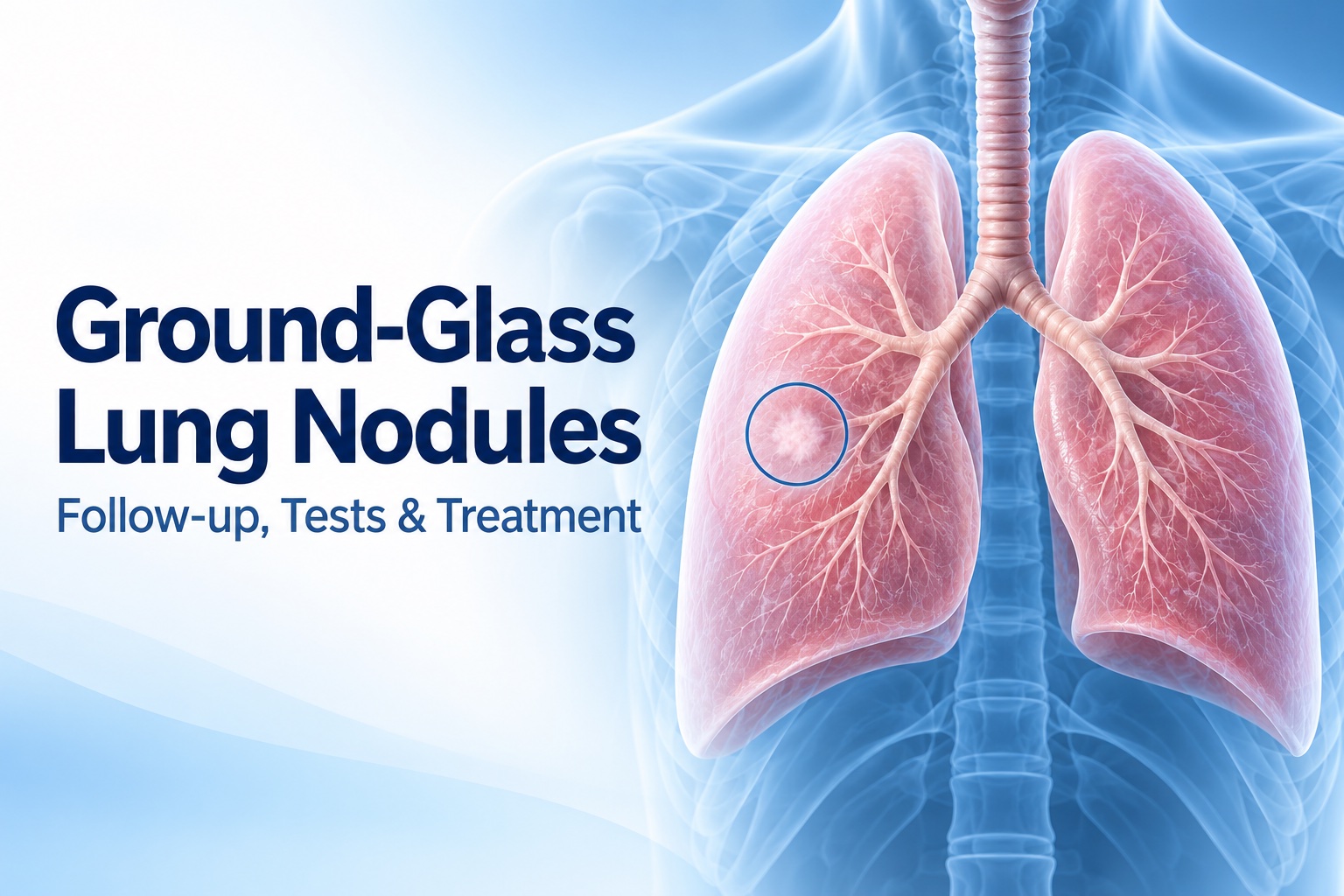
Ground-Glass Lung Nodules: Follow-Up, Cancer Risk and When Surgery Is Needed
- Dr. Parveen Yadav
- Oct 21, 2026
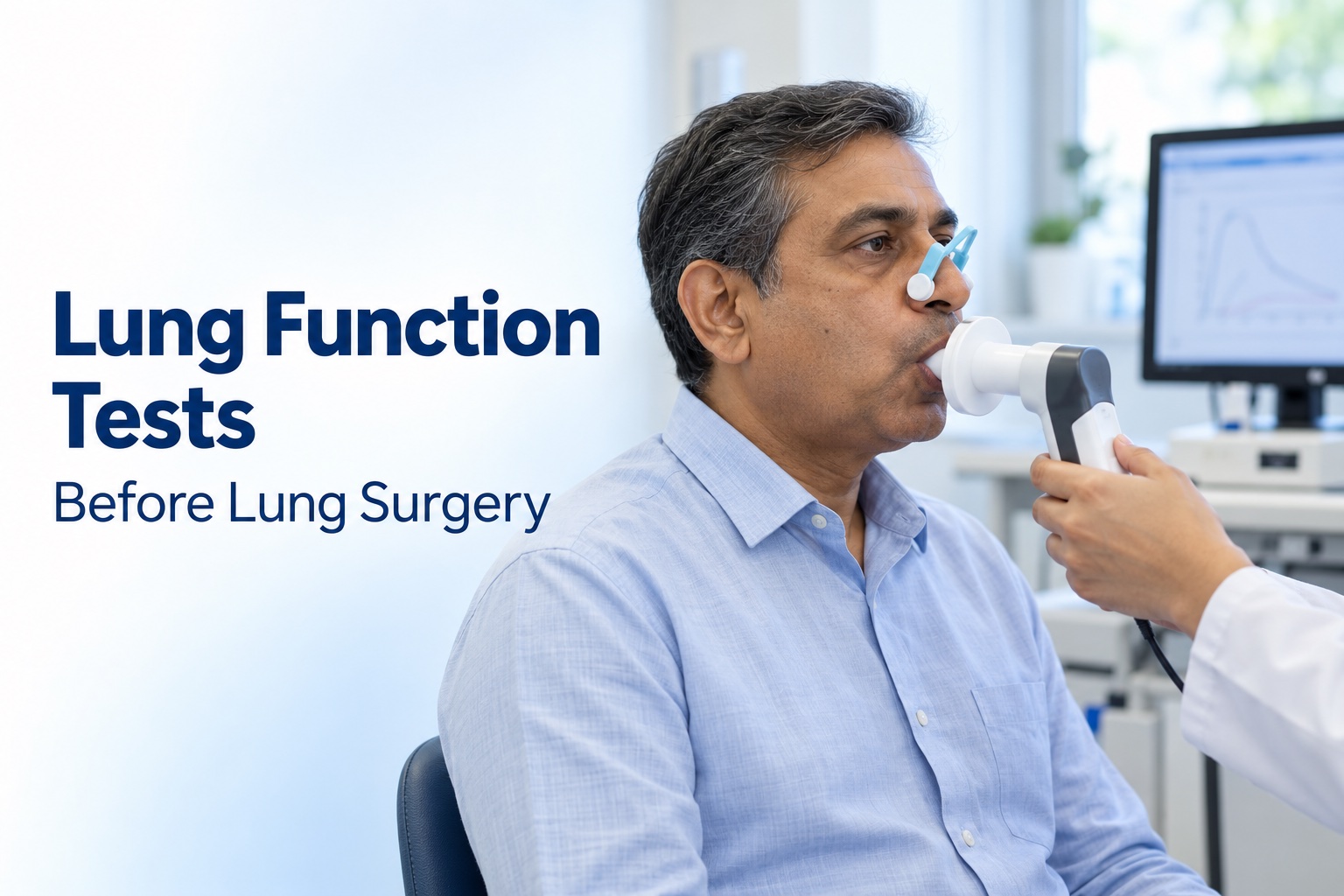
Lung Function Tests Before Lung Surgery: FEV1, DLCO and Fitness Explained
- Dr. Parveen Yadav
- Oct 17, 2026

Does a Positive PET-CT Always Mean Lung Cancer?
- Dr. Parveen Yadav
- Oct 14, 2026
Related Posts
Thymectomy for Myasthenia Gravis: Who Benefits, Surgery and Recovery
Learn who may benefit from thymectomy for myasthenia gravis, what research shows, how robotic and VATS surgery differ, and how to prepare for recovery.
- Read More
- Oct, 25 2026
Lung Function Tests Before Lung Surgery: FEV1, DLCO and Fitness Explained
Understand spirometry, FEV1, DLCO and exercise tests before lung surgery, how results guide planning and what to ask about your breathing reserve.
- Read More
- Oct, 17 2026
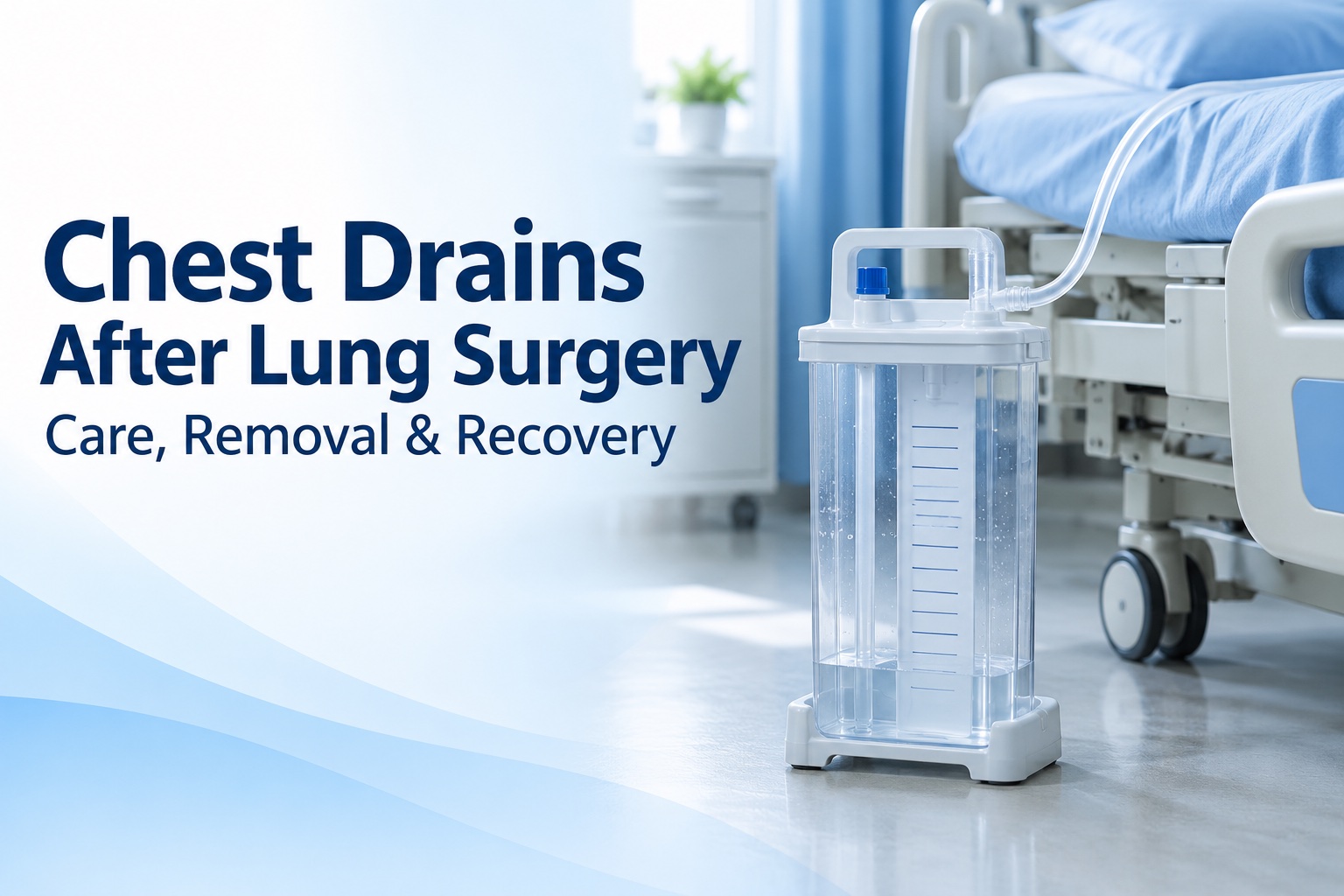
Chest Drain After Lung Surgery: Care, Removal and Recovery
Understand why a chest drain is used after lung surgery, how to move safely with it, what guides removal and which warning signs need urgent help.
- Read More
- Oct, 10 2026
Copyright 2026 © Dr .Parveen Yadav all rights reserved.
Proudly Scaled by Public Media Solution!