- Call : +91 9540210956
- Email: [email protected]
- Artemis Hospital Sector 51 Gurgaon
- 09Am - 5Pm


Why Do I Cough After Eating or Drinking? Causes and When to Get Help
- Home
- Blog Details

A sip of water sets off a cough. Food seems to catch, your voice sounds wet after a meal, or coughing begins when you lie down after dinner. It is tempting to call every episode “acidity,” but the timing can point towards different problems that need different assessments.
Coughing during or after eating can be associated with swallowing difficulty, material entering the airway, reflux or another condition. A cough alone cannot establish which explanation applies. Repeated episodes, especially with weight loss, choking or chest infections, deserve a medical review.
This guide explains what to report, how swallowing and reflux investigations differ, and why changing food textures or taking reflux medicines without an assessment can miss the underlying issue.
Start With the Timing: During a Swallow or Later?
Tell your clinician whether you cough while initiating a swallow, immediately after it, or later in the meal. Mention whether water, solid food or both trigger the problem and whether food comes back up.
The NHS dysphagia guide lists coughing or choking during eating, a wet-sounding voice, regurgitation and repeated chest infections among features of swallowing difficulty. Dysphagia means difficulty swallowing; it does not identify the cause by itself.
A brief diary can help: record the food or drink, timing, associated symptoms and any change from your usual pattern. Do not repeatedly test a food or drink that causes significant choking just to make the diary more complete.
When It Is an Emergency
If someone is choking and cannot breathe or speak normally, seek emergency help immediately. A separate emergency occurs when food is stuck in the food pipe and the person cannot swallow saliva, even if they can still breathe. Do not force more food or liquid down.
The American Society for Gastrointestinal Endoscopy's food-impaction guidance explains why complete esophageal obstruction needs emergency treatment.
Rapid throat or tongue swelling, breathing difficulty or collapse after food may indicate a serious allergic reaction. The NHS anaphylaxis guidance describes this emergency. Follow any prescribed allergy emergency plan and seek urgent help; do not assume it is reflux.
Swallowing Difficulty and Aspiration
Swallowing requires coordination between movement of food and protection of the airway. Material entering the airway below the vocal folds is called aspiration. Food, drink or secretions can be involved.
Coughing or throat clearing around meals can be a clue, but it is not proof of aspiration. Conversely, some aspiration occurs without an obvious cough, called silent aspiration. The American Speech-Language-Hearing Association's adult dysphagia resource explains why symptoms alone cannot confirm or exclude it.
Neurological conditions, treatment affecting the head or neck and other health problems can affect swallowing. Tell the clinician about relevant illnesses or operations. The next step is an appropriate swallowing assessment, not guessing which muscle exercise will fix it.
Why Repeated Chest Infections Matter
Material entering the lungs can contribute to respiratory illness. When aspiration is associated with infection, the condition may be called aspiration pneumonia. Not every aspiration event causes pneumonia, and not every cough after eating means pneumonia is present.
Hertfordshire Community NHS Trust's aspiration information explains the relationship between swallowing problems, reflux and respiratory complications. Report fever, worsening breathlessness, recurrent infections or declining intake to the treating team.
If you already have bronchiectasis or another lung condition, meal-related coughing may be useful additional information rather than simply part of the usual cough. Our daily phlegm guide explains how repeated infections are assessed.
Could Acid Reflux Be the Cause?
Reflux occurs when stomach contents move back into the esophagus. It may cause heartburn or regurgitation, and some people also have chronic cough or hoarseness. Not everyone with reflux has classic burning symptoms.
NIDDK's reflux symptoms guide explains these presentations. However, a cough after a meal does not prove that acid is the cause, and the absence of heartburn does not establish “silent reflux.”
Tell the clinician about a sour taste, regurgitation, symptoms when lying down and your response to previous treatment. These are pieces of the assessment, not reliable tests you can use to distinguish reflux from aspiration at home.
Why a Trial of Acid Medicine Does Not Explain Everything
Persistent cough can have several contributors. The 2022 American College of Gastroenterology GERD guideline recommends considering non-reflux causes before attributing extraesophageal symptoms to reflux.
For people with such symptoms but no typical heartburn or regurgitation, it recommends reflux testing before proton pump inhibitor therapy. The plan differs when typical reflux symptoms are also present. An endoscopy alone does not establish that reflux causes a cough.
Ask what supports the reflux diagnosis, how response will be assessed and what happens if treatment does not help. Do not keep increasing acid treatment indefinitely without reviewing the explanation for the cough.
Could the Problem Be Further Down the Food Pipe?
Food sticking in the chest or returning undigested can suggest a problem within the esophagus rather than only difficulty coordinating the initial swallow. Narrowing, inflammation and motility disorders are among the possibilities.
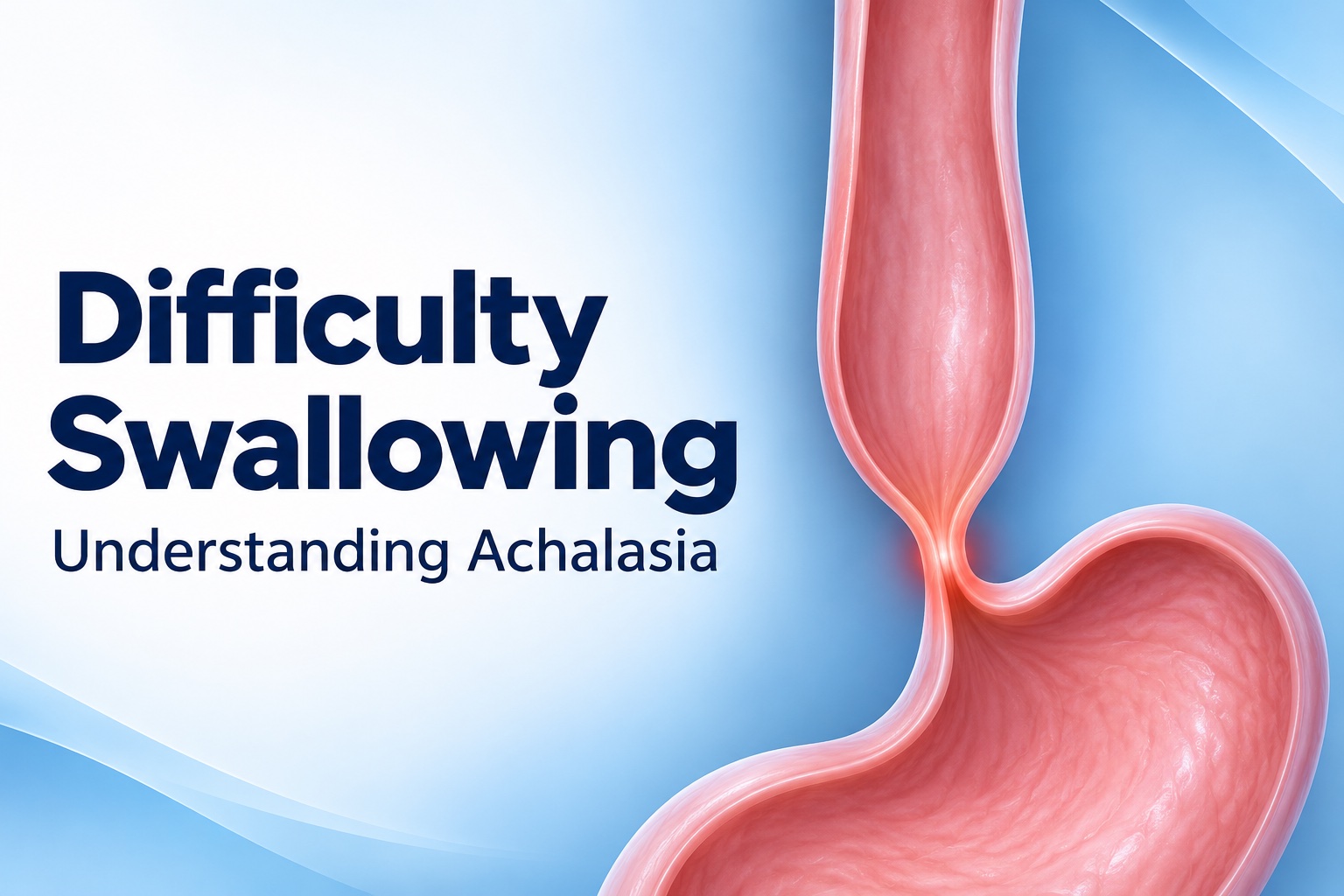
The NHS achalasia guide describes one condition in which impaired movement and relaxation at the lower food pipe make emptying difficult. Regurgitation can lead to coughing, particularly when lying down.
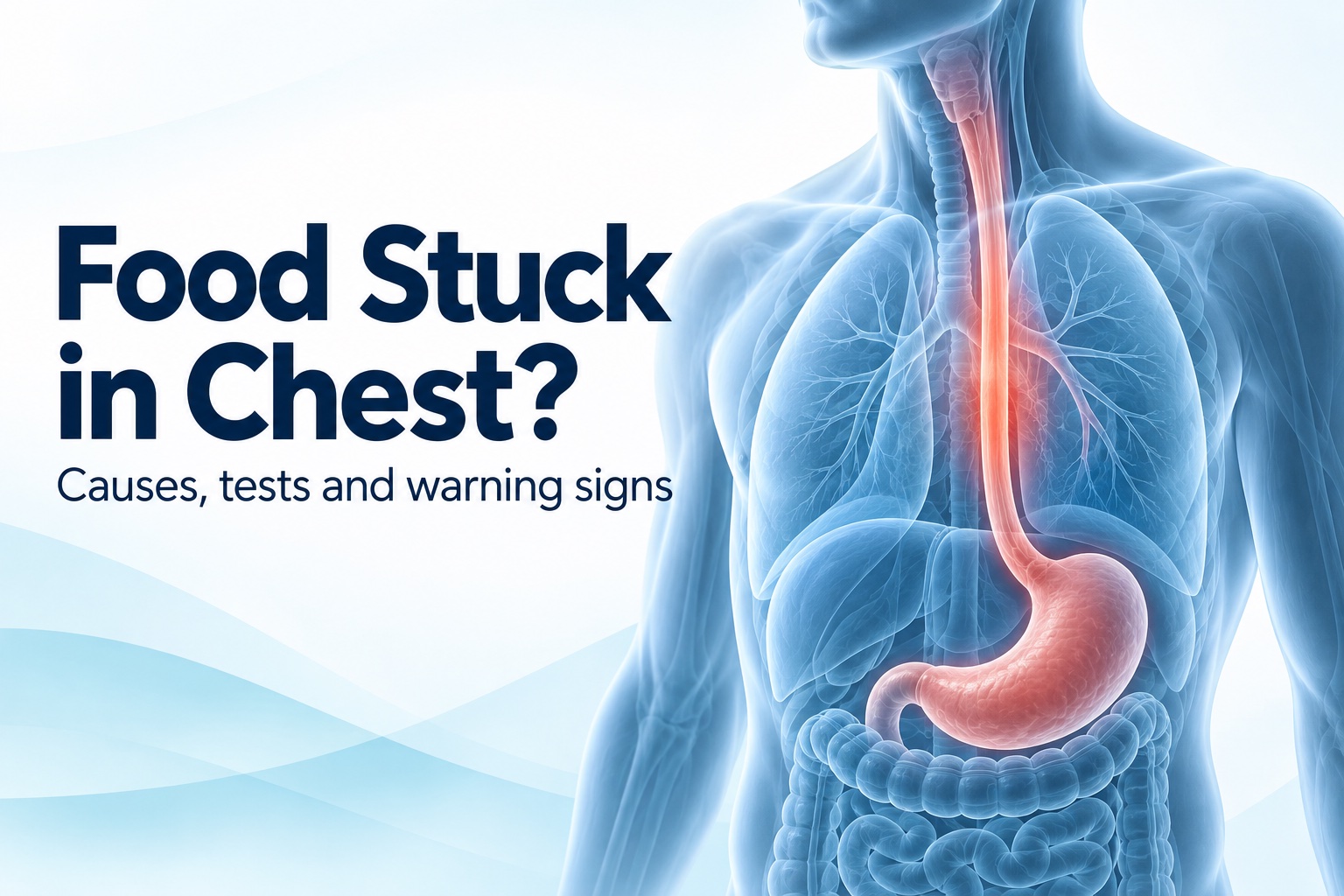
Our achalasia article and food-sticking guide explain these investigations. Symptoms that overlap do not establish the same diagnosis, so describe both the cough and the swallowing sensation.
Which Tests Might Be Appropriate?
The clinician may examine your chest and swallowing, review medicines and decide whether you need a speech and language therapist, gastroenterologist, ENT clinician or respiratory specialist. Tests are selected to answer a specific question.
| Investigation | What it helps assess |
|---|---|
| Clinical swallowing assessment | History, signs and the need for instrumental evaluation |
| VFSS or modified barium swallow | Movement of material during swallowing using X-ray imaging |
| FEES | Swallowing-related findings using a flexible camera through the nose |
| Upper GI endoscopy | The esophageal lining and structural abnormalities |
| Reflux monitoring or manometry | Reflux exposure or esophageal pressure and movement, when indicated |
Videofluoroscopic swallowing study
A VFSS records swallowing using X-ray imaging and contrast-containing material. It can show where material travels and help assess whether particular strategies alter swallowing safety or efficiency.
ASHA's VFSS resource explains its role. A modified barium swallow focused on swallowing is not automatically the same examination as an esophagram focused on the food pipe. Ask which question the requested study is intended to answer.
Flexible endoscopic evaluation of swallowing
FEES uses a flexible endoscope passed through the nose to assess swallowing-related findings. It can be performed in different clinical settings and can help the team understand secretions and airway protection.
ASHA's FEES guidance explains its uses and limitations. The choice between tests depends on your needs; the most useful question is which investigation can resolve the uncertainty in your case.
Should You Thicken Drinks or Change Food Textures Yourself?
No single texture is appropriate for everyone with a meal-related cough. Thickened drinks or modified foods may form part of an individual plan, but they should not be assumed to prevent pneumonia or solve every swallowing problem.
The Royal College of Speech and Language Therapists' 2024 position paper emphasises balancing evidence, benefits, burdens and personal preferences. Assessment should guide decisions, including the effects on hydration and quality of life.
If a texture or fluid plan has been prescribed, follow it and request a review if intake becomes difficult. Do not replace an existing clinical plan with a general tip such as using a straw, tucking the chin or taking large mouthfuls of water. Strategies need to match the problem being treated.
What Can You Do While Arranging Review?
Pause a meal if coughing makes swallowing unsafe and seek advice, particularly when episodes recur. Avoid rushing or being distracted while eating, and use any established positioning or assistance plan. Keep up oral care and tell the team if you are eating or drinking less.
The Hertfordshire aspiration resource discusses the importance of an individual mealtime and mouth-care plan. A family member's observations can be helpful, especially if you do not notice changes in your voice or breathing.
When reflux is established, measures such as avoiding meals close to bedtime and weight management where appropriate may be useful. NIDDK's treatment guide describes these options. They do not substitute for assessment when choking or dysphagia is present.
When Would a Surgical Opinion Be Relevant?
A cough after eating is not, by itself, an indication for chest or reflux surgery. First establish which part of swallowing or digestion is affected and whether a structural or motility problem has been identified.
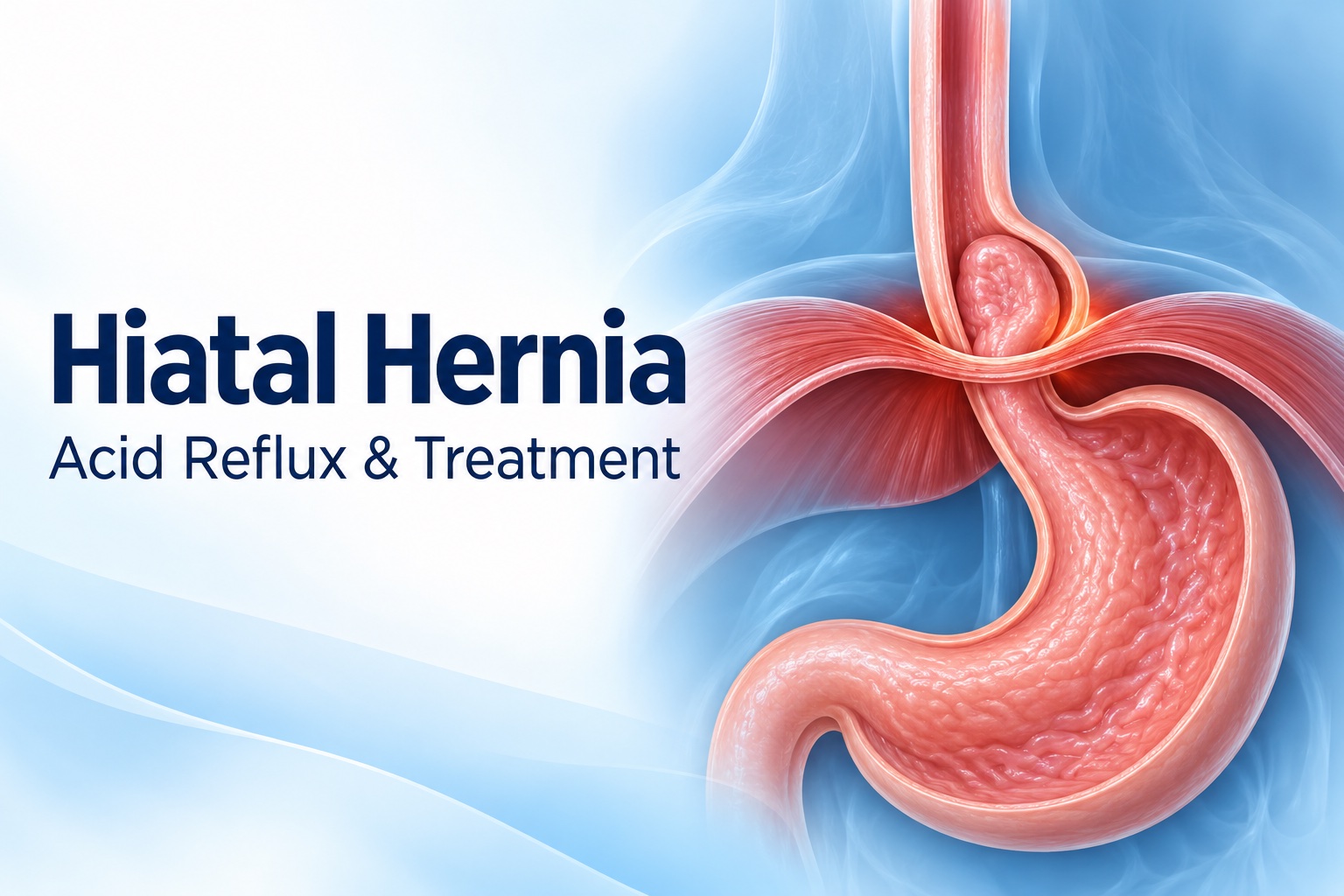
If investigations lead to a discussion about an esophageal condition or hiatal hernia, a surgical review may become appropriate. Our hiatal hernia guide explains why confirming the problem and the intended benefit matters before an operation.
Ask the reviewing team which symptom the proposed treatment is expected to improve and which symptoms may need separate care. This keeps the decision tied to evidence from your investigations rather than the timing of the cough alone.
Questions for Your Appointment
- Does the pattern suggest an initial swallowing problem, esophageal problem or reflux?
- Do I need a swallowing specialist assessment?
- Would VFSS or FEES answer a useful question?
- What evidence supports reflux as a cause?
- Do I need an individual food or fluid plan?
- Which changes in breathing, intake or weight should trigger urgent contact?
- Who will review the tests and coordinate the next step?
Frequently Asked Questions
Does coughing with water mean I am aspirating?
Not necessarily, but repeated episodes need assessment. Symptoms alone cannot reliably confirm or exclude aspiration.
Can aspiration happen without coughing?
Yes. Silent aspiration is one reason a clinician may recommend an instrumental swallowing assessment.
Should I just take a cough suppressant?
Ask a clinician or pharmacist before treating a recurrent meal-related cough. Suppressing the symptom does not establish why it happens.
Does this symptom mean cancer?
No single symptom makes that diagnosis. Progressive swallowing difficulty or weight loss still needs prompt investigation for its own cause.
Getting the Right Assessment
Arrange a medical review for repeated coughing with meals, drinks or regurgitation. If investigations identify an esophageal condition requiring a surgical opinion, contact Dr. Parveen Yadav's team and bring your reports. Acute choking or severe breathing difficulty requires emergency help.
Selected Guidelines and Patient Resources
- ASHA adult dysphagia guidance: assessment and aspiration.
- ACG GERD guideline, 2022: evaluating cough before attributing it to reflux.
- RCSLT position paper, 2024: individual decisions about thickened fluids.
- NHS dysphagia guide: symptoms and seeking help.

Dr. Parveen Yadav
18+ Yrs Exp | 5,700+ Thoracic & Robotic Cancer Surgeries
Dr. Parveen Yadav is a Director and Senior Consultant in Thoracic and Surgical Oncology, specializing in minimally invasive and robotic lung and esophageal surgeries, with advanced training from AIIMS and Tata Memorial Hospital.
View Full ProfileRecent Posts

Lung Biopsy: Is It Painful? Procedure, Risks, Recovery and Results
- Dr. Parveen Yadav
- Nov 12, 2026
Difficulty Swallowing Food and Liquids: Could It Be Achalasia?
- Dr. Parveen Yadav
- Nov 08, 2026

Coughing Up Phlegm Every Day? Causes, Tests and Bronchiectasis Treatment
- Dr. Parveen Yadav
- Nov 04, 2026
Hiatal Hernia or Acid Reflux? Symptoms, Treatment and When Surgery Is Needed
- Dr. Parveen Yadav
- Nov 01, 2026
Related Posts
Difficulty Swallowing Food and Liquids: Could It Be Achalasia?
Food and water feel stuck? Understand achalasia symptoms, manometry and endoscopy, plus how POEM, Heller myotomy and balloon dilation compare.
- Read More
- Nov, 08 2026
Hiatal Hernia or Acid Reflux? Symptoms, Treatment and When Surgery Is Needed
Learn how a hiatal hernia differs from acid reflux, which symptoms need urgent care, what tests help and when repair or fundoplication may be considered.
- Read More
- Nov, 01 2026
Food Stuck in Chest: Causes, Warning Signs and When to Get Help
Food feels stuck in your chest after eating? Learn about reflux, narrowing, swallowing problems, warning signs and when urgent endoscopy may be needed.
- Read More
- Sep, 28 2026
Copyright 2026 © Dr .Parveen Yadav all rights reserved.
Proudly Scaled by Public Media Solution!