- Call : +91 9540210956
- Email: [email protected]
- Artemis Hospital Sector 51 Gurgaon
- 09Am - 5Pm


Persistent Cough: When Should You See a Chest Specialist?
- Home
- Blog Details
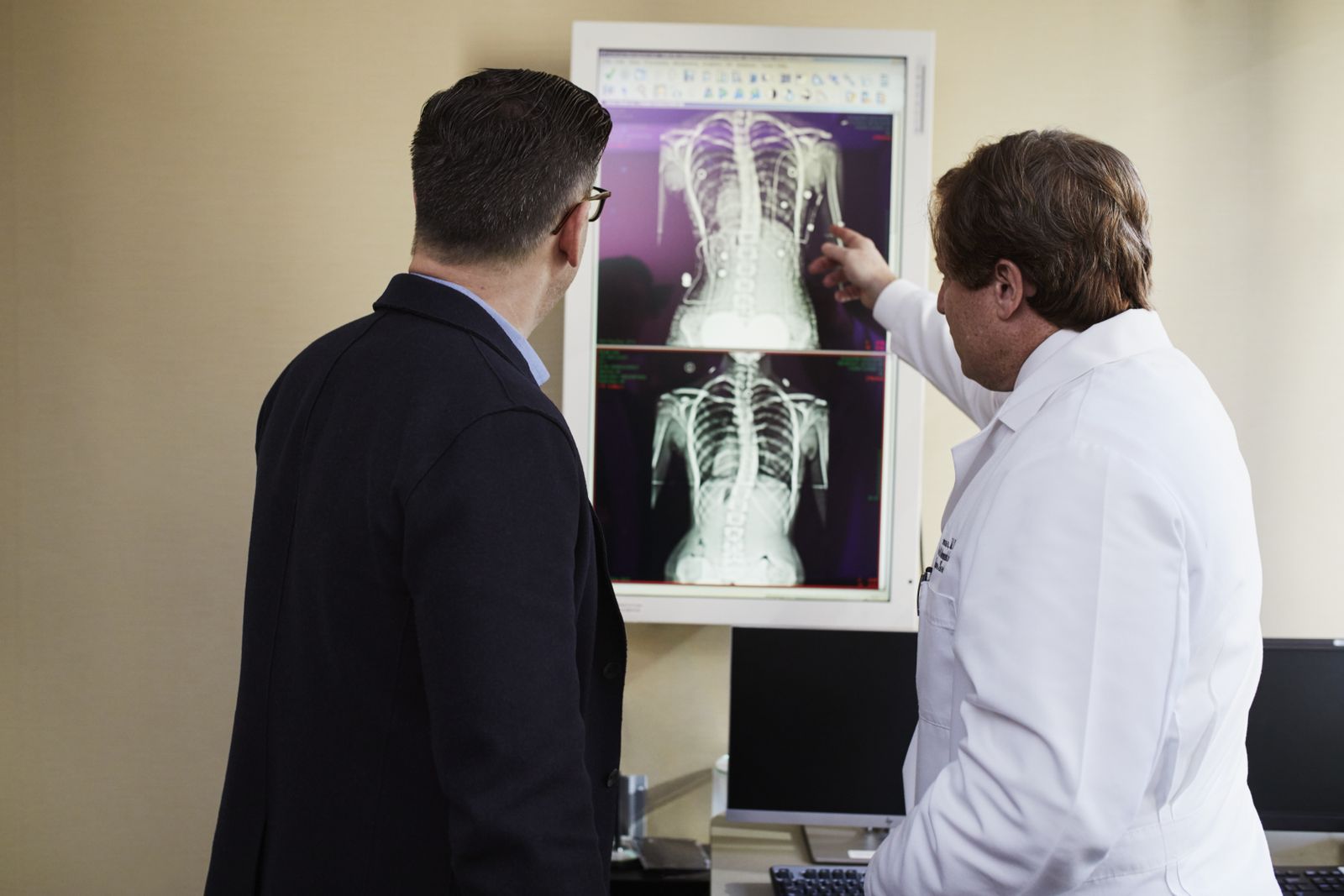
A cough is common, but a cough that changes your sleep, keeps returning, or simply does not go away deserves more than another bottle of cough syrup. Most persistent coughs are not lung cancer. They are often caused by infection, asthma, allergies, reflux, smoking, or irritation in the airways. The reason to get checked is not to assume the worst. It is to identify the cause properly and avoid months of guesswork.
When Is a Cough Considered Persistent?
A cough that lasts beyond three weeks is a good reason to book a medical review, particularly if it is worsening rather than improving. A cough that returns repeatedly after apparently settling also needs attention. Duration is only one part of the story. The character of the cough and the symptoms around it often tell us more.
Is it dry or productive? Does it wake you at night? Is there wheezing, heartburn, breathlessness, fever, throat clearing, or nasal congestion? Does it happen around dust, smoke, perfumes, or exercise? These details help separate the common causes.
Common Causes That Are Often Missed
Post-viral airway irritation can last weeks after a cold or flu. Asthma may present mainly as cough rather than obvious wheeze. Acid reflux can trigger cough even in people who do not feel classic heartburn. Mucus dripping from the nose or sinuses can irritate the throat throughout the day and night. Smoking and second-hand smoke are frequent causes, as are some medicines used for blood pressure.
These conditions are treatable, but treatment works well when it is based on a proper history and examination. Taking antibiotics repeatedly without a diagnosis can delay the right care.
Symptoms That Need Earlier Assessment
Some symptoms should move the appointment forward. These include coughing up blood, increasing breathlessness, chest pain, persistent hoarseness, recurrent chest infections, unexplained weight loss, fever that does not settle, or severe fatigue. A cough with blood should always be assessed. If there is more than a small streak of blood, or blood is accompanied by severe breathlessness, chest pain, dizziness, or a fast heartbeat, seek emergency care.
These features do not point to one diagnosis. Infections, bronchiectasis, tuberculosis, blood clots, chronic lung disease, and cancer can all need consideration depending on the situation.
Why Smoking History Matters
A cough should never be dismissed as a smoker's cough. Smoking raises the risk of chronic bronchitis, COPD, lung cancer, and several other respiratory conditions. People who stopped smoking years ago should still mention their previous exposure. The purpose is not to blame anyone. It helps the clinician choose the right tests and set the right threshold for a scan or specialist review.
What Happens During an Assessment?
The first consultation is usually straightforward. The doctor will review symptoms, medicines, past chest illnesses, smoking history, workplace exposures, travel, and any family history. They will examine the chest and may arrange a chest X-ray, lung-function test, sputum test, allergy assessment, or blood tests.
Not everyone needs a CT scan. A CT may be useful when the X-ray is abnormal, symptoms remain unexplained, there are important risk factors, or the doctor needs a more detailed view of the lungs and airways. The goal is to use the right test, not every test.
How to Make the Appointment More Useful
Keep a short symptom diary for a week or two. Note when the cough occurs, whether there is phlegm, what colour it is, whether it is linked with meals or lying down, and whether you have fever or breathlessness. Take a list of medicines, including inhalers and supplements. If you have an old chest X-ray or CT report, carry it with you.
What You Can Do in the Meantime
- Avoid smoking and second-hand smoke.
- Stay hydrated and avoid known irritants such as dust or strong fumes.
- Do not start leftover antibiotics or steroid medicines without advice.
- Use any prescribed inhaler exactly as directed.
- Seek prompt care if symptoms worsen rather than waiting for a routine visit.
Final Thoughts
A persistent cough is usually caused by something treatable. The key is to stop treating the symptom in isolation and work out why it is happening. A focused review can provide reassurance when the cause is simple and can identify the people who need further tests without delay.
If your cough is not settling, or you have any warning signs, arrange a chest assessment and bring your previous reports with you.
When a Chest Specialist Adds Value
A specialist review is useful when the first treatment has not worked, the chest X-ray is abnormal, the cough has lasted several weeks without a clear explanation, or there are risk factors that need more careful assessment. The purpose is not to send every patient for a CT scan or bronchoscopy. It is to identify the smaller group for whom those tests could change care, while treating common causes properly.
A cough may also have more than one cause. For example, a smoker with reflux and mild asthma can have symptoms from all three. Treating only one factor may produce partial improvement and leave the person uncertain about what is happening. A structured assessment avoids that cycle.
Do Not Ignore a Change in Pattern
A cough that is familiar but suddenly becomes more frequent, more painful, productive of blood, or associated with reduced exercise tolerance deserves a fresh assessment. The same is true when someone who has recovered from an infection continues to feel short of breath or repeatedly develops chest infections. A changed symptom is new clinical information and should not be dismissed because the cough itself is old.
The right outcome of a consultation is a clear explanation, a focused test plan when needed, and specific advice on what should prompt earlier review.

Dr. Parveen Yadav
18+ Yrs Exp | 5,700+ Thoracic & Robotic Cancer Surgeries
Dr. Parveen Yadav is a Director and Senior Consultant in Thoracic and Surgical Oncology, specializing in minimally invasive and robotic lung and esophageal surgeries, with advanced training from AIIMS and Tata Memorial Hospital.
View Full ProfileRecent Posts

Thymectomy for Myasthenia Gravis: Who Benefits, Surgery and Recovery
- Dr. Parveen Yadav
- Oct 25, 2026
Ground-Glass Lung Nodules: Follow-Up, Cancer Risk and When Surgery Is Needed
- Dr. Parveen Yadav
- Oct 21, 2026

Lung Function Tests Before Lung Surgery: FEV1, DLCO and Fitness Explained
- Dr. Parveen Yadav
- Oct 17, 2026

Does a Positive PET-CT Always Mean Lung Cancer?
- Dr. Parveen Yadav
- Oct 14, 2026
Related Posts
Thymectomy for Myasthenia Gravis: Who Benefits, Surgery and Recovery
Learn who may benefit from thymectomy for myasthenia gravis, what research shows, how robotic and VATS surgery differ, and how to prepare for recovery.
- Read More
- Oct, 25 2026
Lung Function Tests Before Lung Surgery: FEV1, DLCO and Fitness Explained
Understand spirometry, FEV1, DLCO and exercise tests before lung surgery, how results guide planning and what to ask about your breathing reserve.
- Read More
- Oct, 17 2026

Chest Drain After Lung Surgery: Care, Removal and Recovery
Understand why a chest drain is used after lung surgery, how to move safely with it, what guides removal and which warning signs need urgent help.
- Read More
- Oct, 10 2026
Copyright 2026 © Dr .Parveen Yadav all rights reserved.
Proudly Scaled by Public Media Solution!