


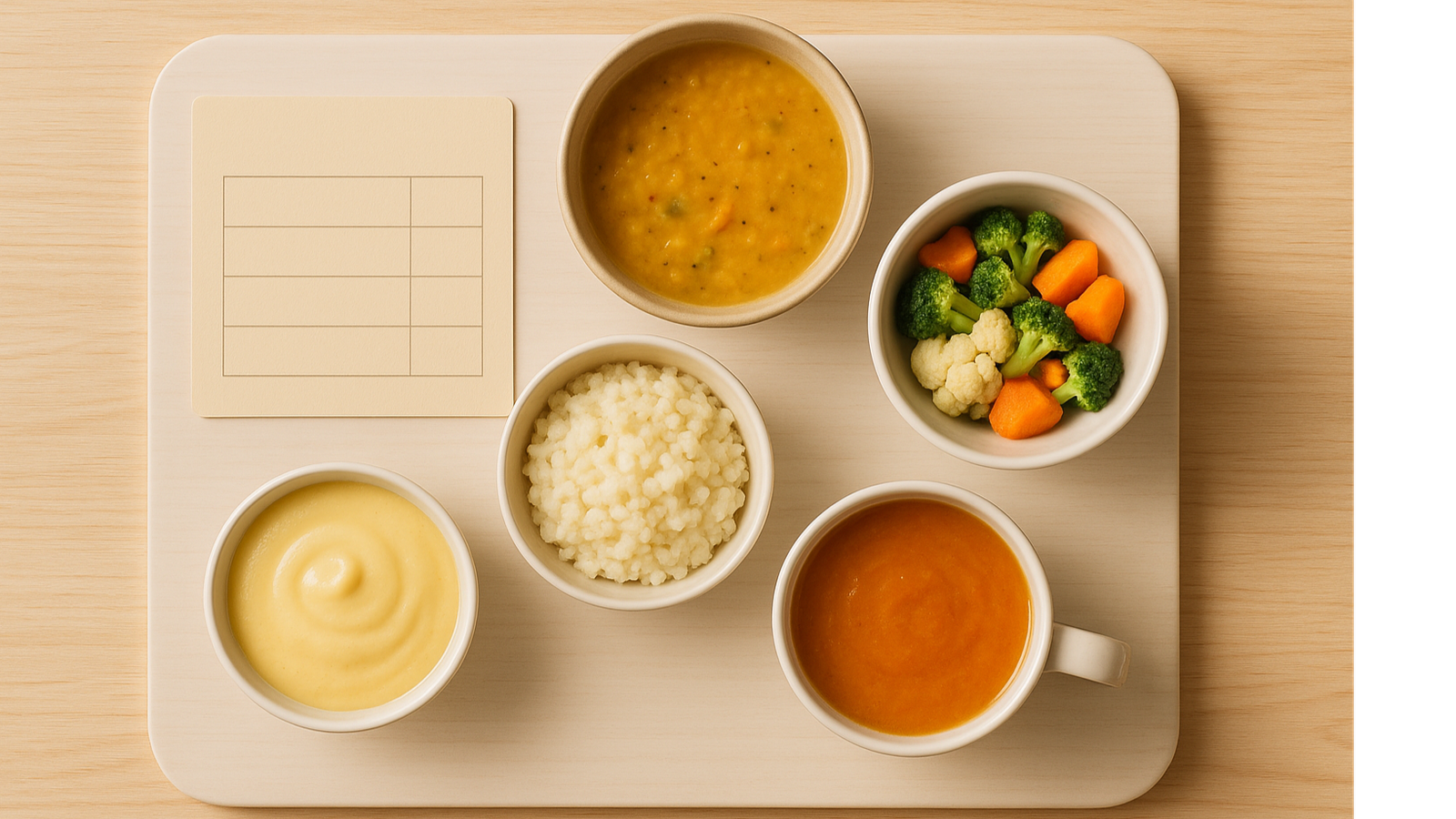
Think of your body as a high-performance office. It has just experienced a massive structural renovation. The surgery for esophageal cancer, specifically an esophagectomy, isn't just a repair job; it’s a complete reorganization of your internal logistics. Your "storage room" (stomach) has been downsized, and your "main corridor" (esophagus) has been reconstructed.
If you were managing an office renovation, you wouldn't expect business as usual on day one. You would implement new protocols to keep productivity high without breaking the new infrastructure. Recovery is no different. You need a new Standard Operating Procedure (SOP) for eating.
For our Indian readers, this challenge is unique. Our "corporate culture" of food revolves around volume (big plates of rice), complex textures (fibrous veggies), and intense spices. The standard advice to "eat bland food" doesn't work when your palate is used to masala.
In this guide, we will apply the principles of Nutritional Ergonomics to your recovery. Whether you underwent esophageal cancer treatment in Delhi or a robotic esophageal cancer surgery elsewhere, this plan is designed to get your system back online, efficient, and profitable (healthy) by 2025.
Before we look at the menu, you need to understand the new layout of your machinery. This helps you understand why the rules exist.
During esophagectomy surgery, the surgeon removes the tumor and pulls the stomach up to the chest to create a new tube, called a gastric conduit.
Your old esophagus had muscles that pushed food down. The new conduit is a passive chute. It relies on gravity.
The valve that controls food exiting your stomach (the pylorus) behaves differently now.
In the immediate aftermath of Esophageal Cancer Treatment, your system is fragile. Most esophageal cancer surgeons in Gurgaon experts will keep you on liquids for the first 1-2 weeks.
This is the transition phase. The goal is "Fork-Mashable" efficiency. If you cannot mash it with a fork, it is a safety hazard for your new anatomy.
Many patients struggle here because Roti and Naan are staples, but they are dangerous in this phase. Wheat gluten becomes sticky when chewed and can clog the conduit.
Safe Alternatives (Green Zone):
Recovery is a protein-heavy project. You need materials to rebuild tissue.
Contrarian Alert: Your grandmother might tell you Jaggery (Gur) is better than sugar. In the context of esophagectomy surgery recovery, she is wrong.
When you eat concentrated sugars (Jaggery, Honey, Fruit Juice), they rush into your small intestine. Your body creates an emergency reaction, pulling water from your blood into your gut to dilute the sugar.
Table: The Sweetener Risk Matrix
| Sweetener | Glycemic Load | Risk Level | Recommendation |
| White Sugar | High | High | Avoid completely. |
| Jaggery (Gur) | Very High | Critical | Strictly Avoid. High osmolarity causes rapid dumping. |
| Honey | High | High | Avoid. Pure fructose/glucose spikes insulin. |
| Stevia | Zero | Safe | Use freely. No insulin spike. |
| Erythritol | Low | Safe | Good alternative for tea/coffee. |
Stop drinking water with your meals.
In the corporate world, we multitask. In post-surgical nutrition, multitasking is a disaster. If you drink water while eating Khichdi, the water acts like a high-pressure flush. It pushes the food through your stomach before your body can extract the nutrients.
The Protocol:
This ensures your "new stomach" has time to process the "files" (food) before the "cleaners" (water) come in.
Can you ever eat Butter Chicken again? Yes, but you need a phased rollout.
Your internal incision is a raw wound. Chili powder (Capsaicin) is an acid burn waiting to happen.
If you have undergone minimally invasive esophagectomy, your external recovery might be fast, but the internal remodeling takes the same amount of time. Don't let the small scars fool you into eating spicy food too early.
Recovery is not a straight line. You need to know when to escalate the issue to management (your doctor).
If you experience:
You need to contact your esophageal cancer doctor in Gurgaon or Delhi immediately. These could be signs of a stricture (narrowing of the tube) which is a common, fixable mechanical issue.
For those seeking the best esophageal cancer treatment in Gurgaon, facilities like Chest Surgery India often provide integrated dietetic support to navigate these nuances.
It is worth reporting that the specific types of esophageal cancer surgery you had can influence your diet:
The best diet is one that keeps your "internal office" running without downtime. It requires discipline, planning, and a willingness to adapt your cultural routines for the sake of biological efficiency.
The Key Takeaways:
If you are looking for an esophageal cancer surgeon in Gurgaon or need a second opinion on your nutritional recovery, consult with a high-volume center. Experts at Chest Surgery India have the specific "user manuals" for the anatomy they have created.
1️. What is esophageal cancer surgery and why is it done?
Esophageal cancer surgery removes the tumor along with a piece of the esophagus and nearby lymph nodes to prevent the disease from spreading.
2️. When is surgery recommended for esophageal cancer?
Surgery is usually advised in early or locally advanced stages when the cancer has not spread to distant organs.
3️. Can esophageal cancer be cured with surgery?
Yes. In early-stage esophageal cancer, surgery offers the best chance of long-term survival or cure.
4️. What are the main types of esophageal cancer surgery?
Standard procedures include transhiatal esophagectomy, Ivor Lewis esophagectomy, and minimally invasive or robotic esophagectomy.
5️. How long does esophageal cancer surgery take?
Most operations take between 5 to 8 hours depending on the technique and complexity.
6️. What is the recovery time after esophagectomy?
Patients usually stay in the hospital for 7 to 14 days and full recovery may take 2 to 3 months or longer.
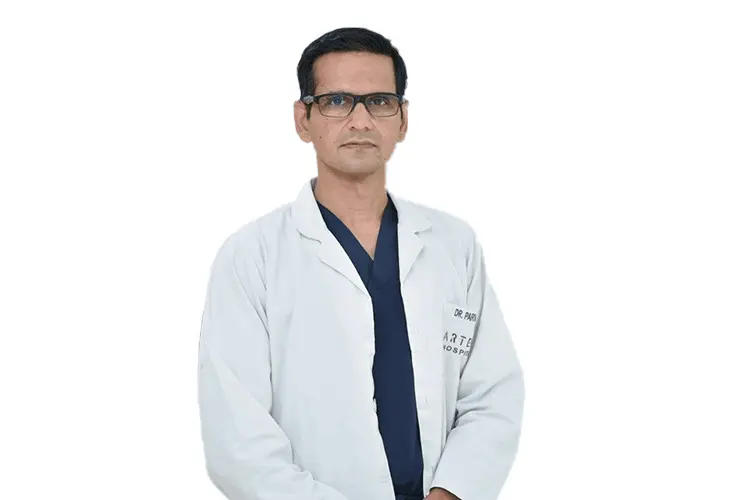
18+ Yrs Exp | 5,700+ Thoracic & Robotic Cancer Surgeries
Dr. Parveen Yadav is a Director and Senior Consultant in Thoracic and Surgical Oncology, specializing in minimally invasive and robotic lung and esophageal surgeries, with advanced training from AIIMS and Tata Memorial Hospital.
View Full Profile
Robotic vs VATS lobectomy? An expert guide to choosing the best lung cancer treatment in Gurgaon & Delhi. Learn the pros, cons, and key differences.
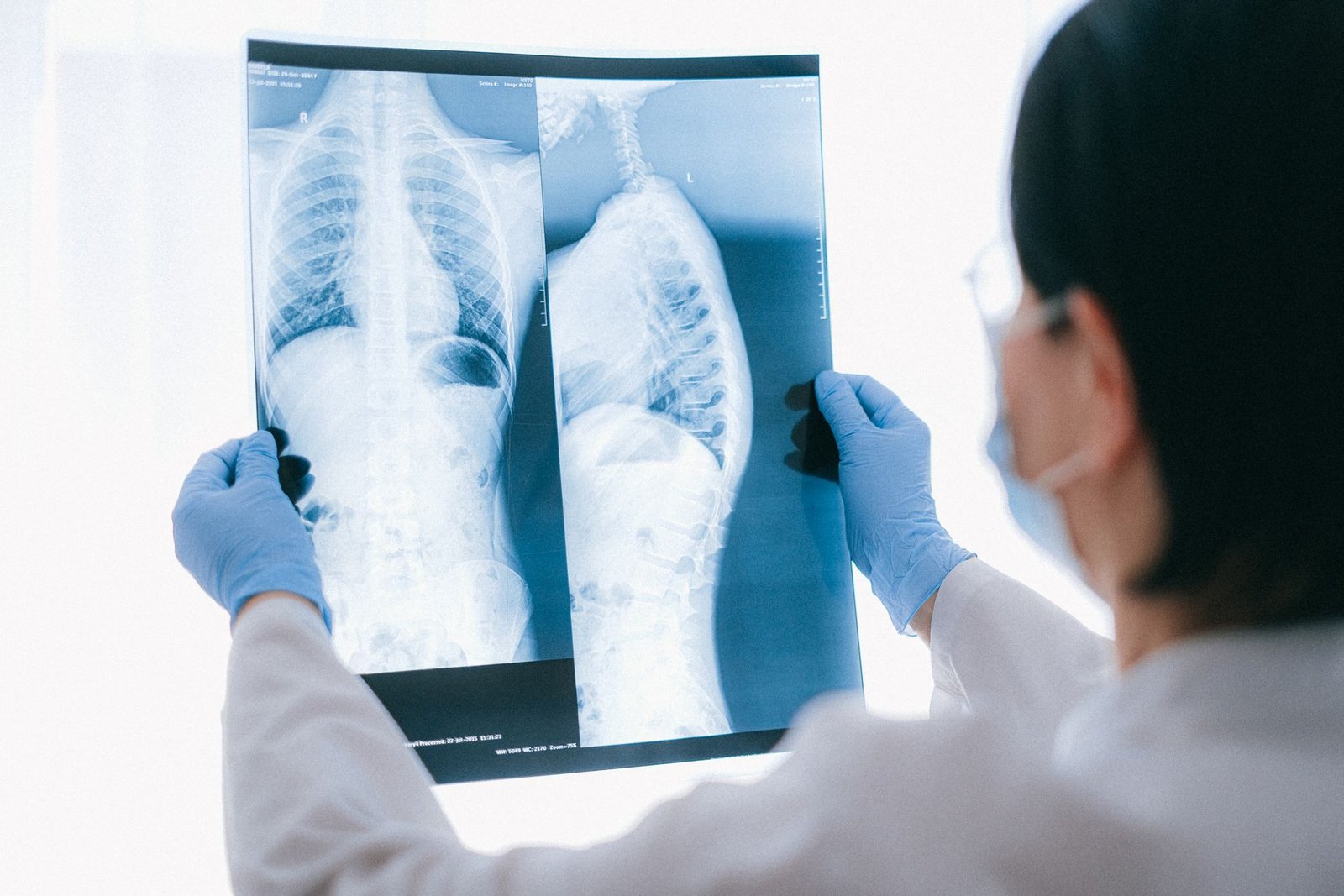
A lung cancer diagnosis is overwhelming. A second opinion can confirm your path, find better treatments, and give you critical peace of mind. Learn why
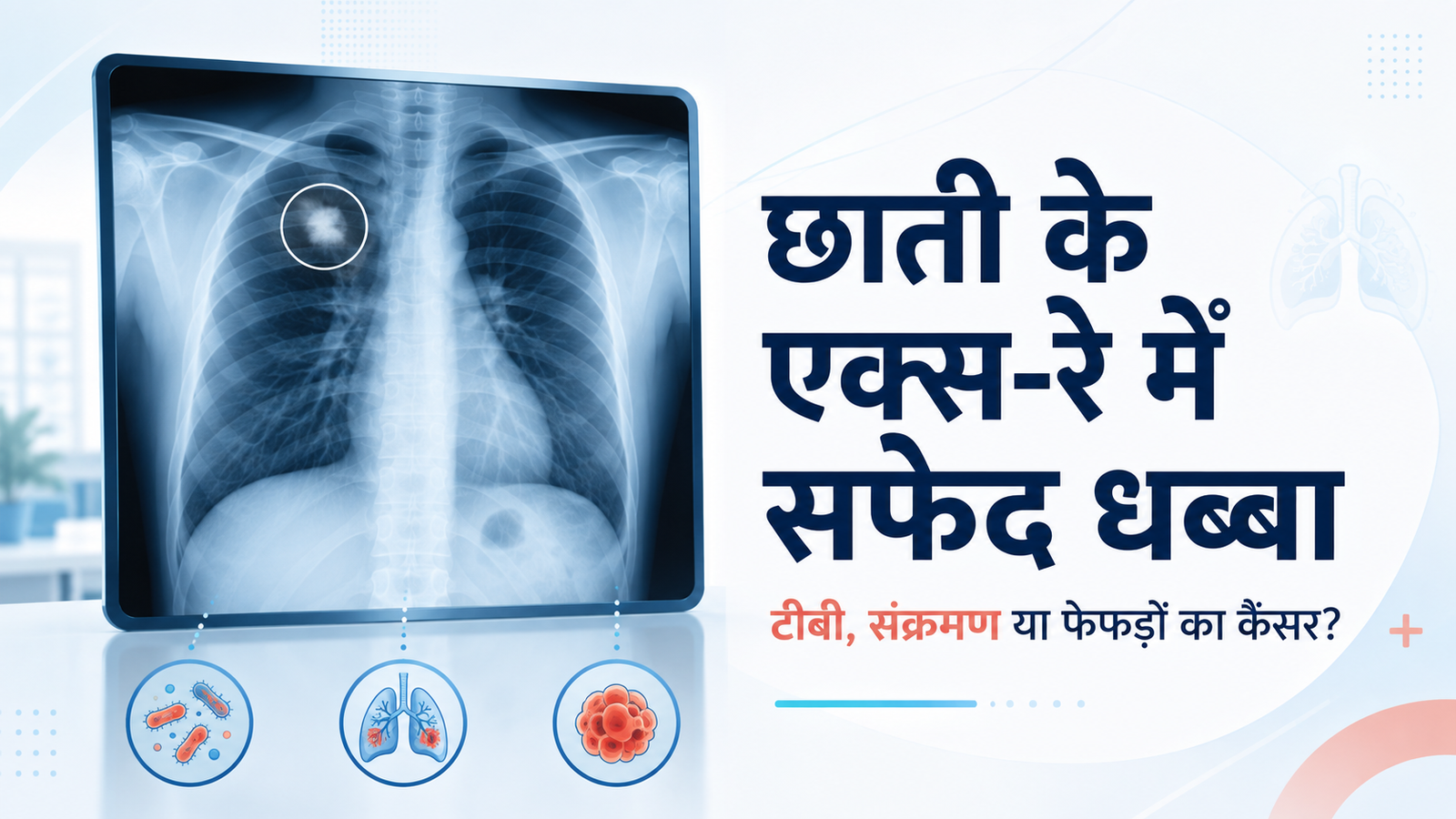
छाती के X-Ray में सफेद धब्बा दिखने का मतलब हमेशा कैंसर नहीं होता। जानें इसके संभावित कारण, टीबी और लंग कैंसर में अंतर तथा जरूरी जांच।
Copyright 2026 © Dr .Parveen Yadav all rights reserved.
Proudly Scaled by Public Media Solution!