



The phone rang at 2:47 PM on a Tuesday. Anita was in the middle of preparing dinner when her husband Rakesh picked up. His face went pale. The doctor was calling with the biopsy results. "I'm sorry, Mr. Sharma. The tests show thoracic cancer." The room started spinning. Rakesh, a 56-year-old teacher who had never smoked a day in his life, sat down slowly. His hands were shaking. Anita grabbed his arm. "What do we do now?" she whispered. That question hung in the air like a weight.
If you're reading this, you or someone you love probably just heard those same terrifying words. I'm Dr. Parveen Yadav, a thoracic surgeon who has sat across from hundreds of families in this exact moment. I've seen the fear in their eyes. I've held their hands. And I've watched them go from shock to strength. Here's what I want you to know right now: You have more time than you think. You have more options than you realize. And you are not alone in this journey.
Thoracic cancer refers to cancers that develop in the chest area, including the lungs, esophagus, trachea, and surrounding structures. It requires careful diagnosis and a structured treatment approach.
The next two weeks after your diagnosis are critical, but not in the way you might think. This isn't about rushing into treatment. It's about making smart, informed decisions that will shape your entire cancer journey. Most websites will tell you about treatment options. I'm going to tell you what happens before treatment starts, because that's where patients often make mistakes that limit their future choices.
Let me be honest with you. The first two days after a cancer diagnosis are brutal. Your mind races at 2 AM. You can't eat. You feel nauseous even though nothing is physically wrong with your stomach. You Google "survival rates" and then wish you hadn't. You look at your family and wonder about the future.
This is completely normal. Your body is in shock. Your nervous system is on high alert. You're not being weak or dramatic. You're being human.
Here's something most doctors won't tell you upfront: Unless you're coughing up blood, struggling to breathe, or in severe pain, you likely have days or even weeks to make decisions, not hours.
I tell my patients in Gurgaon this all the time. Cancer is serious, yes. But most thoracic cancers grow slowly enough that taking two weeks to gather information and build the right team won't change your outcome. In fact, rushing into treatment before you have all the facts can actually hurt your chances.
Let that sink in. You can breathe. You can think. You can plan.
Your brain probably feels foggy right now. You might read this and forget it in five minutes. That's okay. Here's what you need to do in the next 48 hours:
Get your medical records. Call the hospital where you had your biopsy. Tell them you need copies of everything. This includes your pathology report, all imaging scans (CT, PET scans), and biopsy results. Ask for both physical copies and CDs with digital images. You'll need these for second opinions.
Start a simple folder system. Grab a notebook and a folder. This will become your cancer command center. Write down the date you were diagnosed. Note who called you with the results. Start writing questions as they pop into your head. You won't remember everything later, trust me.
Choose one person to be with you. This can't be a solo journey. Pick someone who can come to appointments with you, someone who can think clearly when you can't. It doesn't have to be your spouse. It could be a sibling, adult child, or close friend. Just one person to start.
Limit who you tell right now. You don't owe anyone an immediate explanation. Tell one or two people you trust completely. Everyone else can wait until you know more. This protects your energy when you need it most.
One of the biggest mistakes I see is patients who don't fully understand their diagnosis before starting treatment. They hear "lung cancer" or "esophageal cancer" and immediately think about chemotherapy. But thoracic cancer isn't one disease. It's dozens of different diseases that happen to occur in your chest.
There are several types of thoracic cancer, and each one behaves differently:
Lung cancer comes in two main forms. Non-small cell lung cancer (NSCLC) makes up about 85% of cases. It includes subtypes like adenocarcinoma, squamous cell carcinoma, and large cell carcinoma. Small cell lung cancer (SCLC) is less common but grows faster.
Esophageal cancer can be adenocarcinoma (usually in the lower esophagus) or squamous cell carcinoma (typically in the upper and middle sections).
Other thoracic cancers include mesothelioma (linked to asbestos exposure), thymoma (from the thymus gland), and tracheal tumors.
Why does this matter? Because the treatment for adenocarcinoma of the lung is completely different from small cell lung cancer. The surgery for upper esophageal cancer is different from lower esophageal cancer. Getting this right from the start is essential.
Here's what most websites skip over, and it's the single most important thing I'm going to tell you: Before you start any treatment, you need comprehensive biomarker testing.
Let me explain this in plain English. Biomarker testing (also called molecular testing or genetic profiling) looks at your cancer cells to find specific mutations or changes. These mutations matter because they tell us if your cancer will respond to targeted therapies.
About 30% to 40% of lung cancers have targetable mutations. The most common ones are EGFR, ALK, ROS1, KRAS, BRAF, MET, RET, HER2, and NTRK. If you have one of these mutations, there are medications designed specifically for your cancer. These targeted therapies often work better than chemotherapy and have fewer side effects.
But here's the catch: If you start chemotherapy or immunotherapy before getting these test results, you might disqualify yourself from clinical trials or better treatment options later.
I had a patient last year who came to me for thoracic cancer treatment in Delhi after starting chemotherapy at another hospital. She felt pressured to begin treatment immediately. Three weeks later, her biomarker test came back showing an EGFR mutation. She could have started with a targeted pill instead of chemo. That decision can't be undone.
Write these down. Bring them to your next appointment:
Don't be shy about asking these questions. A good doctor will welcome them. If your doctor seems annoyed or dismissive, that's important information too.
In India, there's sometimes a cultural hesitation about seeking second opinions. Patients worry it will offend their doctor or seem disrespectful. Let me clear this up: Getting a second opinion is standard medical practice, not an insult.
I encourage every patient to get a second opinion. I've given hundreds of second opinions myself. When someone seeks confirmation of a diagnosis or treatment plan, it shows they're taking their health seriously. That's exactly what I want to see.
You should definitely seek another expert's view if:
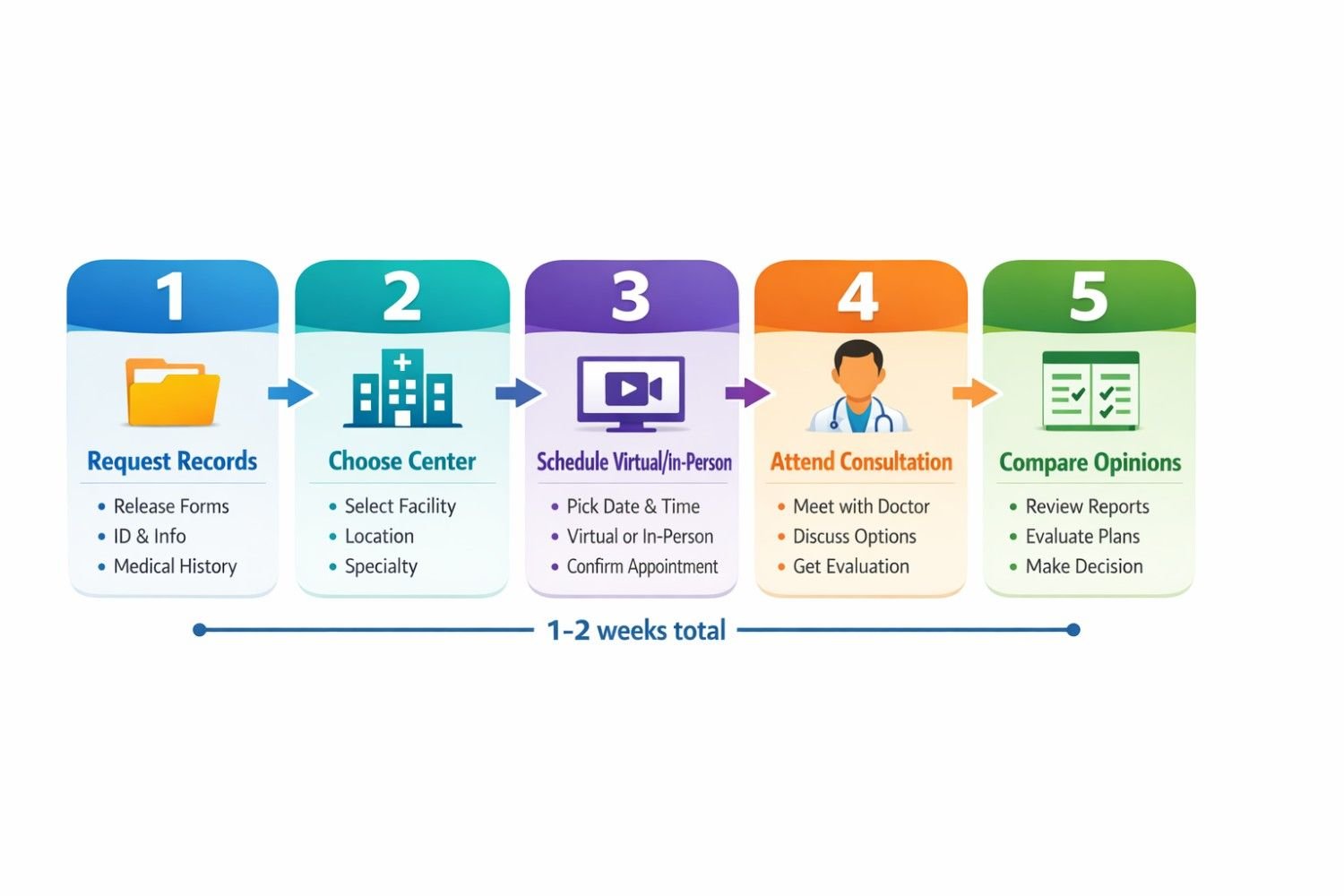
This process is simpler than you might think. First, choose where to go. Look for high-volume centers that specialize in thoracic cancer treatment in India. Major options include Tata Memorial Hospital, AIIMS, and comprehensive cancer centers at hospitals like Artemis in Gurgaon.
Next, request your records. You need your actual pathology slides (not just the written report), all imaging on CDs, and your biopsy results. Send a written request to the medical records department. This usually takes one to two weeks.
Many centers now offer virtual second opinions. You can send your records and have a video consultation. This saves travel time and gets you answers faster.
This happens more often than you'd think. Different doctors might recommend surgery versus radiation, or chemotherapy versus targeted therapy. Don't panic. Instead, ask each doctor to explain why they're recommending their approach. What are they seeing that led to this conclusion?
Sometimes disagreements come down to philosophy, not facts. One surgeon might be more aggressive, while another is more conservative. Both can be right depending on your goals and values.
If you get conflicting opinions, consider a third opinion from an academic medical center. These hospitals see the most complex cases and often have access to the latest research.
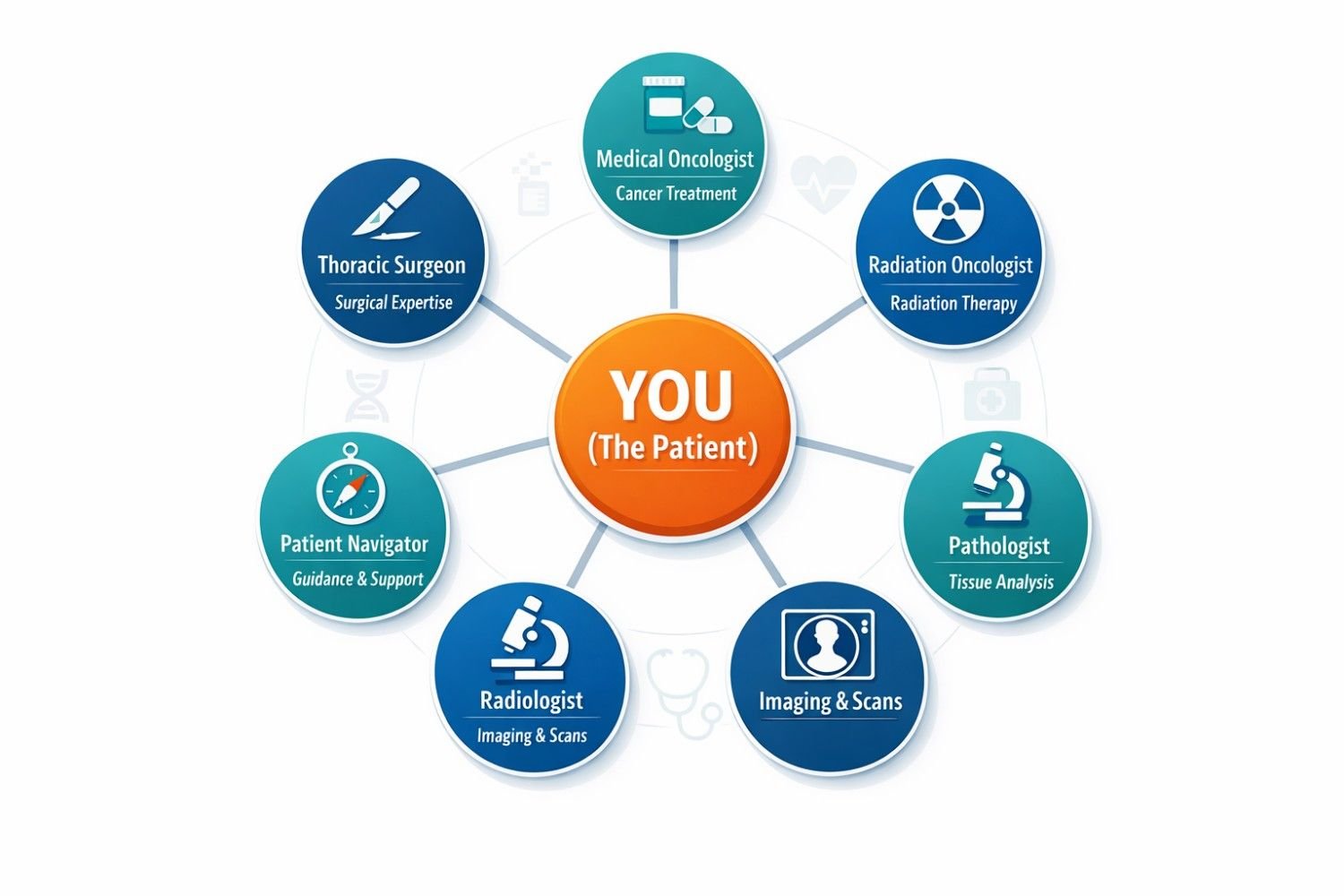
One doctor can't treat thoracic cancer alone. You need a team. This is called multidisciplinary care, and research shows it leads to better outcomes.
Your team should include:
A thoracic surgeon who specializes in chest surgeries. This person evaluates whether surgery is possible and performs the operation if needed. Ask how many thoracic surgeries they do annually. Higher volume usually means better outcomes.
A medical oncologist with thoracic focus who manages chemotherapy, immunotherapy, and targeted therapies. They often coordinate your overall care. Make sure they specialize in lung or thoracic cancers, not just general oncology.
A radiation oncologist who plans and delivers radiation treatment if needed. They work closely with your surgeon on combined approaches.
A pathologist who analyzes your tissue samples and performs biomarker testing. You might never meet them, but they play a critical role in your diagnosis.
A radiologist who interprets your scans and helps stage your cancer accurately.
A patient navigator or nurse coordinator who helps schedule appointments, answer questions, and connect you to resources. Ask if your hospital has this service.
This is a tough decision because it involves balancing expertise with convenience. Here's what matters most:
Volume of cases. Hospitals and surgeons who treat more thoracic cancer patients have better outcomes. This is proven in study after study. Ask how many cases of your specific cancer type they see annually.
Access to biomarker testing. Not all hospitals can do comprehensive next-generation sequencing (NGS). Make sure your facility has this capability or sends samples to labs that do.
Multidisciplinary tumor boards. The best cancer centers hold weekly meetings where surgeons, oncologists, radiologists, and pathologists review cases together. This collaboration leads to better treatment plans.
Clinical trial availability. Research studies offer access to new treatments before they're widely available. Ask what trials are open for your cancer type.
Distance from home. Treatment for thoracic cancer can take months. Consider whether you can travel repeatedly to a distant hospital or if a closer facility with good expertise makes more sense.
For patients seeking thoracic cancer treatment in Gurgaon or Delhi, several excellent options exist. The key is finding a center with all these elements in place.
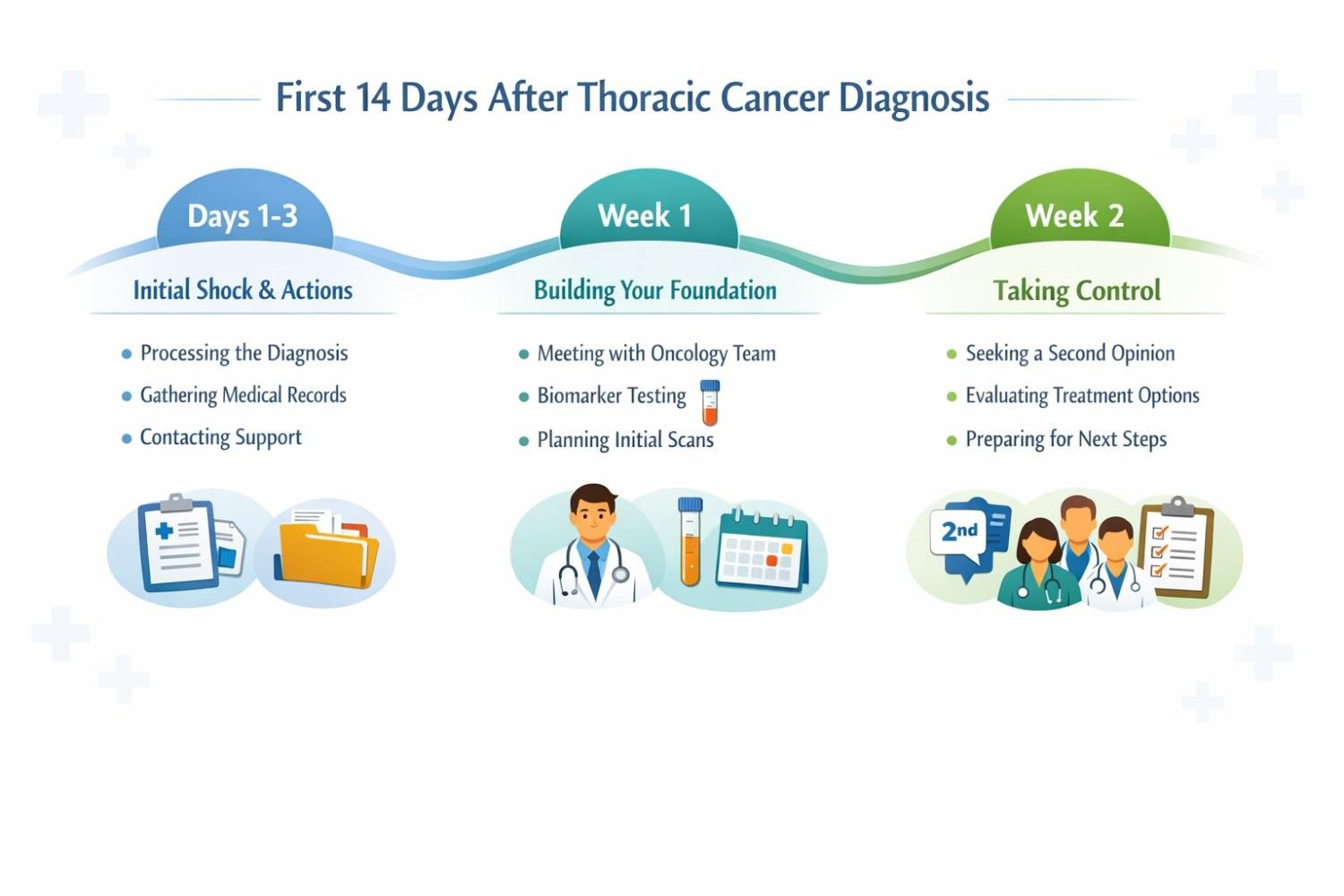
Let me give you a roadmap for the next 14 days. This takes the guesswork out of what to do when.
Get all your medical records and imaging in hand. Create your medical binder with sections for test results, treatment plans, and doctor contacts. Set up a dedicated calendar for appointments. Identify your primary support person who can attend appointments with you.
Schedule an appointment with a thoracic oncologist (not just any oncologist). Confirm that comprehensive biomarker testing has been ordered and ask when results will be ready. Start your list of questions for doctors.
Tell your immediate family and close friends. Keep the circle small for now. Contact your insurance company to understand your coverage and any pre-authorization requirements. If you're working, arrange initial time off or discuss flexibility with your employer.
Find one moderated support group online. Look for disease-specific groups (like lung cancer-specific forums) rather than general cancer groups. The experiences will be more relevant to you.
Schedule your second opinion appointment. Research clinical trials on ClinicalTrials.gov or ask your doctor specifically about available studies. Build your four-person support team. Beyond your primary support person, recruit someone to help with research, someone for emotional support, and someone to handle logistics.
Set up your communication plan. Consider using CaringBridge or a private WhatsApp group to share updates with family and friends. This prevents you from having to repeat the same information 20 times.
Meet with a financial counselor at the hospital to discuss costs and payment options. Consider whether you need mental health support and don't hesitate to ask for it. Cancer is traumatic. Seeing a therapist or counselor is smart, not weak.
Prepare your detailed question list for your oncology consultation. Bring your support person to this appointment. Create a complete list of all medications and supplements you take. Some can interfere with cancer treatment.
Most articles focus on medical information. Let me share the practical stuff that catches people off guard.
Deciding who to tell and when is harder than it sounds. You'll face questions like: Do I tell my young children now or wait? How much do I share with my elderly parents? What do I say to my boss? When do I tell extended family?
Here's my advice. Start small. Tell your closest circle first. For children, use age-appropriate language. "The doctors found something in daddy's lungs that shouldn't be there. They're going to help me get better." Don't lie, but don't overwhelm them either.
For your employer, know your rights under labor laws. You don't have to share your diagnosis immediately, but once you do, you may be entitled to medical leave. Keep it professional: "I've been diagnosed with a medical condition that requires treatment. I'm working with my doctors on a plan and will keep you informed about my work schedule."
Cancer treatment is expensive. Even with insurance, you'll face costs you didn't expect. Parking fees at the hospital add up. If you travel for treatment, there's accommodation and food. You might need special nutritional supplements. Someone might need to take time off work to care for you.
Start planning for this now. Talk to the hospital's financial counselor. Ask about payment plans. Research pharmaceutical assistance programs if you'll be on expensive medications. Look into non-profit organizations that help with costs. Many exist specifically for lung cancer and other thoracic cancers.
You'll be tempted to Google everything. Sometimes this helps. Often it overwhelms. Here's a rule I give patients: Choose three trusted sources and stick to them.
Good sources include the National Cancer Institute, the American Cancer Society, and your cancer center's website. Avoid general forums where anyone can post anything. The exception is moderated support groups run by organizations like LUNGevity or the GO2 Foundation.
Also, stop reading survival statistics. Seriously. Those numbers are often years old and don't reflect current treatments. They definitely don't reflect your specific situation. They'll just scare you unnecessarily.
Here's a common myth: Clinical trials are only for people who have run out of options. That's completely false.
Clinical trials happen at every stage of cancer. Some test new drugs for advanced disease. Others study better ways to treat early-stage cancer. Some compare different surgery techniques or radiation schedules.
Patients in clinical trials often do better than those getting standard treatment. Why? Because they're monitored more closely. They get the newest therapies. And the doctors running trials are often the top experts in that specific cancer type.
Don't assume you're not eligible. Ask your oncologist: "Are there any clinical trials I should consider?" Search ClinicalTrials.gov yourself using your cancer type and stage. Contact the study coordinators directly with questions.
Common concerns about trials include fear of getting a placebo or being a "guinea pig." In cancer trials, you rarely get a placebo. Usually, trials compare a new treatment plus standard care versus standard care alone. And all trials are heavily regulated to protect patients.
Remember Rakesh from the beginning of this article? His story didn't end with that phone call. After the initial shock, he and Anita followed these exact steps. They got his pathology slides and imaging. They scheduled appointments at two different hospitals for opinions. His biomarker testing revealed an ALK mutation. Instead of traditional chemotherapy, he started on a targeted therapy.
Today, two years later, Rakesh is back teaching. He still comes for regular scans, but his cancer is controlled. More importantly, he feels empowered by the decisions he made in those critical first weeks.
Your journey will be different from his. Your cancer is unique. Your circumstances are your own. But the principles remain the same: Get complete information. Build a strong team. Make informed decisions. Take it one step at a time.
The first two weeks after diagnosis are for gathering information, not rushing into treatment. You have time to think, plan, and choose wisely. Get comprehensive biomarker testing before starting any treatment. This single step could completely change your treatment options.
Second opinions are standard practice and essential for complex cancers. Build a multidisciplinary team, not just one doctor relationship. Choose high-volume centers with experience in thoracic cancers. Organize your medical information early. This will help throughout your treatment.
Don't face this alone. Recruit your support team now. Consider clinical trials as a first option, not a last resort. Take care of your mental health alongside your physical health. Both matter equally.
Cancer turns your world upside down. But in my 18 years of treating thoracic cancers, I've watched countless patients move from that initial shock to becoming informed, empowered participants in their care. You can do this too.
The decisions you make in these next two weeks matter. Take them seriously, but don't let fear drive them. Gather your team. Ask the hard questions. Demand complete testing. Get that second opinion. And remember that modern thoracic cancer treatment in India has advanced dramatically. We have options today that didn't exist five years ago.
What's the one action you're going to take today to start taking control of your cancer journey? Will you request those medical records? Schedule that second opinion? Reach out to that friend who can be your appointment buddy? Pick one thing. Do it now. Tomorrow, pick the next thing.
If you're looking for expert thoracic cancer treatment in Gurgaon with a team that understands both the medical and human side of this journey, we're here. But more than that, wherever you choose to receive care, make sure you're getting comprehensive, thoughtful treatment that sees you as a whole person, not just a diagnosis.
You've taken the first step by educating yourself. Keep going. You're stronger than you know.
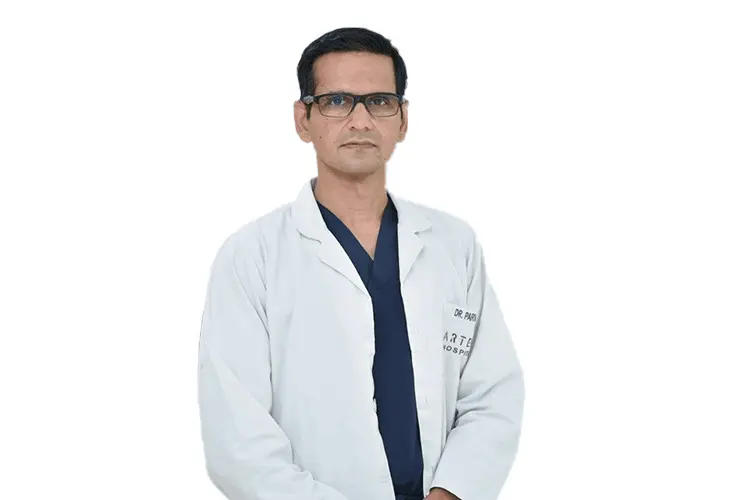
18+ Yrs Exp | 5,700+ Thoracic & Robotic Cancer Surgeries
Dr. Parveen Yadav is a Director and Senior Consultant in Thoracic and Surgical Oncology, specializing in minimally invasive and robotic lung and esophageal surgeries, with advanced training from AIIMS and Tata Memorial Hospital.
View Full Profile
Robotic vs VATS lobectomy? An expert guide to choosing the best lung cancer treatment in Gurgaon & Delhi. Learn the pros, cons, and key differences.
A lung cancer diagnosis is overwhelming. A second opinion can confirm your path, find better treatments, and give you critical peace of mind. Learn why
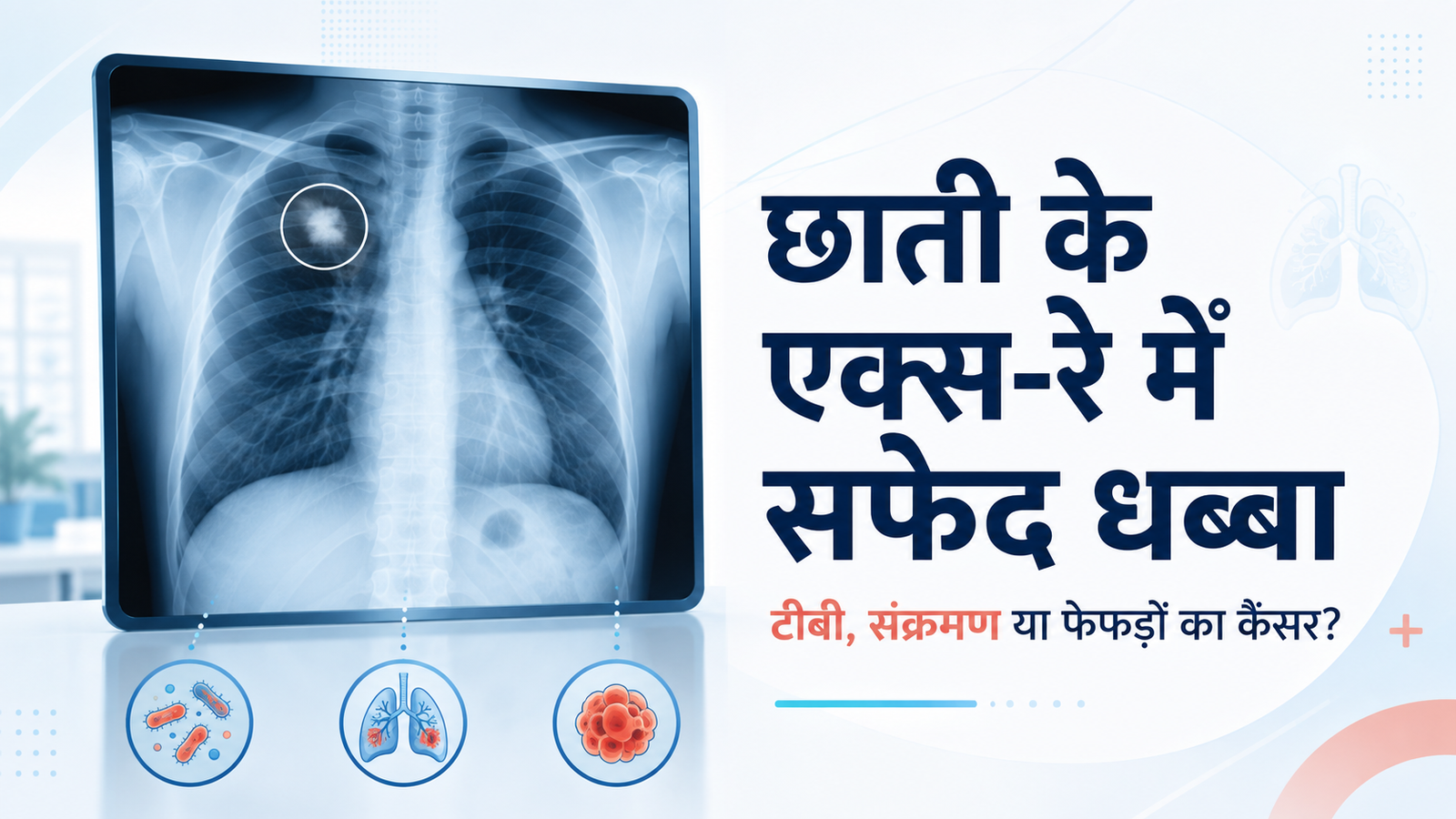
छाती के X-Ray में सफेद धब्बा दिखने का मतलब हमेशा कैंसर नहीं होता। जानें इसके संभावित कारण, टीबी और लंग कैंसर में अंतर तथा जरूरी जांच।
Copyright 2026 © Dr .Parveen Yadav all rights reserved.
Proudly Scaled by Public Media Solution!