


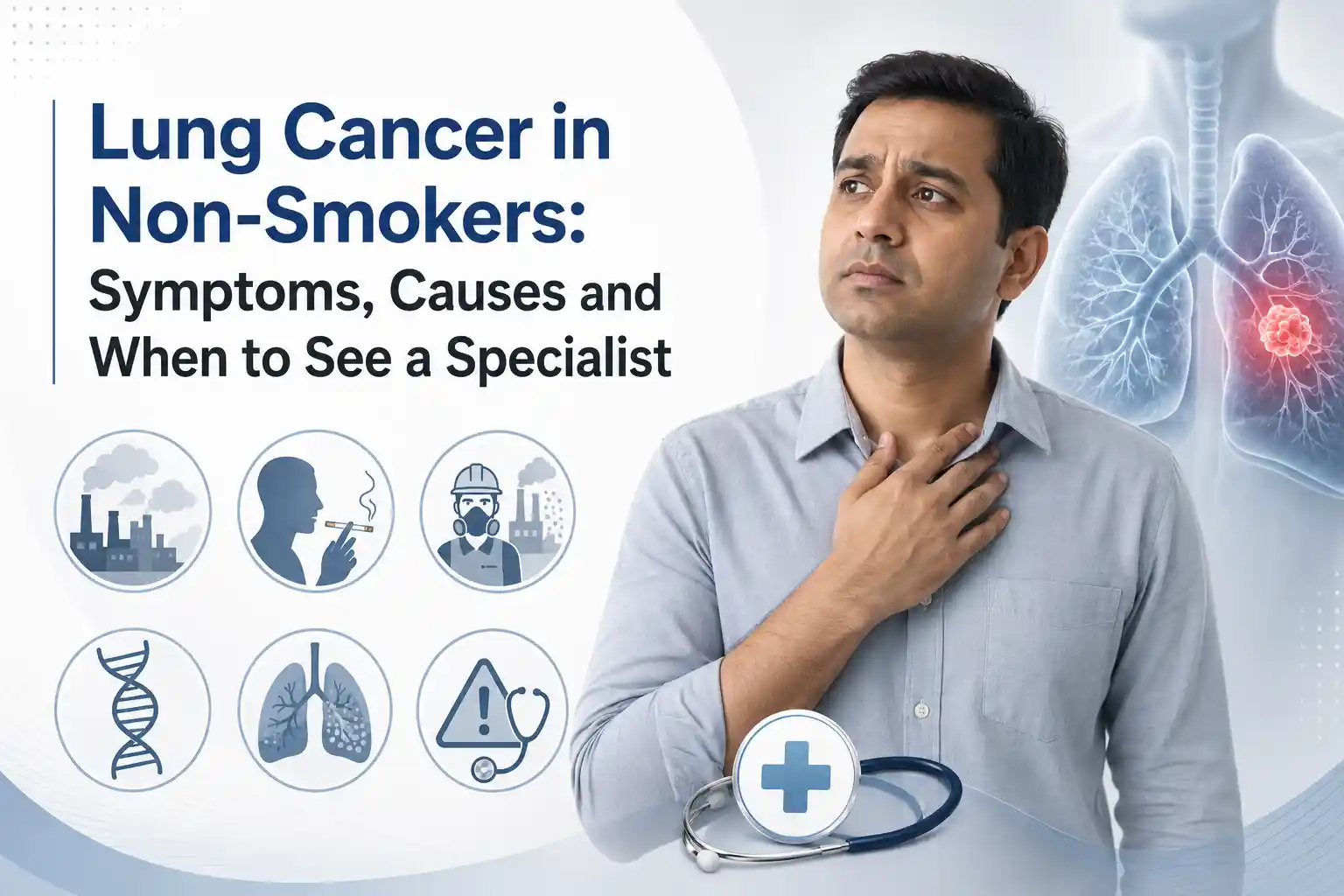
Lung cancer in non-smokers is often misunderstood. Many people still believe that lung cancer happens only to people who smoke. Because of this, non-smokers may ignore symptoms like a long-lasting cough, chest discomfort, breathlessness, voice change, or unexplained weight loss.
But the truth is different. A person who has never smoked can still develop lung cancer due to factors such as air pollution, secondhand smoke, radon exposure, workplace chemicals, family history, previous lung disease, or genetic changes. The CDC states that lung cancer can occur in people who have never smoked and lists secondhand smoke, radon, air pollution, family history, and asbestos as examples of risk factors beyond smoking.
For people in Gurgaon and Delhi NCR, where pollution, dust exposure, and urban lifestyle factors are common concerns, it is important not to delay medical evaluation. If you are searching for a lung cancer specialist near me in Gurgaon, this guide will help you understand the symptoms, causes, and right time to consult a thoracic specialist.
Lung cancer starts when abnormal cells in the lungs grow in an uncontrolled way and form a tumour. Smoking remains a major risk factor, but it is not the only cause. Non-smokers can also develop lung cancer, and in many cases, the symptoms are mistaken for allergy, pollution irritation, bronchitis, asthma, or seasonal infection.
The World Health Organization lists secondhand smoke, outdoor and household air pollution, occupational exposure such as asbestos, silica and diesel exhaust, radon exposure, chronic lung diseases, and genetic susceptibility as important lung cancer risk factors. Early symptoms may also be mild and dismissed as common respiratory problems, which can delay diagnosis.
That is why any persistent lung symptom should be taken seriously, even if the person has never smoked.
Long-term exposure to polluted air may increase lung cancer risk. Fine particles from vehicle emissions, construction dust, industrial pollution, and burning fuels can enter deep into the lungs and cause long-term irritation.
In cities like Gurgaon, Delhi NCR, Manesar, Golf Course Road, Sohna Road, and nearby urban areas, people may be exposed to pollution regularly. Pollution alone may not be the only cause, but it can become a contributing factor, especially when combined with other risks.
Non-smokers may still inhale tobacco smoke from family members, friends, colleagues, or public spaces. This is called secondhand smoke or passive smoking. Even if a person does not smoke directly, regular exposure to tobacco smoke can increase lung cancer risk, especially in closed spaces such as homes, cars, offices, or poorly ventilated areas.
The American Cancer Society notes that breathing in smoke from others can increase lung cancer risk for people who do not smoke.
Radon is a naturally occurring radioactive gas that can enter homes and buildings through soil, cracks, or foundations. It has no smell or colour, so people may not know they are exposed. High radon exposure is considered a lung cancer risk factor, especially with long-term indoor exposure.
Some people may be exposed to harmful substances at work. These may include asbestos, silica, diesel exhaust, industrial fumes, metal dust, and chemical vapours. People working in construction, manufacturing, factories, transport, mining, industrial plants, or poorly ventilated workspaces should be more careful if they develop persistent cough, breathlessness, or chest discomfort.
Some non-smokers may have a higher risk because of family history or genetic changes. In non-smoker lung cancer cases, doctors may advise molecular or biomarker testing to check for specific mutations that can guide treatment decisions. The American Lung Association explains that biomarker testing looks for changes in the tumour DNA and may help doctors identify targeted therapy options.
People with a history of tuberculosis, repeated lung infections, lung scarring, COPD, or chronic inflammation may need closer monitoring. A new cough, worsening breathlessness, or repeated chest infection should not be ignored.
The symptoms of lung cancer in non-smokers are usually similar to those seen in smokers. However, non-smokers often delay consultation because they do not consider themselves at risk. The American Cancer Society lists persistent cough, coughing up blood or rust-coloured sputum, chest pain, hoarseness, appetite loss, unexplained weight loss, shortness of breath, tiredness, repeated bronchitis or pneumonia, and new wheezing as common symptoms.
A cough due to cold or infection usually improves with time. But if the cough continues, comes back repeatedly, or is associated with blood, breathlessness, chest pain, or weight loss, it needs medical evaluation.
Important: If you are a non-smoker and your cough has lasted for more than three weeks, or if you have blood in cough, unexplained weight loss, chest pain, breathlessness, repeated chest infections, or a persistent hoarse voice, do not wait. Lung cancer in non-smokers is often diagnosed late because symptoms are ignored or treated as minor respiratory problems.
Concerned about persistent lung symptoms? Book a consultation with a thoracic specialist or lung cancer treatment in Gurgaon
You should consult a lung cancer specialist or thoracic specialist if symptoms continue for more than two to three weeks or keep coming back despite routine treatment. This becomes even more important if your X-ray, CT scan, PET-CT, or biopsy report shows a suspicious spot, nodule, mass, or abnormal finding.
See a specialist if you notice:
If you are searching for lung cancer specialist near me in Gurgaon, it is better to consult a thoracic specialist early instead of repeatedly taking cough medicines or antibiotics without a proper diagnosis.
Diagnosis starts with a detailed consultation. The doctor may ask about symptoms, family history, pollution exposure, workplace history, previous lung infections, and earlier medical reports.
The American Cancer Society explains that most lung cancers are found because they cause symptoms, and the actual diagnosis is made by examining a sample of lung cells in the lab. Imaging tests such as chest X-ray and CT scan help identify suspicious areas, while biopsy confirms the diagnosis.
Treatment depends on the stage of cancer, type of tumour, size, location, lymph node involvement, molecular testing, and patient fitness. The treatment plan is not the same for every patient.
If lung cancer is detected early and is operable, surgery may be recommended. Surgery may involve removing the tumour, a small lung segment, one lobe of the lung, or a larger part depending on the case.
In suitable patients, minimally invasive surgery, VATS, or robotic surgery may help reduce incision size, post-operative pain, hospital stay, and recovery time compared to traditional open surgery.
Some patients may need chemotherapy, radiation therapy, immunotherapy, targeted therapy, or a combination of treatments. In non-smokers, targeted therapy may be useful when specific gene mutations are found.
If you have been diagnosed with lung cancer or advised surgery, taking a second opinion can help confirm the diagnosis, stage, and treatment plan. This is especially useful when reports are unclear, surgery has been suggested, or the patient wants to understand all possible options get second opinion for lung cancer.
Lung cancer treatment needs more than general medical care. It requires accurate diagnosis, staging, biopsy planning, surgical decision-making, lymph node evaluation, and long-term follow-up.
A thoracic specialist focuses on diseases of the chest, lungs, airways, mediastinum, and esophagus. This focused experience becomes important when deciding whether the patient needs biopsy, surgery, robotic surgery, chemotherapy, radiation, or a combined treatment plan.
For patients in Gurgaon, consulting a thoracic specialist early can help avoid delay and improve treatment planning. Chest Surgery India highlights Dr. Parveen Yadav as a thoracic and robotic surgery specialist with experience in minimally invasive thoracic and robotic onco surgeries.
Not every case can be prevented, but risk can be reduced through awareness and early action. The aim is to reduce avoidable exposure and avoid delays when symptoms appear.
Lung cancer in non-smokers is real, and it can be missed when symptoms are ignored. A persistent cough, blood in cough, breathlessness, chest pain, hoarseness, repeated lung infections, or unexplained weight loss should never be taken lightly.
If you live in Gurgaon, Delhi NCR, Manesar, Sohna Road, Golf Course Road, or nearby areas and are searching for a lung cancer specialist near me, consult a thoracic specialist for timely evaluation.
Yes. Non-smokers can develop lung cancer due to secondhand smoke, air pollution, workplace exposure, radon, family history, genetic changes, or previous lung disease.
Common symptoms include persistent cough, blood in cough, chest pain, breathlessness, hoarseness, unexplained weight loss, loss of appetite, fatigue, and repeated lung infections.
A non-smoker should see a specialist if cough lasts more than three weeks, if there is blood in cough, chest pain, breathlessness, repeated infection, unexplained weight loss, or a suspicious CT scan finding.
Long-term exposure to air pollution is considered a lung cancer risk factor. People living in highly polluted areas should not ignore persistent respiratory symptoms.
A biopsy confirms lung cancer. CT scan, PET-CT, bronchoscopy, and other tests help detect, stage, and plan treatment.
Yes. Treatment depends on the stage, type of tumour, molecular testing, and patient health. Options may include surgery, robotic surgery, chemotherapy, radiation, immunotherapy, or targeted therapy.
Yes. A second opinion can help confirm diagnosis, staging, and the most suitable treatment plan, especially before major surgery or cancer treatment.
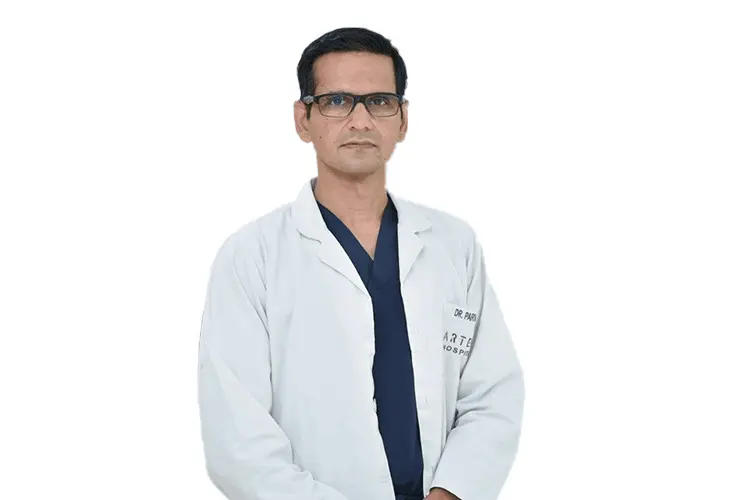
18+ Yrs Exp | 5,700+ Thoracic & Robotic Cancer Surgeries
Dr. Parveen Yadav is a Director and Senior Consultant in Thoracic and Surgical Oncology, specializing in minimally invasive and robotic lung and esophageal surgeries, with advanced training from AIIMS and Tata Memorial Hospital.
View Full Profile
Robotic vs VATS lobectomy? An expert guide to choosing the best lung cancer treatment in Gurgaon & Delhi. Learn the pros, cons, and key differences.
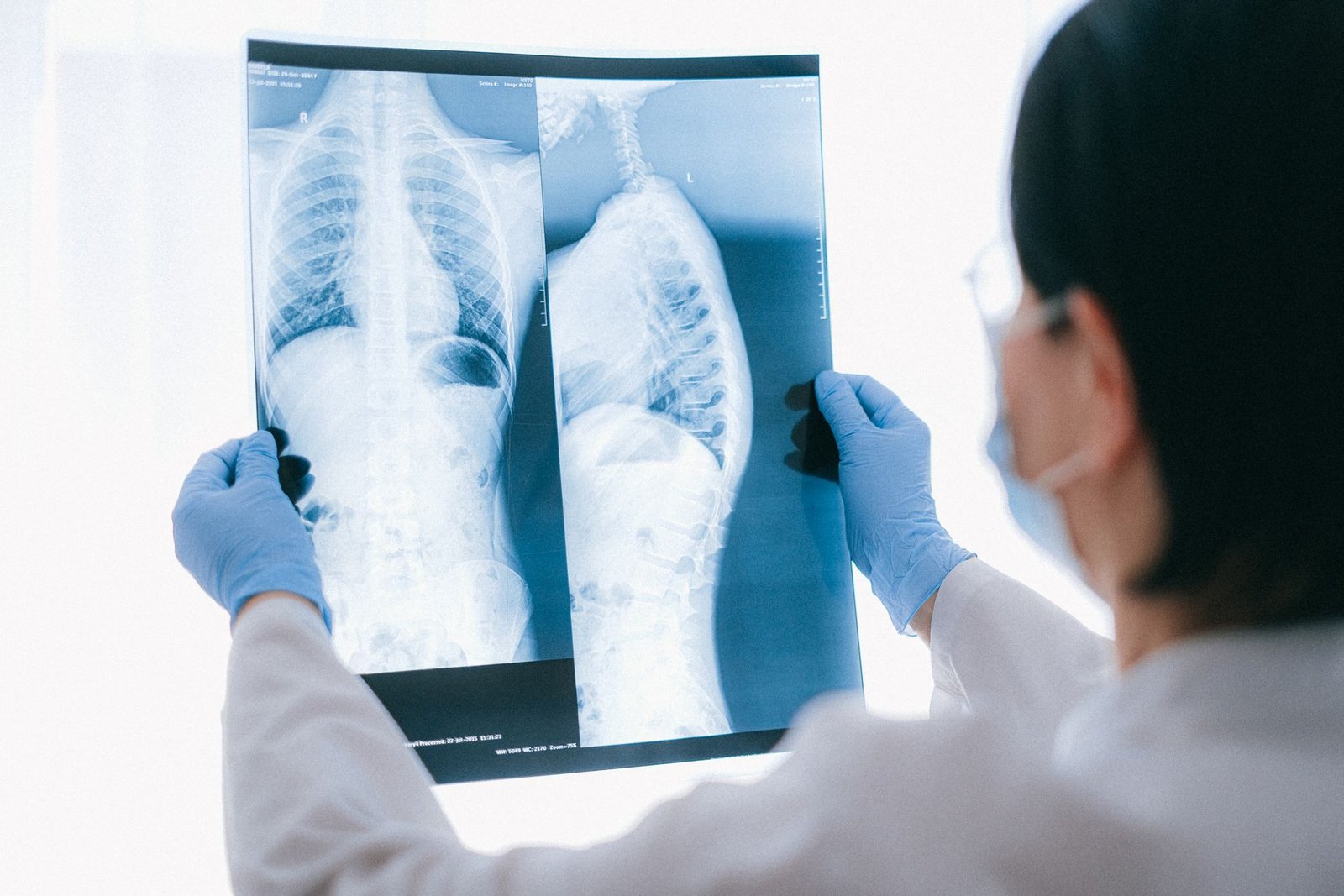
A lung cancer diagnosis is overwhelming. A second opinion can confirm your path, find better treatments, and give you critical peace of mind. Learn why
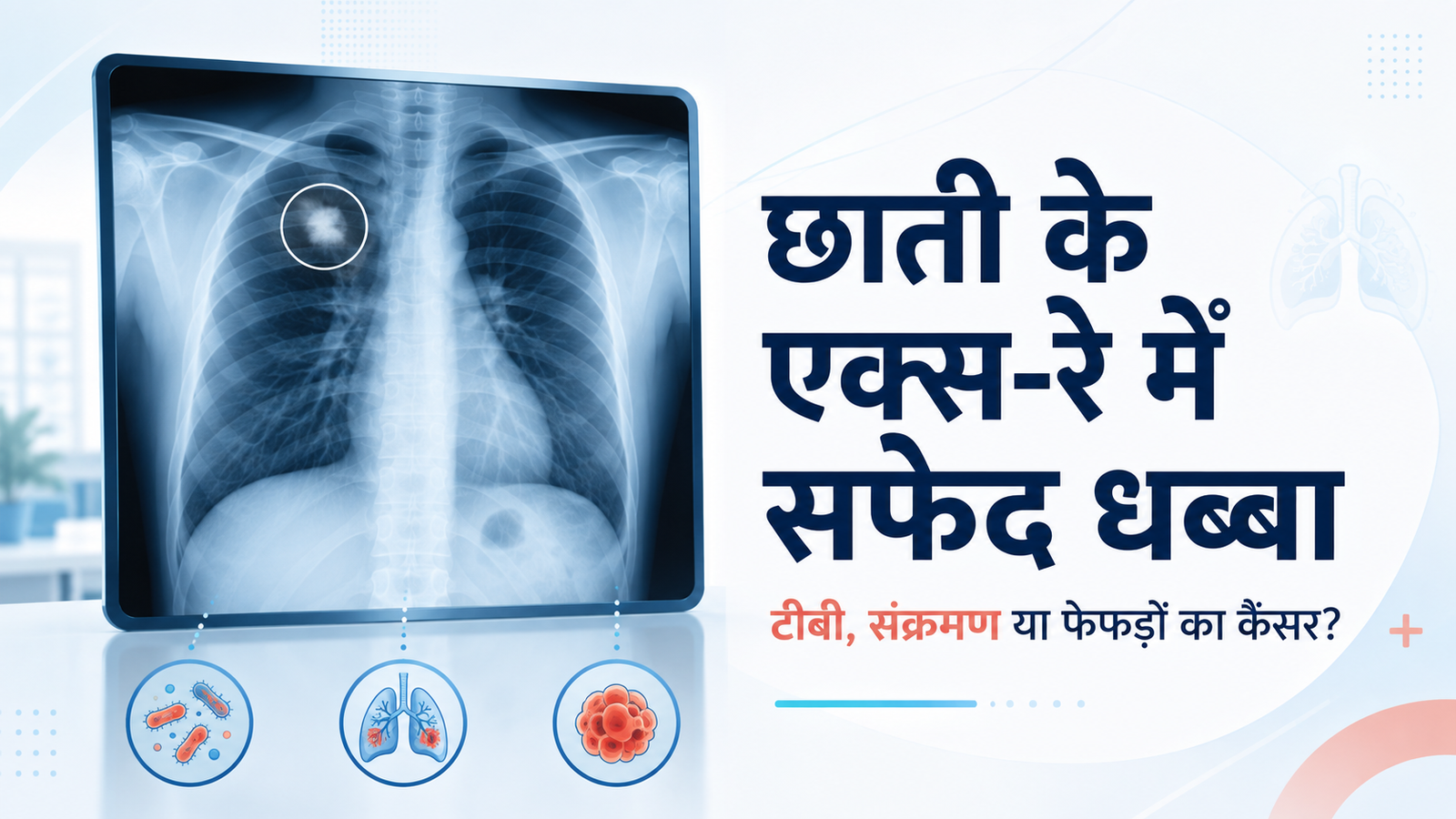
छाती के X-Ray में सफेद धब्बा दिखने का मतलब हमेशा कैंसर नहीं होता। जानें इसके संभावित कारण, टीबी और लंग कैंसर में अंतर तथा जरूरी जांच।
Copyright 2026 © Dr .Parveen Yadav all rights reserved.
Proudly Scaled by Public Media Solution!