



Recovery after food pipe cancer surgery takes time, patience, and proper guidance. Many patients and caregivers search for an esophageal cancer surgery recovery timeline because they want to know what happens after surgery, when eating starts, how long pain lasts, when walking begins, and when life starts feeling normal again.
Esophageal cancer surgery, also called esophagectomy, is a major operation. It may involve removing part or most of the esophagus, removing nearby lymph nodes, and rebuilding the food passage using the stomach or another organ. Mayo Clinic explains that esophagectomy removes some or all of the esophagus and reconstructs it, most commonly using the stomach.
Recovery is different for every patient. Age, cancer stage, nutrition, lung health, heart health, surgery type, chemotherapy or radiation history, and complications can all affect healing.
This guide explains what patients and families can generally expect from the first week to 3 months after esophageal cancer surgery.
Esophageal cancer surgery is not like a simple abdominal surgery. It affects the food pipe, stomach position, chest, lungs, swallowing, digestion, and nutrition. After surgery, patients may need to learn new eating habits because the stomach may become smaller or may be moved upward to create a new food passage.
Mayo Clinic notes that after esophagectomy, tube feeding may be recommended until the patient can tolerate a regular diet and maintain weight. Once regular diet resumes, smaller and more frequent meals are usually needed because of the reduced stomach size.
This is why recovery is not only about wound healing. It is also about breathing well, walking safely, eating correctly, maintaining weight, managing reflux, and attending follow-up visits.
The first 24 to 48 hours are usually focused on monitoring and safety. The patient may be shifted to ICU or a high-dependency area depending on the hospital protocol and patient condition.
During this phase, the care team monitors:
Some patients may have chest tubes, abdominal drains, urinary catheter, IV lines, oxygen support, or a feeding tube. These are used to support recovery and monitor healing.
Pain is expected after surgery, but it should be controlled with medicines. Good pain control is important because the patient needs to breathe deeply, cough, and start moving.
Mayo Clinic lists possible esophagectomy risks such as pneumonia, bleeding, infection, cough, leakage from the surgical connection, reflux, swallowing difficulty, nausea, vomiting, diarrhea, and heart rhythm issues.
The first week is usually the most closely monitored phase. The care team focuses on breathing, pain, walking, nutrition, and checking for complications.
Because esophageal cancer surgery involves the chest, lung care is very important. Patients may be asked to use a spirometer, cough with support, sit upright, and do breathing exercises. These exercises help reduce the risk of pneumonia and lung collapse.
The American Cancer Society notes that lung complications such as pneumonia can happen after esophageal surgery and may lead to a longer hospital stay.
Patients are usually encouraged to sit, stand, and walk as soon as medically safe. Walking helps reduce the risk of blood clots, improves breathing, and builds confidence.
At first, walking may be only a few steps with support. Over the next few days, the distance usually increases.
Many patients do not start normal eating immediately after surgery. Nutrition may be given through a feeding tube or IV support depending on the case. Oral liquids are started only when the surgeon feels it is safe.
The goal is to protect the new food pipe connection while still giving the body enough nutrition to heal.
Pain medicines are adjusted based on patient comfort. Drains are checked regularly. If the patient is improving and drain output is safe, some tubes may be removed gradually.
Some patients may go home during the second week, depending on recovery, healing, eating tolerance, lung function, pain control, and absence of complications. Others may need a longer hospital stay.
Before discharge, the patient and family should understand:
This is also the time when caregivers become very important. The patient may feel weak, emotional, or anxious. Support at home should be organized before discharge.
The first month after esophageal cancer surgery is about slow adjustment. The patient may not feel hungry. Food quantity may be very small. Weight loss can happen.
Common instructions may include:
For Indian patients, soft foods such as dal soup, thin khichdi, curd, soft idli, blended vegetables, protein supplements, and soft scrambled eggs may be advised depending on individual tolerance. Chest Surgery India has a dedicated guide on Indian diet after esophageal cancer surgery, which can be internally linked from this section.
By weeks 4 to 6, many patients start feeling more stable, but tiredness is still common. Walking distance may improve. Pain may reduce. Sleep may improve. Food tolerance may become better, but large meals are still difficult.
Patients should not rush recovery. Even if the outside wounds look healed, internal healing continues.
During this time, the doctor may review:
The final pathology report after surgery is important because it shows tumor response, margins, lymph node status, and whether further treatment may be needed.
Many patients may begin doing more light activities around this time, depending on medical advice. This may include walking outside, light household activity, personal care, and simple daily tasks.
However, heavy lifting, intense exercise, long travel, and driving should be resumed only after the surgeon approves.
This phase is also when patients may become frustrated because recovery is slower than expected. Appetite may still be low. Reflux may occur. Swallowing may feel different. The patient may feel full quickly.
These changes are common after esophagectomy, but they should be discussed during follow-up.
By the second and third month, many patients start adapting to a new routine. Energy levels may improve. The patient may tolerate a wider variety of foods. Walking and breathing capacity may improve. Weight may stabilize if nutrition is managed well.
Still, some symptoms may continue, including:
Mayo Clinic notes that follow-up care after esophagectomy may include lung therapy, pain management for heartburn and swallowing problems, nutritional assessment for weight loss, and psychosocial care if needed.
NCI also notes that follow-up tests and check-ups may be repeated during and after treatment to see how well treatment is working and whether cancer has come back.
Diet is one of the most important parts of recovery. After esophagectomy, the stomach may not work exactly like before. The patient may need smaller meals for a long time.
Helpful eating habits include:
Patients should follow their own surgeon’s diet instructions because recovery differs from case to case.
Patients should contact the doctor urgently if they notice:
The American Cancer Society lists possible complications after esophageal surgery, including lung complications, infection, leak at the surgical connection, swallowing narrowing, nausea, vomiting, reflux, and other serious risks.
Do not wait at home if symptoms are severe.
Some patients undergo robotic or minimally invasive esophagectomy. These approaches may use smaller incisions and may support reduced pain and faster recovery in selected patients. Mayo Clinic notes that minimally invasive esophagectomy, including robot-assisted techniques when appropriate, can be done through several small cuts and may result in reduced pain and faster recovery compared with conventional surgery.
However, internal healing still takes time. Patients should not eat solid food too early or resume heavy activity just because the cuts are small.
Follow-up visits help the doctor monitor healing, diet, weight, breathing, pain, swallowing, and cancer control. Some patients may need chemotherapy or radiation after surgery based on the final pathology report.
Follow-up is also important for detecting complications such as narrowing at the connection site, reflux, poor nutrition, weight loss, or recurrence.
Patients should keep all reports organized and bring them to every follow-up visit.
Recovery is influenced by the quality of surgery, complication prevention, postoperative care, and follow-up planning. Esophageal cancer surgery should ideally be handled by a surgeon and team experienced in thoracic oncology.
Dr. Parveen Yadav is listed as Chief and Senior Consultant, Thoracic Surgery and Surgical Oncology, with 18+ years of experience in minimally invasive thoracic and robotic onco surgeries at Artemis Hospital, Gurgaon. His profile also mentions more than 5,700 major thoracic procedures and over 1,000 surgeries for esophageal cancer and other esophageal diseases.
For patients looking for esophageal cancer treatment in Gurgaon, this experience supports trust and confidence during both surgery and recovery planning.
The esophageal cancer surgery recovery timeline usually moves in stages. The first week focuses on monitoring, breathing, pain control, walking, and nutrition support. Weeks 2 to 4 focus on home recovery, wound care, diet adjustment, and strength building. Weeks 4 to 8 bring gradual improvement in stamina and eating. By 2 to 3 months, many patients begin adapting to a new routine, although reflux, early fullness, weight changes, and tiredness may continue.
Recovery is not the same for every patient. The safest approach is to follow the surgeon’s instructions, attend follow-up visits, maintain nutrition, do breathing exercises, and report warning signs early.
If you or your loved one is preparing for food pipe cancer surgery or recovering after esophagectomy, consult Dr. Parveen Yadav at Artemis Hospital, Sector 51, Gurgaon. You can also request a second opinion from a thoracic surgeon before or after surgery to understand the treatment plan more clearly.
Recovery varies by patient. Many patients need several weeks to regain strength, adjust to eating, and resume daily activities. Full recovery can take 2 to 3 months or longer depending on health, surgery type, nutrition, and complications.
Eating usually starts gradually and only after the surgeon confirms it is safe. Some patients receive feeding through a tube initially. Liquids and soft foods are introduced step by step.
After surgery, the stomach may be smaller or repositioned. This reduces food storage capacity, so patients usually need smaller and more frequent meals.
Some weight loss can happen after esophagectomy. However, ongoing or severe weight loss should be discussed with the doctor or dietitian.
Warning signs include fever, breathlessness, worsening pain, persistent vomiting, severe difficulty swallowing, wound infection, black stools, blood in vomit, or inability to take fluids.
Many patients return to daily life after recovery, but eating habits may change permanently. Patients may need smaller meals, reflux control, regular follow-up, and long-term nutrition monitoring.
In selected patients, robotic or minimally invasive surgery may reduce pain and support faster early recovery. However, internal healing still takes time, and diet instructions must be followed carefully.
Patients can consult Dr. Parveen Yadav at Artemis Hospital, Sector 51, Gurgaon, for esophageal cancer surgery recovery guidance and follow-up care.
Reference :
https://www.mayoclinic.org/tests-procedures/esophagectomy/about/pac-20385084
https://www.cancer.org/cancer/types/esophagus-cancer/treating/surgery.html
https://www.cancer.gov/types/esophageal/treatment

18+ Yrs Exp | 5,700+ Thoracic & Robotic Cancer Surgeries
Dr. Parveen Yadav is a Director and Senior Consultant in Thoracic and Surgical Oncology, specializing in minimally invasive and robotic lung and esophageal surgeries, with advanced training from AIIMS and Tata Memorial Hospital.
View Full Profile
Robotic vs VATS lobectomy? An expert guide to choosing the best lung cancer treatment in Gurgaon & Delhi. Learn the pros, cons, and key differences.
A lung cancer diagnosis is overwhelming. A second opinion can confirm your path, find better treatments, and give you critical peace of mind. Learn why
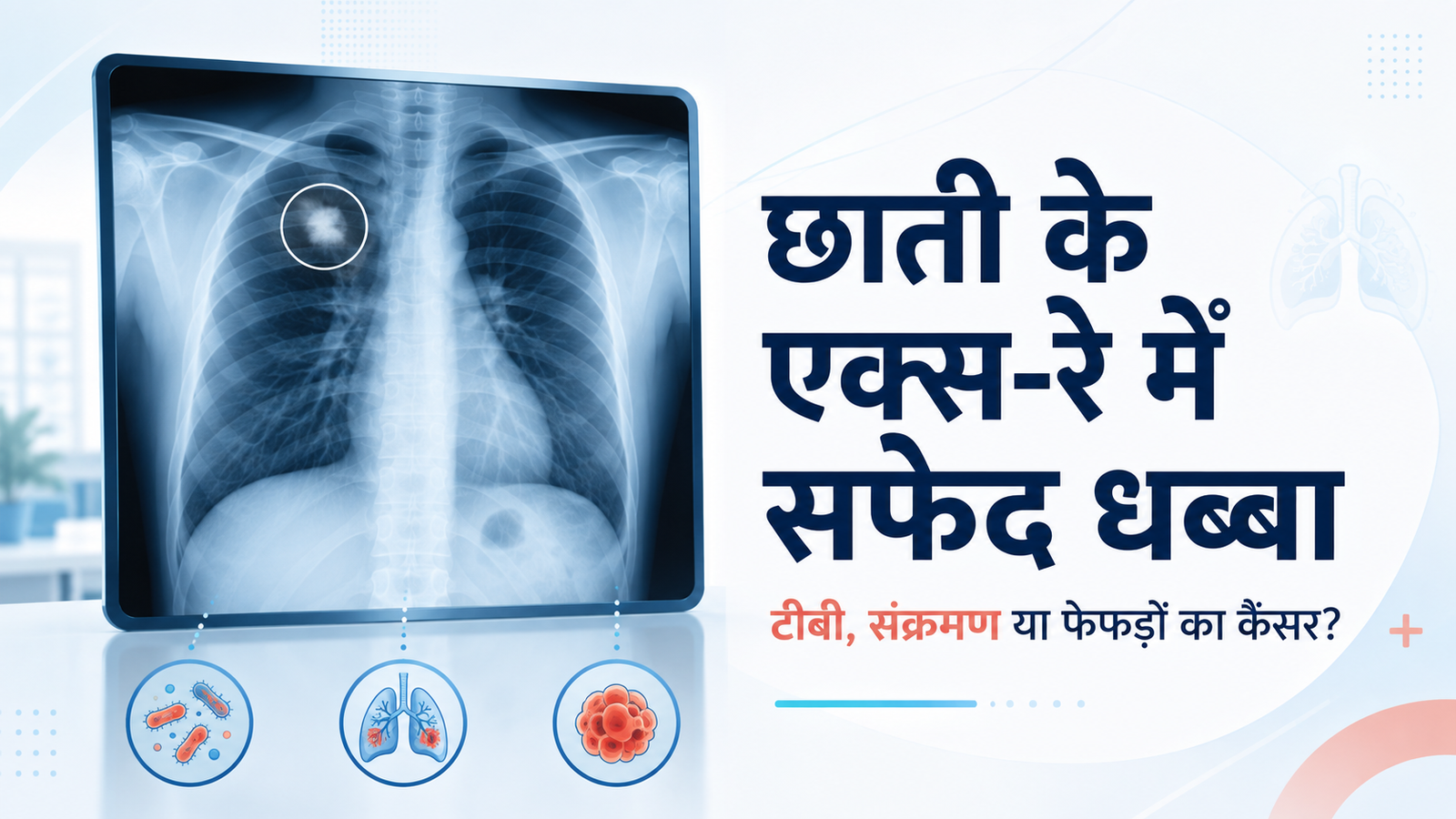
छाती के X-Ray में सफेद धब्बा दिखने का मतलब हमेशा कैंसर नहीं होता। जानें इसके संभावित कारण, टीबी और लंग कैंसर में अंतर तथा जरूरी जांच।
Copyright 2026 © Dr .Parveen Yadav all rights reserved.
Proudly Scaled by Public Media Solution!