


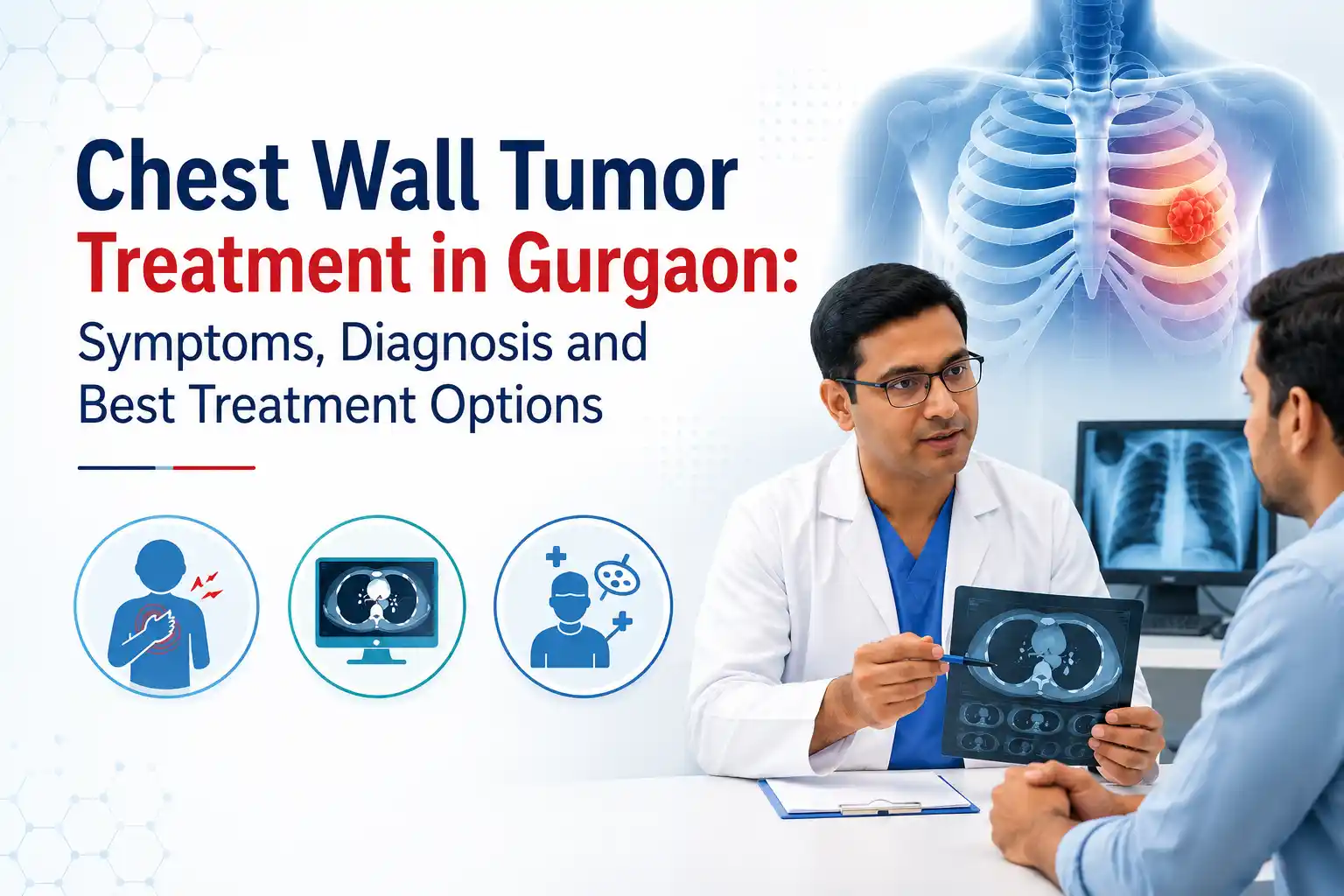
Chest wall tumor treatment in Gurgaon is something many patients search for only after they notice a persistent lump, swelling, or chest pain that does not go away. Naturally, this can feel worrying. The good news is that early diagnosis and specialist care can make a major difference. If you or a loved one are looking for chest wall tumor treatment in Gurgaon, understanding the symptoms, diagnostic process, and available treatment options is the first step toward timely care.
Chest wall tumors are uncommon, but they should never be ignored. Some are benign, while others can be cancerous and may need advanced treatment from an experienced thoracic surgeon. For patients in Gurgaon, Delhi NCR, and nearby areas, getting evaluated by a specialist early can help avoid delays and improve outcomes.
A chest wall tumor is an abnormal growth that develops in the chest wall, which includes the ribs, muscles, cartilage, connective tissues, and sternum. These tumors may arise directly from the chest wall or may spread there from another part of the body.
Broadly, chest wall tumors are of two types:
These start in the tissues of the chest wall itself. They may be benign or malignant.
These spread to the chest wall from another cancer elsewhere in the body. Because the chest wall protects vital organs like the lungs and heart, any abnormal growth in this area should be evaluated carefully. To understand the condition better, patients can also read about the types of chest wall tumours and how they are treated.
The symptoms of a chest wall tumor can vary depending on the size, type, and location of the growth. In some cases, symptoms are mild in the beginning, which is why many patients delay seeking medical help.
Some tumors are painless at first. Others may gradually cause discomfort as they grow and start affecting surrounding tissues.
If you have chest pain with a lump, unexplained swelling, or any chest wall abnormality that continues for weeks, it is best to consult a specialist. You can also learn more about the early signs of chest wall tumors to understand when symptoms need medical attention.
Many people assume a chest wall lump is related to muscle strain, infection, or a minor injury. While that may sometimes be true, it is important not to self-diagnose.
If you are searching for chest wall tumor treatment near me in Gurgaon, the right approach is to consult a thoracic or chest surgeon experienced in managing chest wall conditions. Patients can also explore more about Dr. Parveen Yadav chest surgeon in Gurgaon to understand his expertise in thoracic and robotic surgery.
Accurate diagnosis is the foundation of effective chest wall tumor treatment in Gurgaon. Since not all lumps are cancerous, the goal is to identify the exact nature of the tumor before deciding on treatment.
The doctor begins with a detailed history and physical examination. This includes understanding your symptoms, how long they have been present, and whether the swelling is painful or growing.
Imaging helps assess the location, size, and extent of the tumor. Common tests include:
These scans help doctors understand whether the tumor involves bone, cartilage, or soft tissue, and whether nearby structures are affected.
A biopsy may be advised to confirm the diagnosis. During a biopsy, a small sample of the tumor is taken and examined under a microscope. This helps determine whether the tumor is benign or malignant.
If the tumor is cancerous, the specialist may recommend further tests to understand its stage and whether it has spread. This step is important for planning surgery, chemotherapy, radiation, or a combined treatment approach.
For a deeper understanding, patients can refer to this guide on chest wall tumour diagnosis and insights.
Here are the main treatment options.
Surgery is often the primary treatment for chest wall tumors, especially when the tumor can be safely removed. The aim is to remove the tumor completely while preserving as much healthy tissue as possible.
In some cases, surgery may also involve reconstructing the chest wall if a significant portion of tissue, rib, or cartilage needs to be removed.
Patients can read more about cutting-edge chest wall tumor removal techniques to understand how advanced surgical planning may help in complex cases.
If the tumor removal creates a defect in the chest wall, reconstruction may be needed to maintain chest stability and support normal breathing. Reconstruction may involve mesh, synthetic materials, or other surgical techniques depending on the size of the defect.
Chemotherapy may be advised if the tumor is malignant. It may be given before surgery to shrink the tumor, after surgery to reduce recurrence risk, or as part of treatment for advanced disease.
Radiation may be recommended in selected cases, especially when the tumor is cancerous, difficult to remove completely, or carries a high risk of recurrence.
In selected thoracic conditions, minimally invasive and robotic-assisted surgery can offer benefits such as smaller incisions, less pain, and faster recovery. However, suitability depends on the tumor’s size, location, and complexity.
Patients who want to understand advanced surgical approaches can read this guide on minimally invasive and robotic thoracic surgery.
One of the first questions patients ask is whether a chest wall tumor is cancer. The answer is not always obvious without imaging and biopsy.
These are non-cancerous and may grow slowly. Still, they may require treatment if they are painful, enlarging, or affecting chest movement.
These are cancerous and need timely treatment. Malignant chest wall tumors may arise from bone, cartilage, muscle, or connective tissue. Some may also spread from another cancer.
This is why a specialist diagnosis is so important. A small lump should never be ignored simply because it is not painful.
Chest wall tumor treatment often needs a combination of accurate diagnosis, surgical precision, and long-term follow-up. This is why choosing the right chest surgeon in Gurgaon matters.
For people looking for chest wall tumor treatment in Gurgaon, specialist-led care at an established centre can provide more confidence and clarity throughout the treatment journey. You can also know more about Dr. Parveen Yadav, his experience, and his work in thoracic and surgical oncology.
Recovery depends on the type of tumor and the treatment used. After surgery, the patient may need time for pain control, wound healing, breathing exercises, and gradual return to normal activity.
Your surgeon will explain what to expect based on your case. Following the recovery plan carefully can support better healing and long-term outcomes.
If you are searching online for chest wall tumor treatment near me, do not wait until the symptoms become severe. A persistent chest lump, pain, or swelling deserves medical attention, especially if symptoms are getting worse or not improving.
Patients from Gurgaon, Sector 51, Delhi NCR, and nearby areas should consider early consultation with a thoracic surgery specialist for timely evaluation. You can book a consultation to discuss symptoms, reports, and treatment options.
Chest wall tumors may be uncommon, but they require serious attention. The symptoms can start subtly, yet early diagnosis plays a major role in choosing the right treatment and improving outcomes. Whether the tumor is benign or malignant, proper evaluation through scans, biopsy, and specialist consultation helps guide the best plan.
Note: This content is for informational purposes only and should not replace medical advice. Please consult a qualified doctor or thoracic surgeon for diagnosis and treatment related to chest wall tumors.
1. What are the symptoms of a chest wall tumor?
Chest wall tumor symptoms may include a lump on the chest, swelling, chest pain, tenderness, shortness of breath, and reduced chest movement.
2. Is every chest wall tumor cancerous?
No, not every chest wall tumor is cancerous. Some are benign, while others are malignant. Imaging and biopsy are needed to confirm the diagnosis.
3. How is chest wall tumor treatment in Gurgaon planned?
Treatment is planned after clinical evaluation, imaging tests like CT or MRI, and biopsy. Depending on the diagnosis, treatment may include surgery, chemotherapy, radiation, or reconstruction.
4. Which doctor should I consult for chest wall tumor treatment near me?
You should consult a thoracic surgeon or chest surgeon experienced in managing chest wall tumors and related thoracic conditions.
5. Can a chest wall tumor be treated with surgery?
Yes, surgery is one of the most common treatment options for chest wall tumors, especially when the tumor is localized and removable.
6. How do I know if a chest lump needs urgent attention?
If the lump is growing, painful, associated with breathing difficulty, or present for more than a few weeks, it should be checked by a specialist as soon as possible.
7. Where can I get a second opinion for chest wall tumor treatment?
You can get a free second opinion from an experienced thoracic surgery team before deciding on surgery or any major treatment plan.
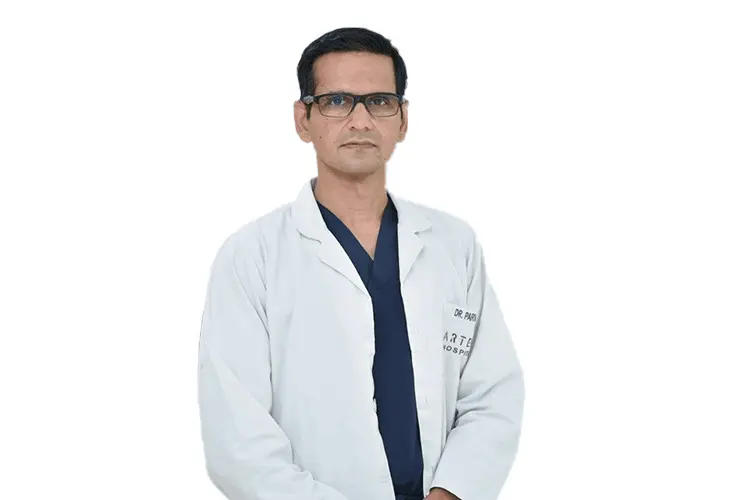
18+ Yrs Exp | 5,700+ Thoracic & Robotic Cancer Surgeries
Dr. Parveen Yadav is a Director and Senior Consultant in Thoracic and Surgical Oncology, specializing in minimally invasive and robotic lung and esophageal surgeries, with advanced training from AIIMS and Tata Memorial Hospital.
View Full Profile
Robotic vs VATS lobectomy? An expert guide to choosing the best lung cancer treatment in Gurgaon & Delhi. Learn the pros, cons, and key differences.
A lung cancer diagnosis is overwhelming. A second opinion can confirm your path, find better treatments, and give you critical peace of mind. Learn why
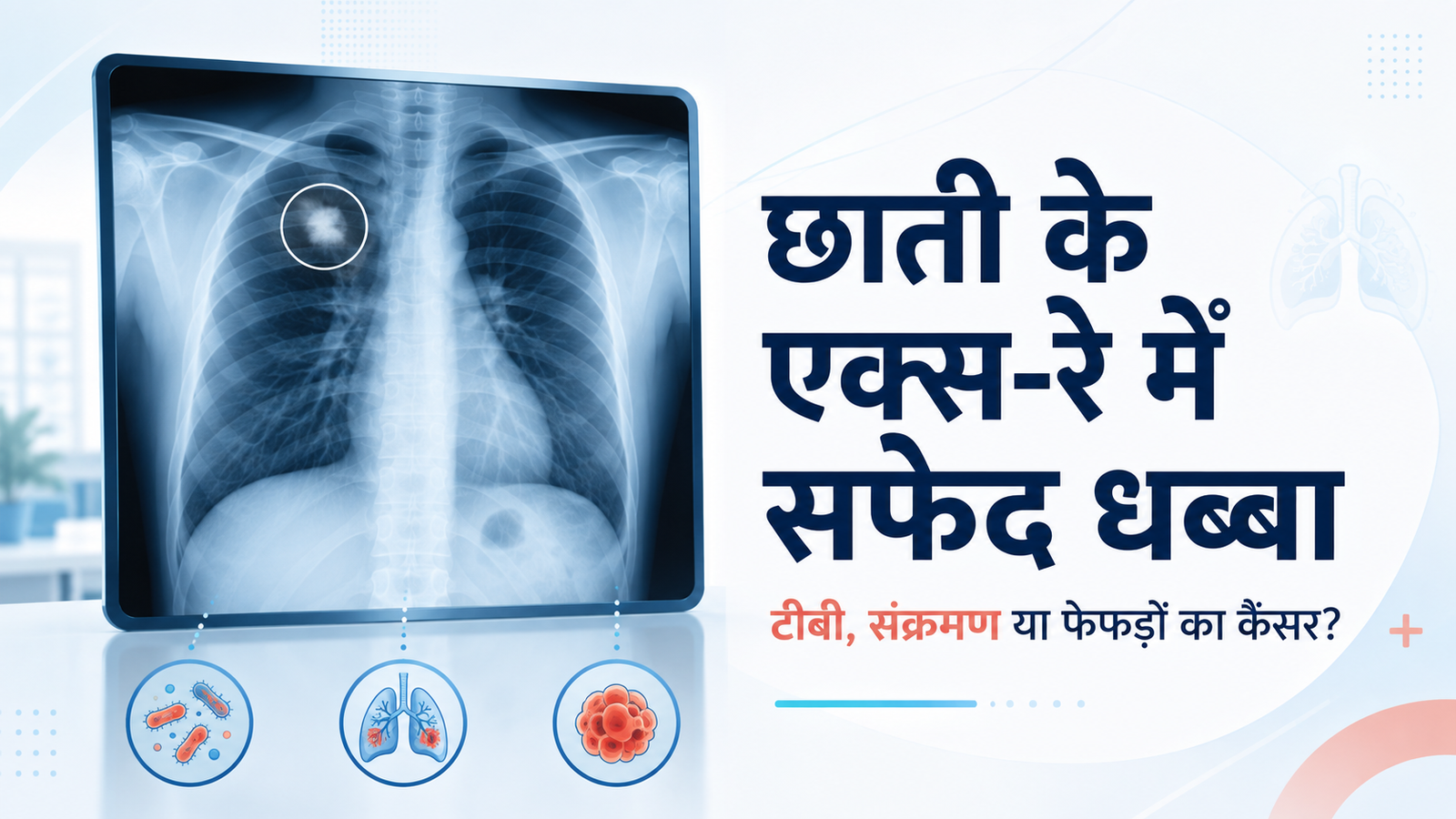
छाती के X-Ray में सफेद धब्बा दिखने का मतलब हमेशा कैंसर नहीं होता। जानें इसके संभावित कारण, टीबी और लंग कैंसर में अंतर तथा जरूरी जांच।
Copyright 2026 © Dr .Parveen Yadav all rights reserved.
Proudly Scaled by Public Media Solution!