- Call : +91 9540210956
- Email: [email protected]
- Artemis Hospital Sector 51 Gurgaon
- 09Am - 5Pm


Wheezing in Adults: Causes, Tests and When to Get Urgent Help
- Home
- Blog Details
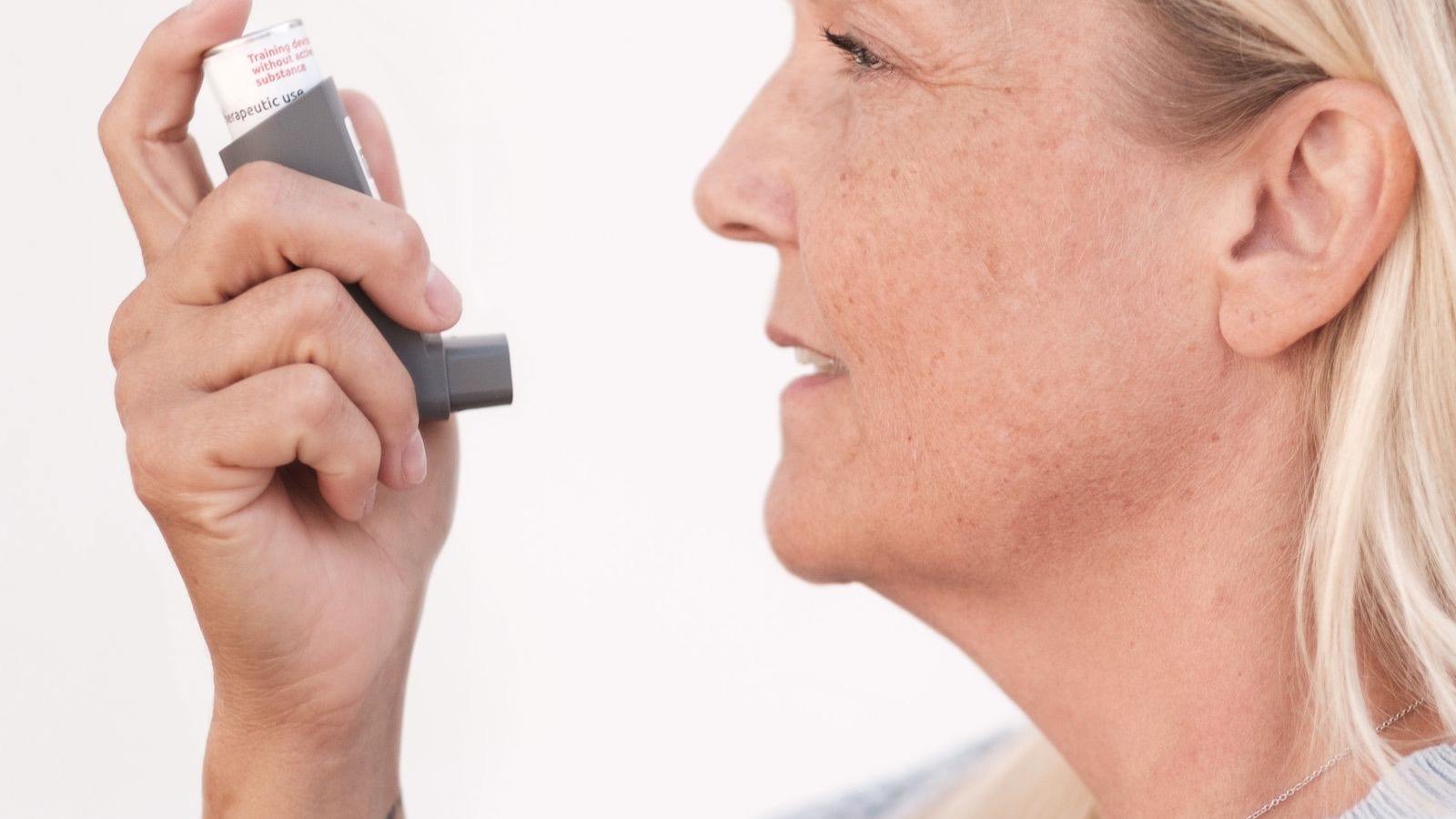
A high-pitched whistle when you breathe can be unsettling, especially if it is new. Wheezing is a sound caused by narrowed airways; it is a sign, not a diagnosis. Asthma is one possible cause, but infection, chronic obstructive pulmonary disease (COPD), an allergic reaction, heart problems, reflux and a blockage in an airway can also be relevant.
The important questions are when it began, whether it comes and goes, what else is happening with your breathing, and whether the pattern is changing. This guide explains how adult wheezing is assessed and when not to wait for a routine appointment.
What Does Wheezing Sound Like?
Wheezing is usually most noticeable while breathing out, though it can occur while breathing in. It differs from a throat noise, snoring or a cough. MedlinePlus explains that the sound often comes from narrowed small airways, but larger-airway obstruction and vocal-cord problems can also produce noisy breathing.
A recording on a phone can sometimes help a clinician understand what you hear, but it cannot replace an examination. Note whether the sound is on one side, comes after exercise, occurs at night, follows a cold, or starts after an exposure such as smoke, dust, fragrance or a new medicine.
When Wheezing Needs Emergency Help
Seek emergency help now for severe difficulty breathing, blue or grey lips, confusion, fainting, a rapidly worsening reaction after food or a medicine, or an inability to speak in full sentences. Sudden wheeze after choking can indicate an inhaled object. Severe chest pain, coughing blood or new marked breathlessness also needs urgent assessment.
For someone with an asthma action plan, follow that plan and seek urgent help if symptoms are worsening or the reliever medicine is not working as expected. The NHS asthma guidance describes an asthma attack as potentially life-threatening and advises emergency care if symptoms do not improve after the plan’s emergency treatment.
Common Causes of Wheezing in Adults
| Possible cause | Clues worth reporting |
|---|---|
| Asthma | Variable wheeze, cough, chest tightness or breathlessness, often with triggers or at night |
| COPD or smoking-related airway disease | Persistent breathlessness, cough or sputum, especially with smoking exposure |
| Respiratory infection | Recent cough, fever, change in sputum or symptoms after a viral illness |
| Allergic reaction | Rapid onset with rash, swelling, dizziness or a clear exposure |
| Heart or reflux-related causes | Breathlessness with swelling, lying flat, heartburn or regurgitation |
| Airway blockage or another structural cause | New one-sided or persistent wheeze, choking episode, recurrent pneumonia or unexplained symptoms |
This table is not a way to self-diagnose. A clinician considers the whole history, examination and risk factors. MedlinePlus’s wheezing overview lists asthma, COPD, infection, reflux, heart failure and airway blockage among the possibilities.
Could It Be Asthma?
Asthma can begin at any age. Symptoms often vary over time and may include cough, wheeze, chest tightness and shortness of breath. Cold air, exercise, pollution, respiratory infections, allergens and workplace exposures may be relevant triggers.
Those features are suggestive, not conclusive. The National Heart, Lung, and Blood Institute describes diagnosis as a combination of symptoms, history and lung-function testing where appropriate. Do not borrow another person’s inhaler or assume recurring wheeze is asthma without an assessment.
What Happens at an Assessment?
A clinician will ask about onset, triggers, smoking or vaping, work exposures, previous lung disease, medicines and allergies. They may listen to your chest, measure oxygen levels, and assess the nose, throat and heart when the symptoms suggest those areas may be involved.
Bring a list of medicines and inhalers, including how often you use each one. Tell the clinician if you wake at night, have needed urgent care, can no longer do usual activity, or have lost weight, coughed blood or had recurrent chest infections.
Which Tests Might Be Used?
The test should answer a clinical question. Not everyone with a wheeze needs every test.
- Spirometry measures how much air you can force out and how quickly.
- Bronchodilator testing compares breathing measurements before and after a medicine that opens airways.
- Peak-flow monitoring may document variation over time for selected patients.
- Chest X-ray or CT may be considered if the history, examination or persistence of symptoms raises a structural concern.
- Allergy, inflammation or challenge tests can be useful in selected asthma assessments.
The NHLBI explains that spirometry, peak expiratory flow and bronchodilator responsiveness examine different aspects of airflow. It also notes that FeNO, allergy testing and imaging can be used in selected situations; no single test should be interpreted apart from the clinical picture.
Triggers and Timing Can Be Useful Clues
Write down whether symptoms follow exercise, a respiratory infection, cleaning products, cold air, smoking, pets, work exposure or a meal. A pattern does not prove the cause, but it can help a clinician decide whether an airway, allergy, reflux or occupational assessment is useful.
Night-time symptoms, symptoms that interrupt sleep, or an increasing need for a reliever inhaler should be reported promptly. If you work around dust, fumes, chemicals, flour, animals or smoke, say whether symptoms improve away from work. Do not intentionally expose yourself to a suspected trigger to test the theory.
Wheeze, Stridor and Other Noisy Breathing
People use “wheeze” for many breathing noises. A harsh, high-pitched sound most obvious when breathing in may come from the upper airway and is often called stridor. It needs prompt assessment, especially if it is new, persistent or accompanied by voice change, trouble swallowing or visible effort to breathe.
A blocked nose, snoring and throat clearing are different symptoms again. Accurate labels are less important than describing the timing, sound, location and accompanying symptoms. An examination is needed to decide whether a problem is likely to be in the lungs, larger airways, throat or another system.
Inhalers: Technique and Safety
When an inhaler has been prescribed, technique affects how much medicine reaches the lungs. Ask a clinician or pharmacist to watch you use it rather than assuming the method is correct. A spacer may be recommended for some inhalers.
Do not delay review by repeatedly taking extra doses outside your written plan. Needing more reliever treatment than usual, having symptoms despite treatment, or running out early are reasons to contact the prescribing team. Any medicine change should follow an individual assessment and action plan.
Triggers and Timing Can Be Useful Clues
Write down whether symptoms follow exercise, a respiratory infection, cleaning products, cold air, smoking, pets, work exposure or a meal. A pattern does not prove the cause, but it can help a clinician decide whether an airway, allergy, reflux or occupational assessment is useful.
Night-time symptoms, symptoms that interrupt sleep, or an increasing need for a reliever inhaler should be reported promptly. If you work around dust, fumes, chemicals, flour, animals or smoke, say whether symptoms improve away from work. Do not intentionally expose yourself to a suspected trigger to test the theory.
Wheeze, Stridor and Other Noisy Breathing
People use “wheeze” for many breathing noises. A harsh, high-pitched sound most obvious when breathing in may come from the upper airway and is often called stridor. It needs prompt assessment, especially if it is new, persistent or accompanied by voice change, trouble swallowing or visible effort to breathe.
A blocked nose, snoring and throat clearing are different symptoms again. Accurate labels are less important than describing the timing, sound, location and accompanying symptoms. An examination is needed to decide whether a problem is likely to be in the lungs, larger airways, throat or another system.
Inhalers: Technique and Safety
When an inhaler has been prescribed, technique affects how much medicine reaches the lungs. Ask a clinician or pharmacist to watch you use it rather than assuming the method is correct. A spacer may be recommended for some inhalers.
Do not delay review by repeatedly taking extra doses outside your written plan. Needing more reliever treatment than usual, having symptoms despite treatment, or running out early are reasons to contact the prescribing team. Any medicine change should follow an individual assessment and action plan.
Why New Wheezing Should Not Be Ignored
New wheeze in an adult deserves attention, especially when it is persistent, occurs in one part of the chest, follows a choking episode or accompanies a change in exercise tolerance. These features do not establish a serious cause, but they change which explanations a clinician needs to exclude.
Imaging may be part of the pathway when there are concerning features. A scan finding is also not a diagnosis on its own. Our guide to an abnormal lung finding on CT explains why the next step depends on the full context.
What You Can Do Before Your Appointment
- Follow an existing written asthma or COPD action plan.
- Avoid smoke, vaping and a known trigger where practical.
- Record the timing, trigger and severity of episodes.
- Use prescribed medicines exactly as instructed; ask for inhaler-technique review if unsure.
- Seek prompt care for worsening breathlessness instead of repeatedly increasing a medicine without advice.
Do not use steam, cough syrups or over-the-counter remedies as a substitute for assessment when wheeze is new, severe or persistent. If breathing is difficult, seek urgent help rather than travelling alone to an appointment.
Frequently Asked Questions
Does wheezing always mean asthma?
No. Asthma is common, but wheeze has several possible causes and needs assessment in context.
Can reflux cause wheezing?
Reflux can be associated with cough or respiratory symptoms in some people, but a meal-related or night-time cough does not prove reflux is the cause. Our guide to coughing after eating or drinking explains why swallowing and reflux need different assessments.
Can a normal day without wheezing rule out asthma?
No. Symptoms can vary. That is why history and appropriately timed lung-function testing can be useful.
When should I see a chest specialist?
Arrange review for recurrent or unexplained wheezing, symptoms limiting activity, repeated infections or an abnormal chest test. Emergency symptoms need emergency care.
Getting the Right Next Step
Repeated wheezing deserves a diagnosis, not just temporary symptom relief. If your assessment identifies a structural chest or airway problem requiring a thoracic opinion, contact Dr. Parveen Yadav’s team with your scans, breathing-test results and previous reports. Severe or rapidly worsening breathing difficulty needs emergency care.
Selected Patient Resources
- MedlinePlus: wheezing causes and urgent symptoms.
- NHLBI: asthma diagnosis and lung-function testing.
- NHS: asthma symptoms and urgent-care guidance.

Dr. Parveen Yadav
18+ Yrs Exp | 5,700+ Thoracic & Robotic Cancer Surgeries
Dr. Parveen Yadav is a Director and Senior Consultant in Thoracic and Surgical Oncology, specializing in minimally invasive and robotic lung and esophageal surgeries, with advanced training from AIIMS and Tata Memorial Hospital.
View Full ProfileRecent Posts

Short of Breath Climbing Stairs: Causes and When to Get Help
- Dr. Parveen Yadav
- Nov 22, 2026

Why Do I Cough After Eating or Drinking? Causes and When to Get Help
- Dr. Parveen Yadav
- Nov 15, 2026
Lung Biopsy: Is It Painful? Procedure, Risks, Recovery and Results
- Dr. Parveen Yadav
- Nov 12, 2026
Difficulty Swallowing Food and Liquids: Could It Be Achalasia?
- Dr. Parveen Yadav
- Nov 08, 2026
Related Posts
Short of Breath Climbing Stairs: Causes and When to Get Help
Getting breathless on stairs can have many causes. Learn which patterns need urgent attention, what tests may be used and how to prepare for a medical review.
- Read More
- Nov, 22 2026
Lung Biopsy: Is It Painful? Procedure, Risks, Recovery and Results
Having a lung biopsy? Compare biopsy types and learn about pain, collapsed lung risk, preparation, recovery, results and what an inconclusive sample means.
- Read More
- Nov, 12 2026

Coughing Up Phlegm Every Day? Causes, Tests and Bronchiectasis Treatment
Daily mucus or repeated chest infections? Learn the causes of persistent phlegm, tests for bronchiectasis, treatment options and warning signs needing help.
- Read More
- Nov, 04 2026
Copyright 2026 © Dr .Parveen Yadav all rights reserved.
Proudly Scaled by Public Media Solution!