


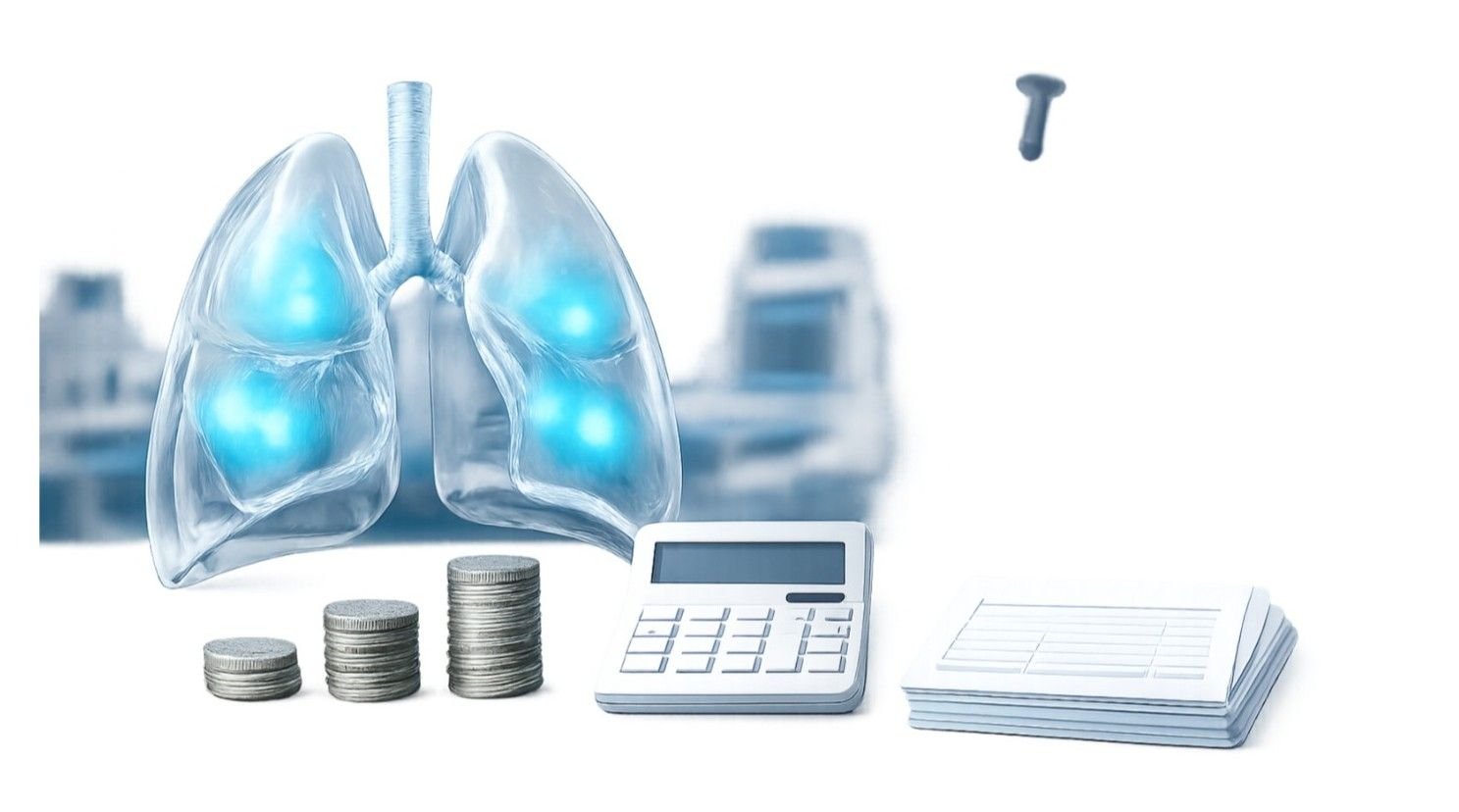
The healthcare landscape of 2026 represents a pivotal era in thoracic oncology. For patients navigating a diagnosis, the clinical pathway is clear minimally intrusive intervention is the gold standard. However, the financial path is often confusing.
This report, commissioned by Chest Surgery India, moves beyond simplistic price comparisons. We conduct a forensic accounting of the total cost of care, analyzing data from India’s exclusive institutions like Artemis Hospitals. Our analysis reveals that while the transactional cost of robotic surgery is a significant premium, the "Economics of Recovery" tells a different story.
If you are looking for lung cancer treatment in Gurgaon or Delhi NCR, this guide will help you navigate the economic minefield of modern surgery.
In 2026, the conversation has shifted from "Access" to "Value." Value isn't just the lowest price; it's the best outcome per rupee spent.
We believe in Financial Informed Consent. A patient who survives cancer but is bankrupt due to unaffordable bills has suffered a “financial complication.”
The market often confuses the "Best Machine" with the "Best Surgery." The robot is passive; the surgeon does the work.
To make an informed decision, you need to see the numbers side by side. Here is the 2026 market reality for a standard Lobectomy (removal of a lung lobe) in Gurgaon.
| Feature | Open Thoracotomy | VATS (Keyhole) | Robotic (RATS) |
| Est. Procedure Cost | ₹2,70,000 - ₹5,95,000 | ₹4,50,000 - ₹6,00,000 | ₹6,50,000 - ₹10,50,000 |
| Hospital Stay | 7 - 14 days | 3 - 5 days | 2 - 4 days |
| Pain Level | High (Rib spreading) | Low | Lowest |
| Return to Work | ~27 days | ~12.5 days | ~12 days |
| Blood Loss | High | Low | Lowest |
The cost is driven by the technology ecosystem, not just the surgeon's fee.
Most quotes cover admission to discharge. They miss "Phase 1" , the diagnostic odyssey. For lung cancer treatment in Gurgaon, this phase is non-negotiable.
Total Hidden Cost: Expect to spend ₹75,000 - ₹1,00,000 before you even enter the working theater.
Open surgery looks cheap on paper (₹2.7 Lakhs). But let's look at the "Life Cost."
Open surgery involves spreading the ribs with a metal retractor. This can cause chronic nerve pain (Post-Thoracotomy Pain Syndrome) requiring months of medication and therapy, adding another ₹50,000 to your yearly medical spend.
Insurance coverage for robotics has been enhanced, but insurers still use fine print to deny claims.
The IRDAI clearly lists "Robotic Surgeries" under Modern Treatment Methods that must be covered. They cannot simply reject it as "experimental."
This is the most dangerous clause.
Insurers may say, "We will only pay the cost of an Open Surgery (₹3 Lakhs) because the Robot is a luxury."
The cost of surgery varies by geography due to real estate and hospital positioning.
Dr. Yadav operates primarily at Artemis Hospitals, offering world-class infrastructure that minimizes disease risks and enhances recovery speed.
While the bill of ₹10,50,000 for robotic surgery is daunting, the precision and speed of recovery often justify the premium. Under the expert hands of Dr. Parveen Yadav, the guide remains committed to getting you cancer-free and back to your life as quickly and affordably as possible.
Chest Surgery India is the digital interface for Dr. Parveen Yadav, Chief & Sr. Consultant in Thoracic Surgery & Surgical Oncology at Artemis Hospitals, Gurgaon. With training from AIIMS and Tata Memorial, Dr. Yadav specializes in lung cancer treatment in Gurgaon, committed to ethical, transparent, and evidence-based care.
For standard cases, both are amazing. However, for complex tumors stuck to blood vessels, the robot is safer. Studies show the risk of "converting to open surgery" (due to bleeding or difficulty) is significantly lower with robotics (0.7%) compared to VATS (6.6%). The robot's 3D vision allows Dr. Yadav to work with higher precision in tight spaces.
The final bill depends on three variables:
Not always. While IRDAI mandates coverage, many policies have a sub-limit (e.g., capped at ₹1 Lakh for robotics). Others exclude the "Robotic Consumables" as non-medical items. We recommend reviewing your policy for "Modern Treatment" clauses before admission.
Most robotic patients are discharged on Day 3 or 4. If you are an international patient, Dr. Yadav typically clears you to fly back after 2–3 weeks, once the chest tube site is fully healed and a follow-up X-ray confirms the lung is expanded.
Dr. Yadav is unique because he is a high-volume expert in BOTH VATS and Robotics. Unlike some surgeons who only do robotics (and may push it for profit) or only do open surgery (and may lack skills), Dr. Yadav chooses the tool that fits your anatomy and budget. With training from AIIMS and Tata Memorial, he prioritizes cancer clearance above technology trends.
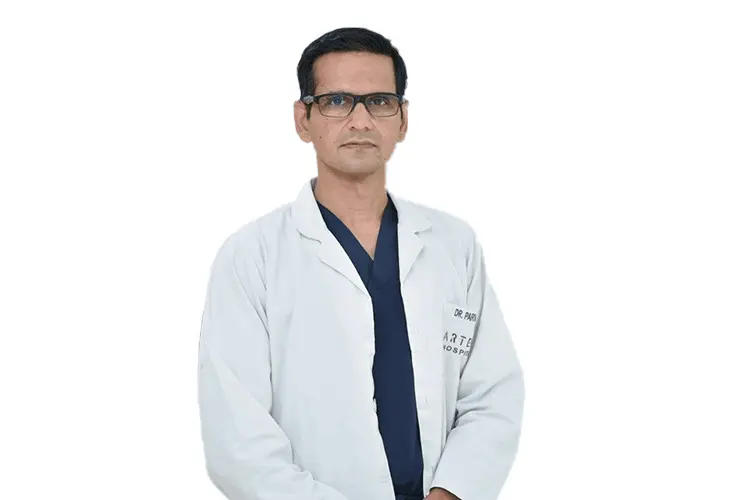
18+ Yrs Exp | 5,700+ Thoracic & Robotic Cancer Surgeries
Dr. Parveen Yadav is a Director and Senior Consultant in Thoracic and Surgical Oncology, specializing in minimally invasive and robotic lung and esophageal surgeries, with advanced training from AIIMS and Tata Memorial Hospital.
View Full Profile
Robotic vs VATS lobectomy? An expert guide to choosing the best lung cancer treatment in Gurgaon & Delhi. Learn the pros, cons, and key differences.
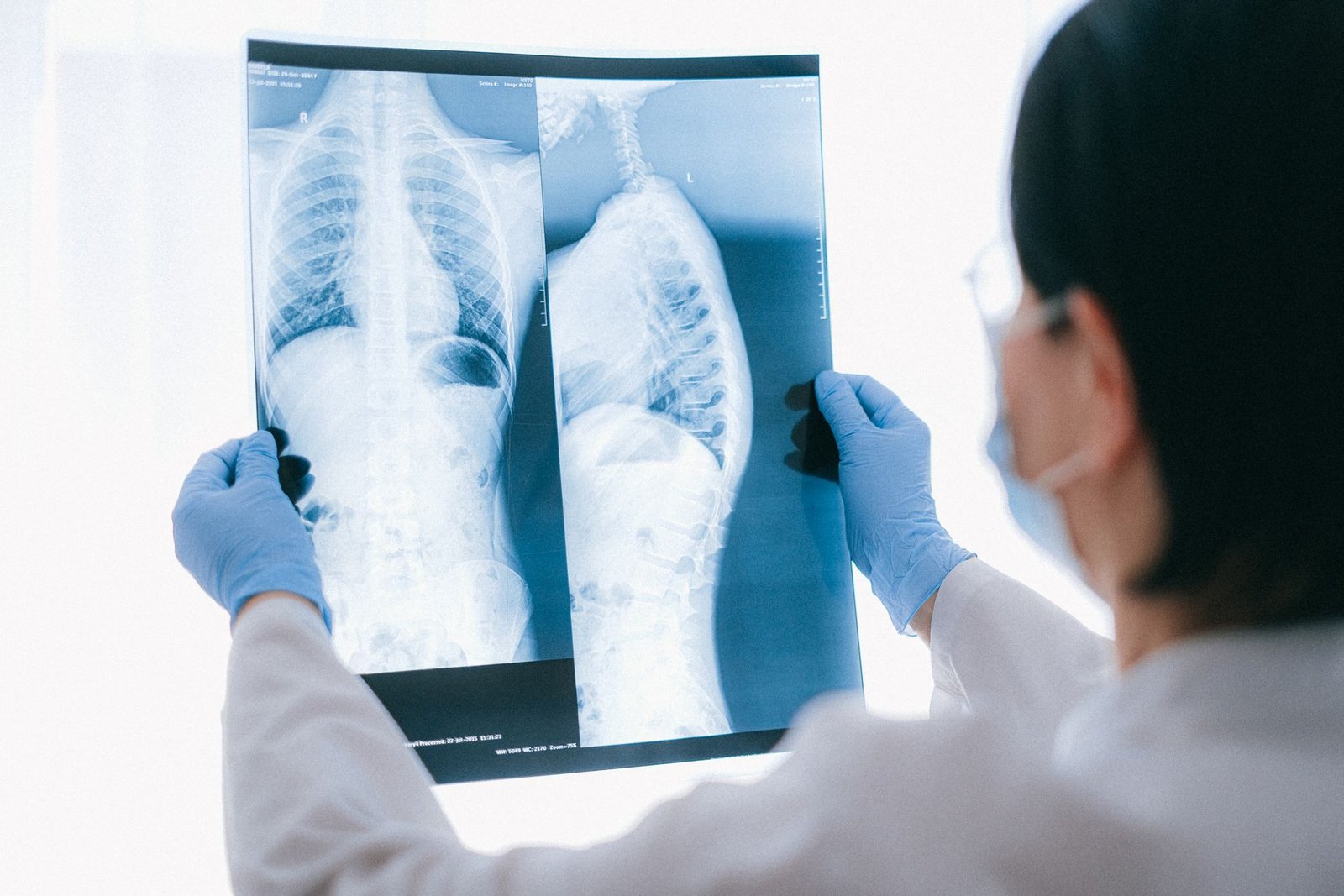
A lung cancer diagnosis is overwhelming. A second opinion can confirm your path, find better treatments, and give you critical peace of mind. Learn why
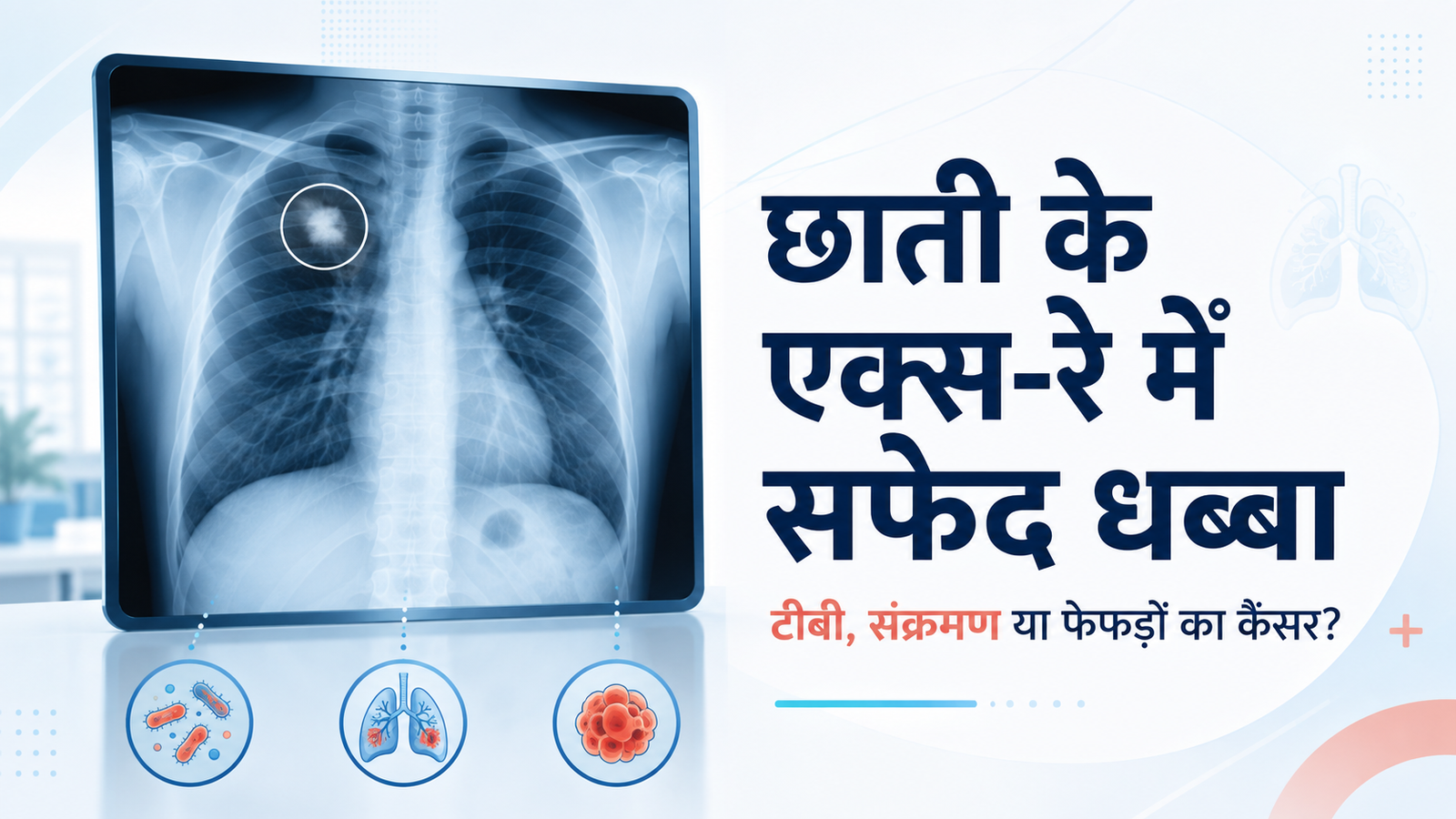
छाती के X-Ray में सफेद धब्बा दिखने का मतलब हमेशा कैंसर नहीं होता। जानें इसके संभावित कारण, टीबी और लंग कैंसर में अंतर तथा जरूरी जांच।
Copyright 2026 © Dr .Parveen Yadav all rights reserved.
Proudly Scaled by Public Media Solution!