



Getting diagnosed with esophageal cancer can feel confusing and frightening. Patients and families are suddenly asked to understand biopsy reports, PET-CT scans, staging, chemotherapy, radiation, surgery, robotic surgery, feeding tubes, recovery time, and cost. In this situation, taking a second opinion for esophageal cancer in India is not about doubting the first doctor. It is about getting complete clarity before making a major treatment decision.
Esophageal cancer, also called food pipe cancer, needs careful planning because the treatment may involve surgery, chemotherapy, radiation therapy, immunotherapy, targeted therapy, or a combination of these. The National Cancer Institute lists surgery, radiation therapy, chemotherapy, chemoradiation, immunotherapy, and other treatment options for esophageal cancer, depending on the case and stage.
For patients in Gurgaon, Delhi NCR, and across India, a second opinion can help answer one important question: “Is the treatment plan right for my stage, health condition, and long-term recovery?”
At Chest Surgery India, patients can request a second opinion from a thoracic surgeon by sharing their diagnosis summary, CT scan, PET scan, biopsy report, current treatment plan, and specific questions. The service is listed as free, confidential, and reviewed by Dr. Parveen Yadav.
A second opinion means another specialist reviews your diagnosis, reports, stage, and treatment plan. In esophageal cancer, this review is usually done by a doctor who understands food pipe cancer, thoracic surgery, oncology, imaging, and treatment sequencing.
A second opinion may confirm your current plan. It may also suggest a change in treatment sequence, such as chemotherapy or chemoradiation before surgery. In some cases, it may help decide whether robotic surgery, minimally invasive surgery, open surgery, stenting, or non-surgical treatment is more suitable.
This is especially important because esophageal cancer treatment is not the same for every patient. A person with early-stage cancer may need a different approach than someone with lymph node involvement or distant spread. NCI explains that some patients may need nutritional support because swallowing can become difficult due to the tumor or treatment side effects.
A second opinion matters because esophageal cancer treatment can affect swallowing, breathing, nutrition, strength, recovery, and quality of life. Surgery for food pipe cancer is a major procedure. Chemotherapy and radiation also need careful planning.
Before starting treatment, patients should know:
The goal is not to delay treatment. The goal is to avoid starting the wrong treatment with incomplete information.
A biopsy confirms the cancer type. But biopsy alone is not enough for complete treatment planning. Doctors usually need imaging and staging details before deciding the next step.
The American Cancer Society explains that esophageal cancer diagnosis may involve endoscopy, biopsy, imaging tests such as CT or PET/CT, and staging tests to understand how far the cancer has spread.
If you only have an endoscopy and biopsy report, a second opinion can help you understand which tests are still needed.
Esophagectomy, or food pipe cancer surgery, may involve removing part of the esophagus, nearby lymph nodes, and sometimes part of the stomach. Mayo Clinic explains that during esophagectomy, the esophagus is reconstructed using another organ, most commonly the stomach.
Because this is a complex surgery, a second opinion before surgery can help you confirm:
You can also read more about esophageal cancer treatment in Delhi NCR to understand available treatment options at Chest Surgery India.
Being told that cancer is inoperable can be emotionally difficult. Sometimes, this may be correct. But in esophageal cancer, operability depends on multiple factors, including tumor location, PET-CT findings, lymph node status, involvement of nearby structures, response to chemotherapy or radiation, and overall fitness.
A second opinion can help clarify whether the cancer is truly inoperable or whether treatment can be given first to reassess surgery later.
One doctor may suggest surgery first. Another may suggest chemotherapy and radiation first. A third may suggest stenting or palliative care. This can create confusion for the family.
A second opinion from an experienced thoracic cancer surgeon can help organize the information and explain why one approach may be preferred over another.
Many patients search for robotic esophageal cancer surgery in India because they want smaller incisions, less pain, and faster recovery. But robotic surgery is not suitable for every case.
A second opinion can help decide whether the patient is fit for robotic surgery, minimally invasive surgery, or open surgery. Dr. Parveen Yadav’s profile notes experience in minimally invasive and robotic lung and esophageal surgeries, along with AIIMS training, a thoracic surgery fellowship from Tata Memorial Hospital, and Da Vinci robotic surgery certification.
Cancer treatment decisions are not only medical. Families also worry about cost, hospital stay, ICU care, feeding tube, chemotherapy, radiation, travel, time away from work, and home care.
A second opinion can help you understand what treatment may involve before you commit to a hospital or procedure.
To get a useful second opinion, try to share complete documents. Missing reports can lead to incomplete advice.
Carry:
Chest Surgery India’s second opinion page specifically asks patients to share a diagnosis summary or doctor’s note, CT scan, PET scan, biopsy reports, current treatment plan, prescriptions, and questions for review.
A second opinion can help in several practical ways.
Sometimes patients have reports but do not fully understand what they mean. A specialist can explain the cancer type, location, and stage in simple language.
Treatment should not usually be finalized without proper staging. CT scan, PET-CT, endoscopy, biopsy, and sometimes EUS or bronchoscopy help doctors understand the disease extent.
Some patients need chemotherapy or chemoradiation before surgery. Some may need surgery first. Some may not be surgical candidates. A second opinion helps review whether the sequence is appropriate.
If the cancer has spread widely, surgery may not help and may cause avoidable suffering. A second opinion can help identify such cases.
In selected cases, robotic or minimally invasive esophagectomy may be possible. This depends on the tumor, stage, patient fitness, and surgeon experience.
Even if the second opinion confirms the first plan, it can still be valuable. Patients often feel more confident when they understand why a treatment is being recommended.
Esophageal cancer surgery is not a general operation. It involves the chest, abdomen, food pipe, stomach, lymph nodes, lungs, airway, and major blood vessels. A thoracic surgeon experienced in esophageal cancer can assess whether surgery is possible and which surgical approach may be safest.
Dr. Parveen Yadav has 18+ years of experience in minimally invasive thoracic and robotic onco surgeries and has performed more than 5,700 major thoracic procedures, including over 1,000 surgeries for esophageal cancer and other esophageal diseases, according to his profile.
This type of experience is important because esophageal cancer treatment needs judgment, not just technology.
A good second opinion should not create unnecessary delay. It should help you make a faster, clearer decision. If the cancer is aggressive or symptoms are severe, the doctor may advise urgent action.
Patients should not collect endless opinions from many places. Too many opinions can create confusion. Usually, one focused second opinion from the right specialist is enough to confirm the path.
If you or your loved one has been diagnosed with food pipe cancer and you are unsure about surgery, chemotherapy, radiation, robotic surgery, or treatment cost, consult Chest Surgery India for expert guidance.
Submit your reports for a second opinion from a thoracic surgeon or book an appointment with Dr. Parveen Yadav at Artemis Hospital, Sector 51, Gurgaon.
You should consider a second opinion after biopsy confirmation, before major surgery, before starting chemotherapy or radiation, if doctors have suggested different plans, or if you are told the cancer is inoperable.
You should share endoscopy, biopsy, CT scan, PET-CT, EUS if done, bronchoscopy if done, blood tests, treatment plan, prescriptions, and any previous chemotherapy or radiation records.
Yes, it can. It may confirm your current plan or suggest changes in treatment sequence, surgical approach, staging tests, or supportive care.
Yes. Esophageal cancer surgery is complex, so a second opinion can help confirm whether surgery is needed, whether the timing is right, and whether robotic, minimally invasive, or open surgery is suitable.
Chest Surgery India lists a free second opinion service for chest, lung, and esophageal conditions. Cases are reviewed by Dr. Parveen Yadav, and patients can submit reports through the second opinion page.
Patients can consult Dr. Parveen Yadav at Chest Surgery India, Artemis Hospital, Sector 51, Gurgaon, for esophageal cancer second opinion and treatment planning.
Reference :
https://www.cancer.gov/types/esophageal/treatment
https://www.mayoclinic.org/tests-procedures/esophagectomy/about/pac-20385084
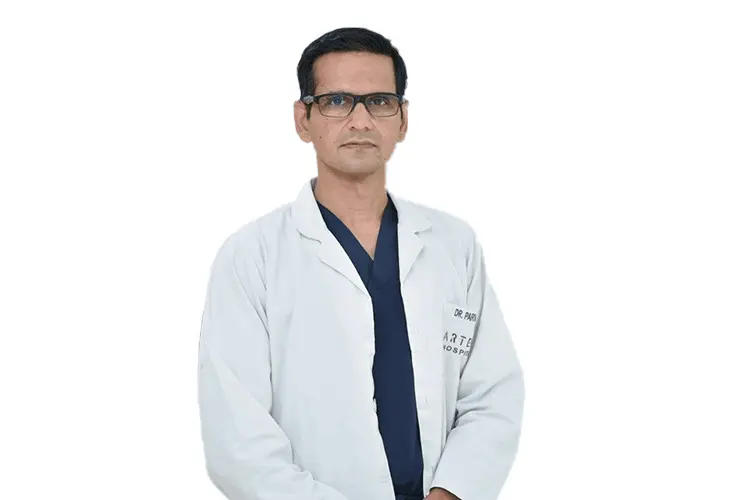
18+ Yrs Exp | 5,700+ Thoracic & Robotic Cancer Surgeries
Dr. Parveen Yadav is a Director and Senior Consultant in Thoracic and Surgical Oncology, specializing in minimally invasive and robotic lung and esophageal surgeries, with advanced training from AIIMS and Tata Memorial Hospital.
View Full Profile
Robotic vs VATS lobectomy? An expert guide to choosing the best lung cancer treatment in Gurgaon & Delhi. Learn the pros, cons, and key differences.
A lung cancer diagnosis is overwhelming. A second opinion can confirm your path, find better treatments, and give you critical peace of mind. Learn why
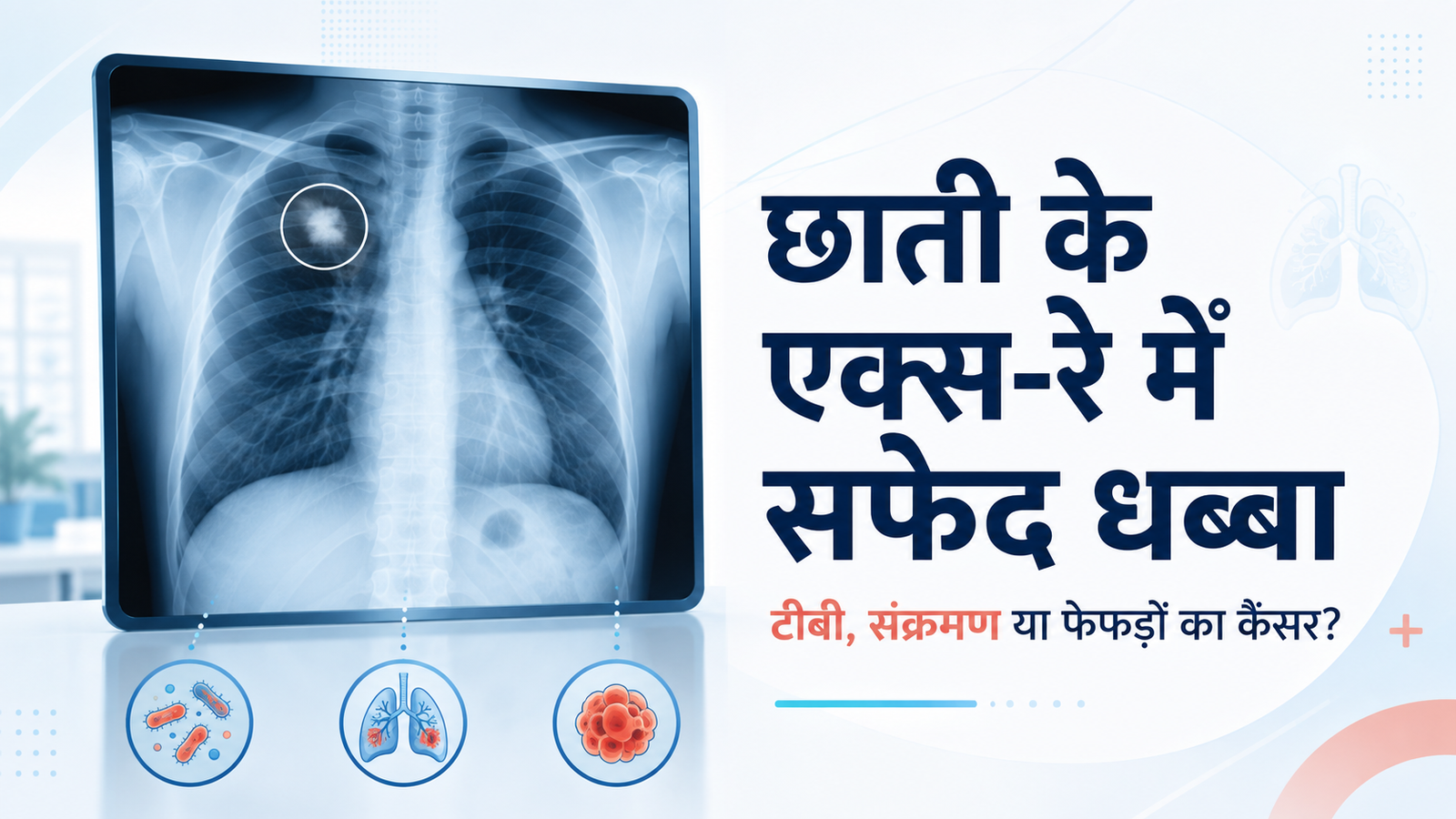
छाती के X-Ray में सफेद धब्बा दिखने का मतलब हमेशा कैंसर नहीं होता। जानें इसके संभावित कारण, टीबी और लंग कैंसर में अंतर तथा जरूरी जांच।
Copyright 2026 © Dr .Parveen Yadav all rights reserved.
Proudly Scaled by Public Media Solution!