- Call : +91 9540210956
- Email: [email protected]
- Artemis Hospital Sector 51 Gurgaon
- 09Am - 5Pm


Rib Pain When Coughing: Causes, Warning Signs and Treatment
- Home
- Blog Details
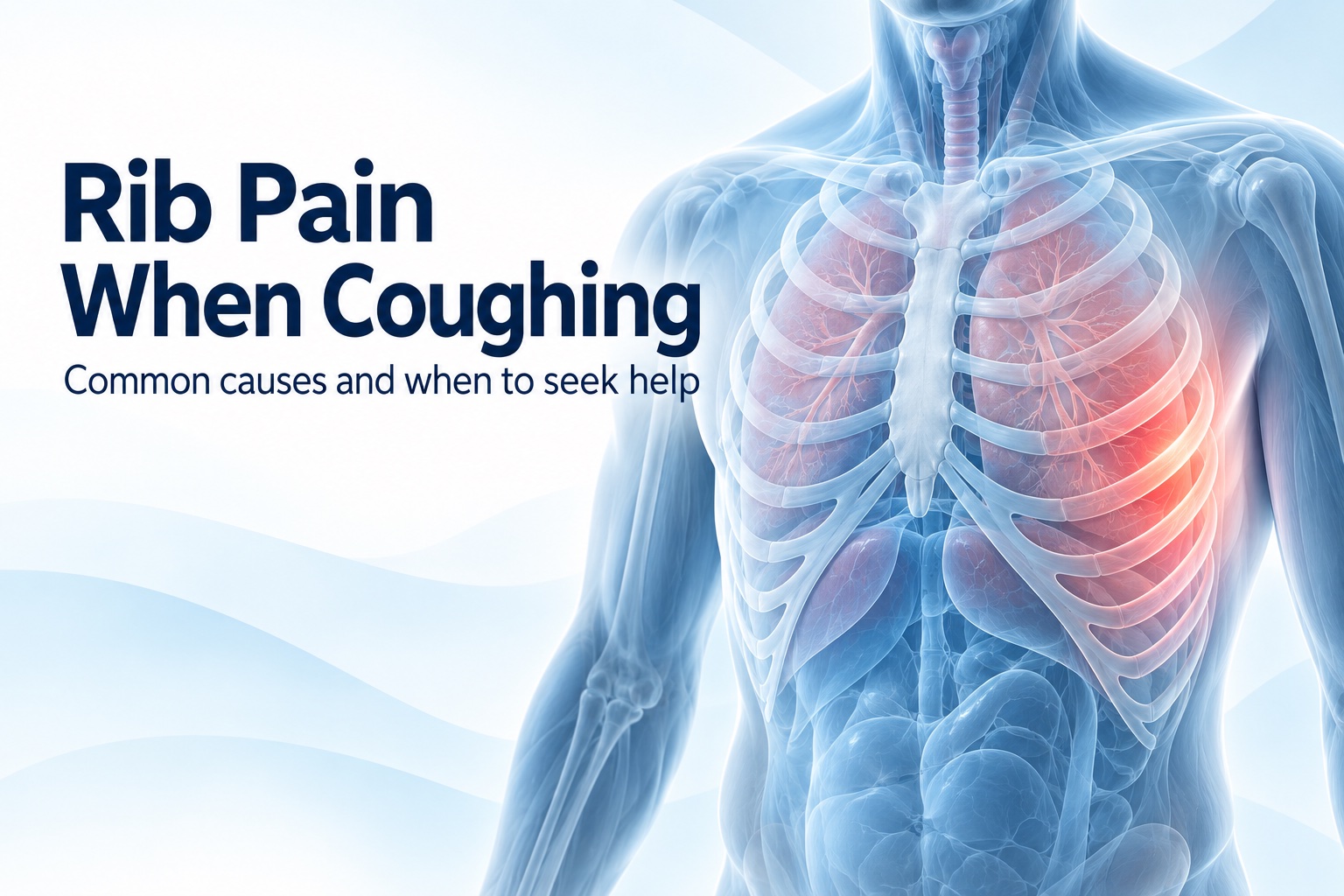
Your cough may have started with a cold, but now every cough sends a sharp pain through your ribs. Turning in bed hurts, a deep breath catches, and you begin wondering whether you have pulled a muscle or whether the pain is coming from your lungs.
Rib pain when coughing can come from strained chest muscles, irritated rib cartilage, a rib injury or inflammation around the lungs. Some causes need urgent treatment. The location of the pain alone, whether left or right, cannot distinguish a minor strain from a serious chest problem.
Here is how doctors approach the symptom, what the accompanying signs mean, and when you should get help.
When Rib Pain Needs Emergency Care
Seek emergency help for chest or rib pain with sudden or severe breathlessness, fainting, a very fast heartbeat, or coughing up blood. Chest tightness or pressure spreading to the arm, neck or jaw also requires emergency assessment. Do not drive yourself if you feel faint or breathless.
Even without these emergency features, new unexplained sharp pain when breathing or coughing warrants prompt medical advice. Do not wait for the cough to disappear before getting the pain checked. NHS guidance on pleurisy makes this distinction between symptoms needing urgent advice and those needing emergency care.
Why Do Your Ribs Hurt When You Cough?
Coughing uses the muscles of your chest to push air out forcefully. The intercostal muscles sit between the ribs and help the ribcage move during breathing. Repeated coughing can put strain on these tissues.
However, movement during a cough can also aggravate pain from a rib injury or the lining around a lung. The fact that coughing triggers pain does not prove the cough has caused a muscle strain. Cleveland Clinic's explanation of the intercostal muscles describes their role in breathing and forceful exhalation.
Common Causes of Rib Pain When Coughing
1. Intercostal Muscle Strain
A strained muscle between the ribs can hurt when you cough, twist, reach or take a deep breath. The area may feel tender, particularly after repeated coughing or an unusual physical effort.
This can resemble pain from other chest conditions. Tenderness or pain that changes with movement is useful information for your doctor, but it is not a reliable home test to exclude a lung or heart problem. Cleveland Clinic's advice on intercostal strain discusses why an assessment may be needed before treating it as a pulled muscle.
2. Costochondritis
Costochondritis is inflammation where the ribs join the breastbone. It can cause sharp pain at the front of the chest, aggravated by deep breathing, upper-body movement or pressing around the affected area. Frequent coughing is one possible trigger.
It can improve over time, although symptoms sometimes last weeks or months. Because other conditions can cause similar pain, a clinician should establish the diagnosis. See the NHS explanation of costochondritis.
3. A Bruised or Fractured Rib
Rib injuries commonly follow a fall or a blow to the chest, but severe coughing can also cause an injury. Localised pain with breathing or coughing, swelling and tenderness may occur. Visible bruising is not always present.
Many uncomplicated rib injuries heal without an operation. The need for imaging depends on the circumstances and concern about associated damage, rather than pain alone. NHS guidance on broken or bruised ribs explains that an X-ray is not always required.
4. Pleurisy
The pleura is the thin lining around the lungs and inside the chest wall. When it becomes inflamed, taking a breath or coughing can produce a sharp pain. Pain may also extend towards the shoulder or back.
Pleurisy describes inflammation, not a complete explanation of its cause. A clinician needs to consider infection and other conditions before deciding on treatment. It is not something to diagnose simply because a pain feels sharp.
5. Pneumonia
Pneumonia is a lung infection that can cause chest pain alongside a cough, fever, breathlessness and feeling unwell. Symptoms and severity vary, and some people need hospital treatment.
Your doctor may examine your chest, check oxygen levels and arrange an X-ray or other tests. Treatment depends on the infection and its severity; antibiotics should not be started solely because your ribs hurt. NHS information on pneumonia outlines the assessment and treatment approach.
6. A Blood Clot or Collapsed Lung
A pulmonary embolism is a clot blocking a blood vessel in the lung. Sudden breathlessness, pain worse on breathing, coughing up blood or a swollen painful leg can be warning signs. It needs urgent hospital assessment; see NHS guidance on pulmonary embolism.
A pneumothorax occurs when air enters the space around a lung. It can cause sudden one-sided chest pain and breathlessness, sometimes with pain on coughing. North Tees and Hartlepool NHS guidance explains the condition. Our collapsed lung guide covers the subsequent treatment pathway.
Muscle Strain or a Lung Problem: What Are the Clues?
| Pattern | Possible cause | Next step |
|---|---|---|
| Tender area after repeated coughing; pain with twisting | Chest muscle strain or rib injury | Get new unexplained pain assessed |
| Pain near the breastbone with movement or pressure | Costochondritis | Clinical assessment to exclude other causes |
| Sharp pain with breathing, fever and cough | Pleurisy or pneumonia | Prompt medical review |
| Sudden pain with breathlessness or faintness | Possible clot, collapsed lung or another emergency | Emergency assessment |
Left-sided rib pain is not automatically heart-related, and right-sided pain is not automatically harmless. Your doctor considers the whole symptom pattern. Our guide to chest pain from the heart or lungs explains the broader assessment.
Could Rib Pain When Coughing Be Lung Cancer?
Chest pain can occur with lung cancer, but this symptom alone cannot identify cancer. A cough that persists or worsens, unexplained weight loss, coughing up blood, ongoing breathlessness or repeated pneumonia should be discussed with a doctor.
The CDC's lung cancer symptom guidance stresses that the same symptoms occur with other illnesses. The useful next step is an assessment, rather than assuming either cancer or a harmless cause. Read our persistent cough guide if the cough itself is continuing.
What Happens at the Appointment?
Be ready to explain when the pain began, whether there was an injury, how long you have been coughing and whether you have fever, breathlessness or blood in your phlegm. Mention recent surgery, prolonged immobility and any previous clot or lung condition.
The clinician may check your breathing, pulse and oxygen level, examine the painful area and listen to your lungs. Chest imaging or blood tests may follow if the findings suggest they are needed. Bring earlier scans and a medication list so the doctor can compare the new symptoms with your history.
Ask what diagnosis is most likely, whether any urgent causes have been considered, and what changes should bring you back for review. A plan for the pain should also address the cause of the cough.
What Helps Once a Chest Wall Injury Is Diagnosed?
If a clinician confirms an uncomplicated strain or rib injury, treatment usually focuses on pain control and keeping breathing comfortable. Cambridge University Hospitals' chest injury advice emphasises adequate pain relief and breathing exercises to reduce complications.
- Use the pain relief recommended for you, checking with a doctor or pharmacist if you take other medicines.
- Temporarily reduce heavy lifting and activities that make the pain worse.
- Keep gently mobile rather than staying in bed all day.
- Support the sore area with a pillow when coughing if this helps.
- Continue comfortable deep breathing and clear phlegm as advised. Avoid tightly binding the chest.
Get reviewed if pain prevents you taking a proper breath or clearing mucus, or if fever or new breathlessness develops. A recovery plan should be adjusted when symptoms change.
Frequently Asked Questions
Can coughing really injure a rib?
Yes. Severe coughing can cause a rib injury as well as muscle strain. Examination helps determine whether an injury or another cause needs investigation.
Does pain when I press the ribs mean it is only muscular?
No. Tenderness can point towards the chest wall, but it cannot safely rule out other causes, particularly when breathlessness or other warning signs are present.
How long should rib pain from coughing last?
Recovery depends on the cause. Rib injuries often improve over several weeks, while costochondritis can take longer. Worsening pain, breathing difficulty or fever needs review rather than waiting for a fixed deadline.
Do I need a thoracic surgeon?
Many causes are managed by a physician or respiratory specialist. A thoracic surgeon may become involved when investigations identify a condition needing a procedure or surgical assessment. Emergency symptoms should go straight to emergency care.
When to Arrange a Chest Specialist Consultation
If pain continues, the diagnosis remains unclear or a scan identifies a chest abnormality, a specialist review can help clarify the next steps. Bring the images as well as the written report.
For a thoracic surgical opinion, book a consultation with Dr. Parveen Yadav. Explain both the pain and the cough when arranging your visit, and seek emergency care immediately if sudden breathlessness or other warning signs develop.

Dr. Parveen Yadav
18+ Yrs Exp | 5,700+ Thoracic & Robotic Cancer Surgeries
Dr. Parveen Yadav is a Director and Senior Consultant in Thoracic and Surgical Oncology, specializing in minimally invasive and robotic lung and esophageal surgeries, with advanced training from AIIMS and Tata Memorial Hospital.
View Full ProfileRecent Posts
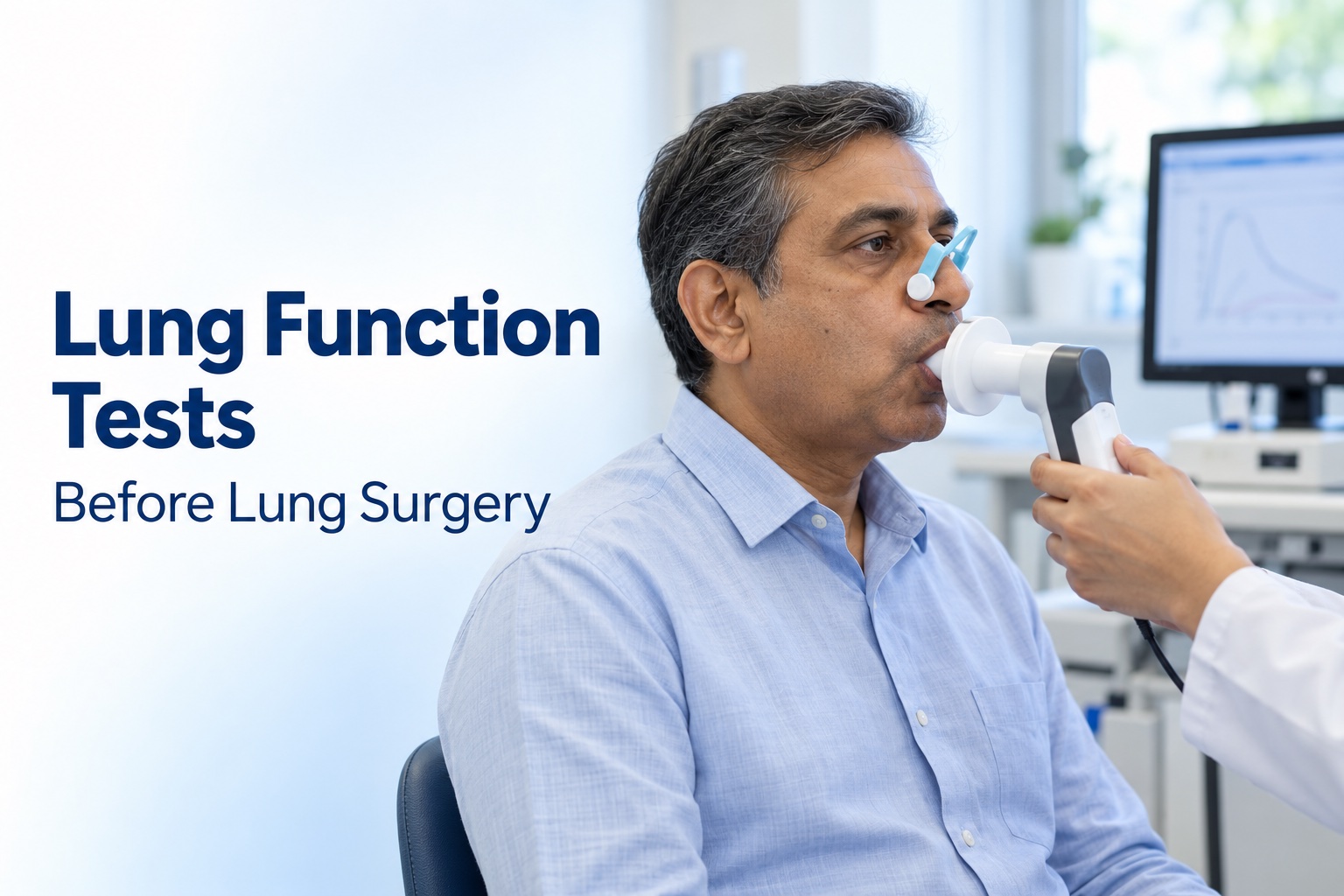
Lung Function Tests Before Lung Surgery: FEV1, DLCO and Fitness Explained
- Dr. Parveen Yadav
- Oct 17, 2026
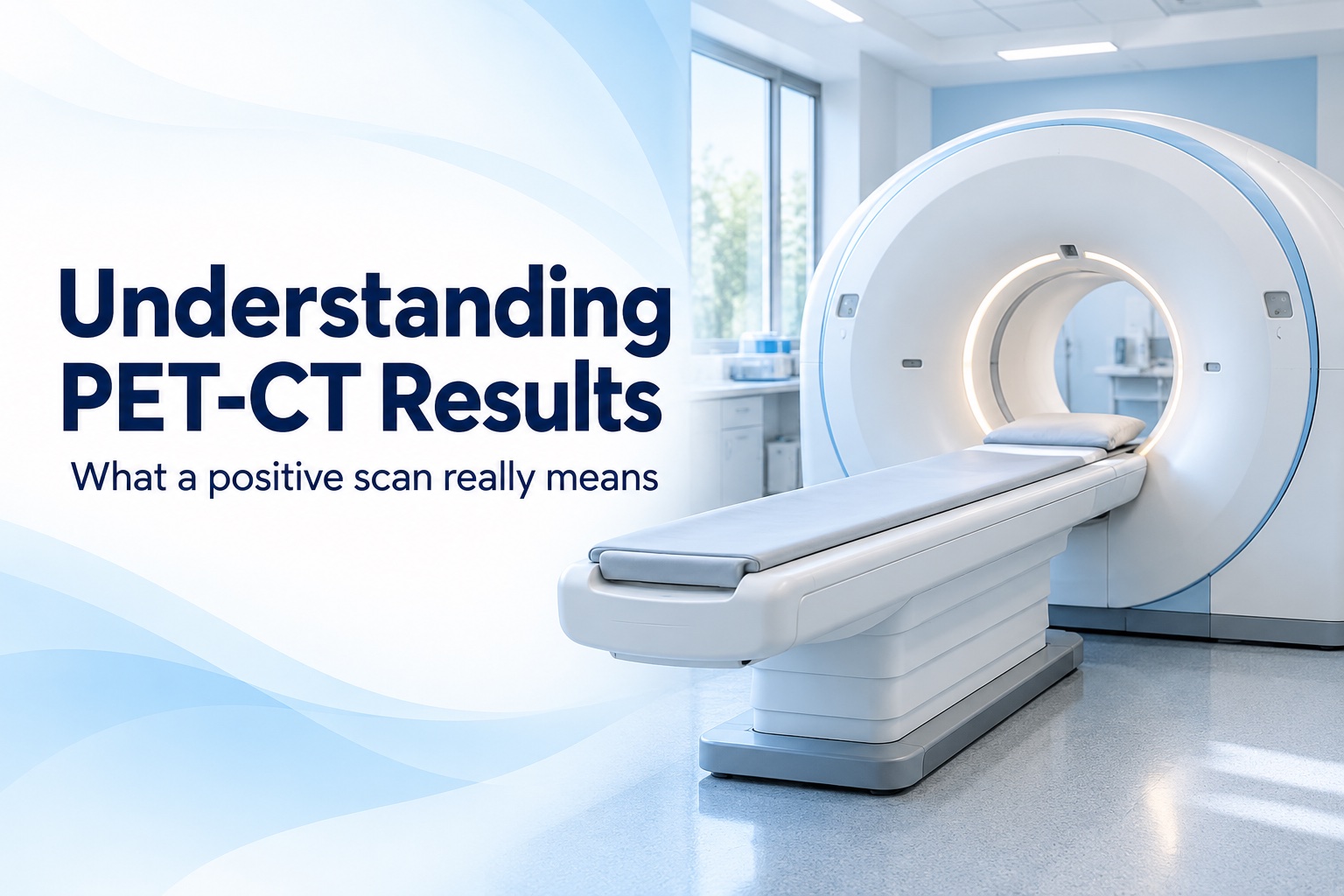
Does a Positive PET-CT Always Mean Lung Cancer?
- Dr. Parveen Yadav
- Oct 14, 2026
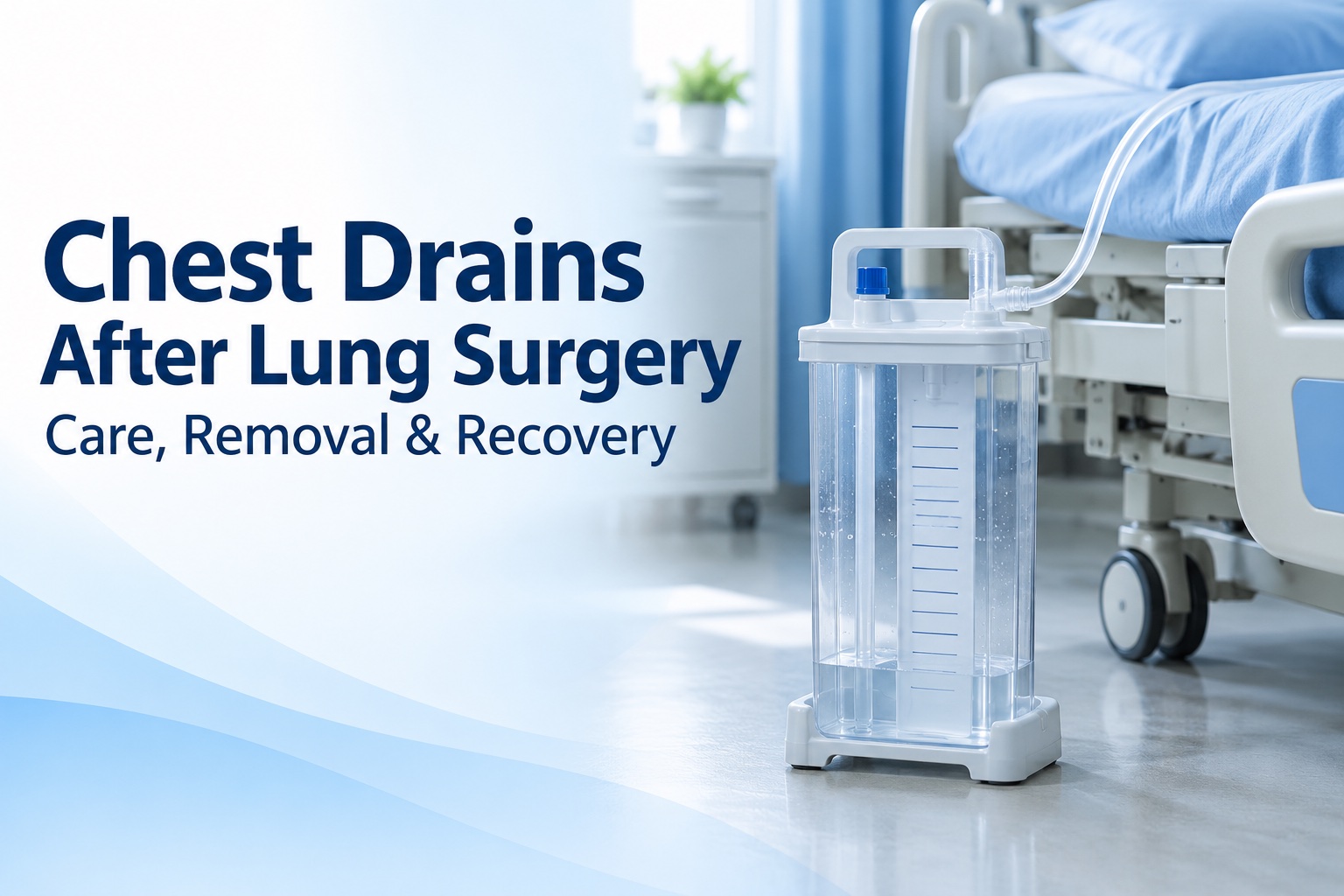
Chest Drain After Lung Surgery: Care, Removal and Recovery
- Dr. Parveen Yadav
- Oct 10, 2026
EBUS Biopsy: What to Expect and How It Helps Stage Lung Cancer
- Dr. Parveen Yadav
- Oct 06, 2026
Related Posts
Lung Function Tests Before Lung Surgery: FEV1, DLCO and Fitness Explained
Understand spirometry, FEV1, DLCO and exercise tests before lung surgery, how results guide planning and what to ask about your breathing reserve.
- Read More
- Oct, 17 2026
Does a Positive PET-CT Always Mean Lung Cancer?
A positive PET-CT does not always mean lung cancer. Learn what FDG uptake means, why inflammation can appear and when EBUS or biopsy may be needed.
- Read More
- Oct, 14 2026
Chest Drain After Lung Surgery: Care, Removal and Recovery
Understand why a chest drain is used after lung surgery, how to move safely with it, what guides removal and which warning signs need urgent help.
- Read More
- Oct, 10 2026
Copyright 2026 © Dr .Parveen Yadav all rights reserved.
Proudly Scaled by Public Media Solution!