


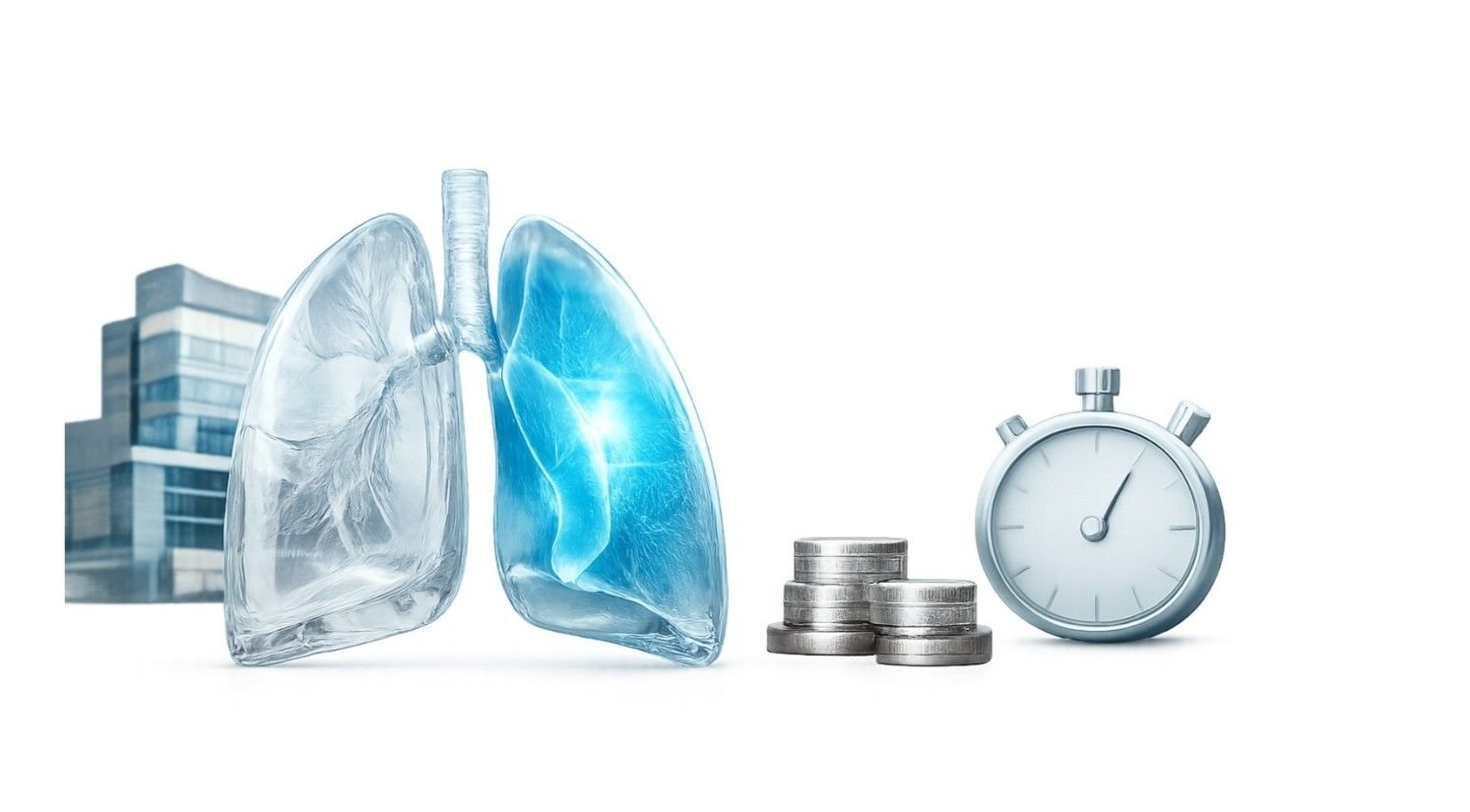
Lung cancer treatment involves a multi-modal strategy of surgery, chemotherapy, radiation, or immunotherapy designed to neutralize malignant cells, restore respiratory function, and significantly improve long-term survival rates through high-precision medical intervention.
Choosing where to receive care is a life-altering decision. For many, the choice isn't just about the "best" doctor; it is about seeing the intersection of immediate access and world-class technology. While Western healthcare systems offer high standards, they often struggle with administrative friction. This creates a global pathway where India, specifically in regions like Gurgaon and Delhi, has become a primary destination for thoracic oncology.
The most immediate driver for global medical travel is the massive cost arbitrage. According to a 2024 report by healthcare analysts, lung cancer treatment in India costs approximately 60% to 80% less than in the United States or the United Kingdom.
In the West, the financial burden often dictates the treatment plan. In India, the lower cost of labor and generic medication allows patients to access premium therapies that would be out of reach elsewhere.
| Treatment Modality | India (Private) | USA | United Kingdom | Australia |
| Lobectomy (Surgery) | $5,000 – $12,000 | $70,000 – $150,000 | $50,000 – $110,000 | $5,000 – $10,000 |
| Chemotherapy (Full Course) | $5,000 – $9,000 | $30,000 – $60,000 | $25,000 – $55,000 | $6,000 – $30,000 |
| Immunotherapy (Per Dose) | $2,000 – $4,500 | $10,000 – $30,000 | $9,000 – $25,000 | $5,000 – $12,000 |
| PET-CT Scan (Staging) | $300 – $600 | $2,500 – $5,000 | $1,500 – $3,000 | $600 – $1,200 |
Most patients only look at the surgery price. They forget "hidden" costs like pre-op staging and post-op ICU monitoring. In India, a PET-CT scan, critical for staging, costs roughly $300. In the US, the same scan can exceed $3,000. This transparency helps families plan without the fear of bankruptcy.
In oncology, time equals tissue. A study from the British Thoracic Society found that even a few weeks of delay can shift a tumor from "curable" to "incurable."
Most experts agree that wait times in public systems like Canada or the UK have reached critical levels. A 2024 study by Compare the Market found that Canadians wait an average of 194 days for elective surgeries. For lung cancer, this delay is unacceptable.
By bypassing the queue, international patients effectively "buy time." Choosing lung cancer treatment in Gurgaon, Delhi, allows for immediate intervention, which is often the most critical factor in five-year survival rates.
Gurgaon and Delhi represent the "Silicon Valley" of Indian healthcare. This region houses a high concentration of JCI and NABH-accredited hospitals. When you seek lung cancer treatment in Gurgaon, Delhi, you are accessing an ecosystem built for high-volume, high-precision care.
The "Single Point of Contact" system in Indian private hospitals is a game-changer. Unlike Western systems, where you must navigate between independent labs, radiologists, and surgeons, Indian hospitals utilize a multidisciplinary team approach. Your case manager coordinates all appointments, meaning you expend more time recovering and less time in waiting rooms.
The pinnacle of lung cancer treatment today is Robotic-Assisted Thoracic Surgery (RATS). Using the Da Vinci Xi platform, surgeons operate with 3D high-definition views and 360-degree instrument rotation.
| Feature | Open Surgery | VATS (Minimally Invasive) | Robotic (RATS) |
| Incision Size | 15 – 25 cm | 3 – 5 cm | 1 – 2 cm |
| Blood Loss | Moderate | Low | Minimal |
| Hospital Stay | 7 – 10 days | 3 – 5 days | 1 – 3 days |
| Recovery Time | Months | Several weeks | Days to weeks |
The Indian government has streamlined the process for international visitors. The Medical Visa (M-Visa) is now a high-priority category.
While India is affordable, we caution against choosing based on price alone. "Value" in oncology includes the quality of the ICU and the experience of the thoracic surgeon. A surgeon who serves 500 lobectomies a year will always have better outcomes than one who performs 50. Always verify JCI or NABH accreditations before booking.
Recovery doesn't end when the surgeon leaves the room. Pulmonary rehabilitation is critical for regaining lung capacity.
Specialized centers in Gurgaon, such as HCAH or Paras Health, offer "Transition Care." These facilities supply:
Lung cancer does not wait for bureaucracy. If you are facing long wait times or prohibitive costs in your home country, the personal healthcare model in India offers a viable, high-quality alternative.
Check back for pricing and wait-time updates each quarter to ensure you have the most current data for your healthcare journey.
Ready to explore your options? If you need a second opinion or a detailed cost estimation for lung cancer treatment in Gurgaon, Delhi, contact our international patient desk today. We provide transparent, end-to-end support to ensure your focus remains entirely on healing.
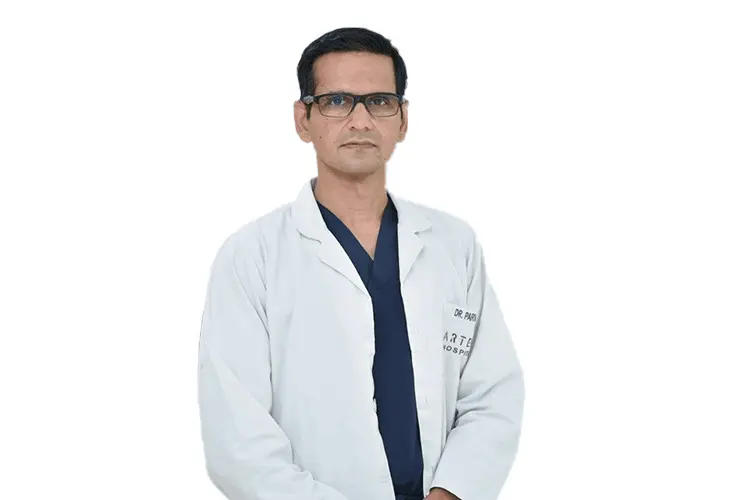
18+ Yrs Exp | 5,700+ Thoracic & Robotic Cancer Surgeries
Dr. Parveen Yadav is a Director and Senior Consultant in Thoracic and Surgical Oncology, specializing in minimally invasive and robotic lung and esophageal surgeries, with advanced training from AIIMS and Tata Memorial Hospital.
View Full Profile
Robotic vs VATS lobectomy? An expert guide to choosing the best lung cancer treatment in Gurgaon & Delhi. Learn the pros, cons, and key differences.
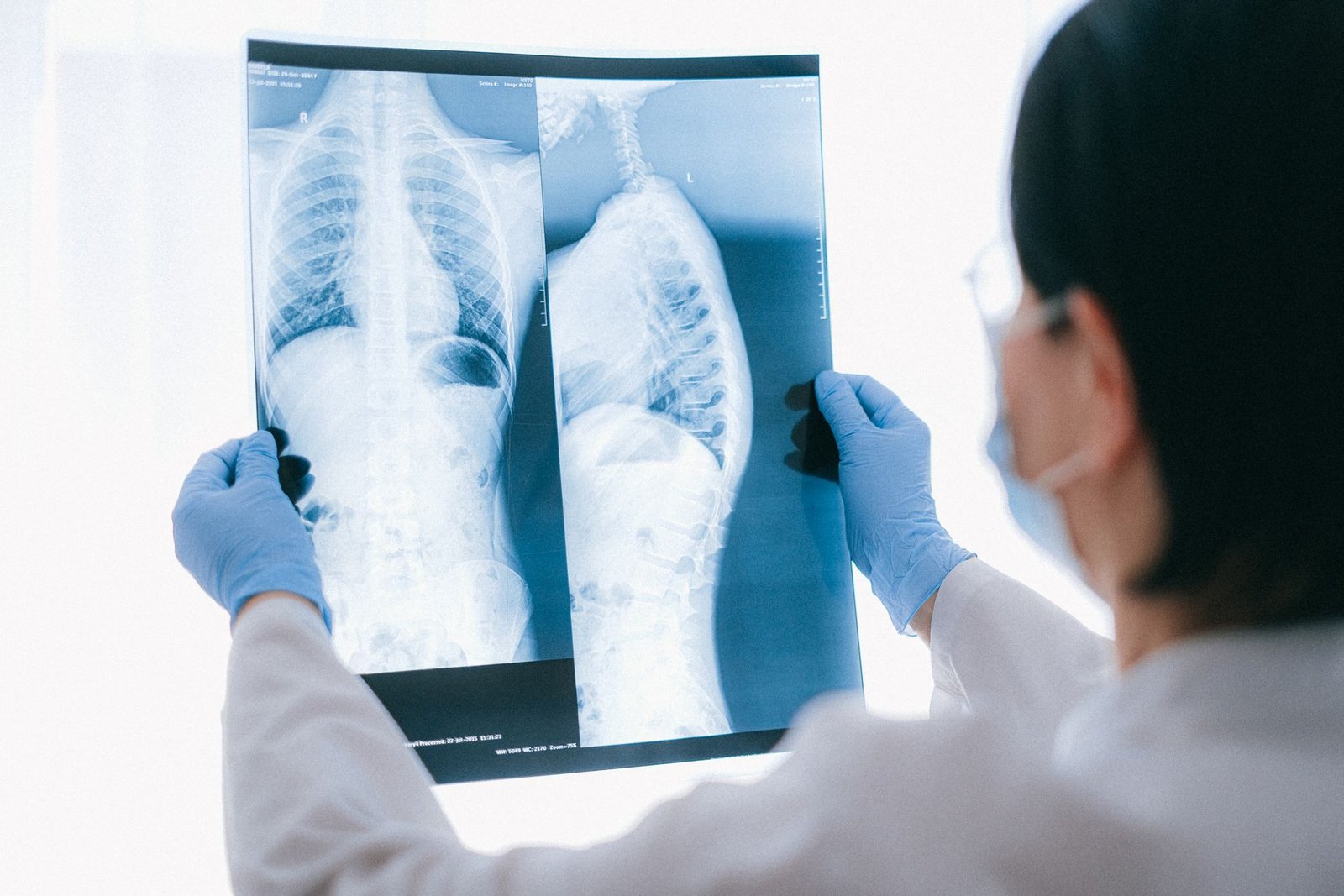
A lung cancer diagnosis is overwhelming. A second opinion can confirm your path, find better treatments, and give you critical peace of mind. Learn why
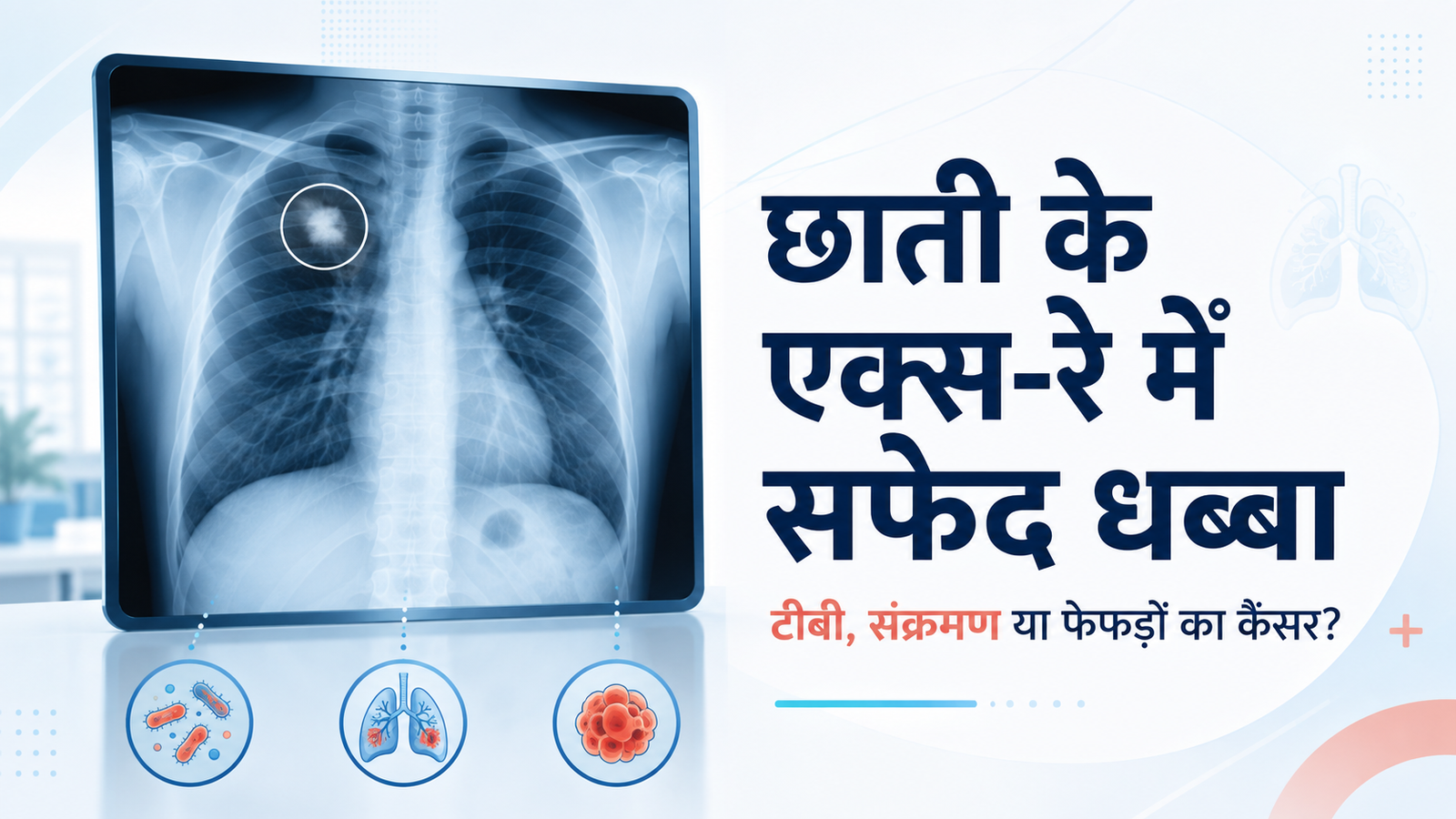
छाती के X-Ray में सफेद धब्बा दिखने का मतलब हमेशा कैंसर नहीं होता। जानें इसके संभावित कारण, टीबी और लंग कैंसर में अंतर तथा जरूरी जांच।
Copyright 2026 © Dr .Parveen Yadav all rights reserved.
Proudly Scaled by Public Media Solution!